
Stock Markets January 27, 2026

Lyft readies teen rides option with built-in safety and parental controls

New feature would match minors with top-rated drivers and enable PIN, audio recording and live tracking for parents

By Caleb Monroe LYFT UBER
Lyft readies teen rides option with built-in safety and parental controls
LYFT UBER

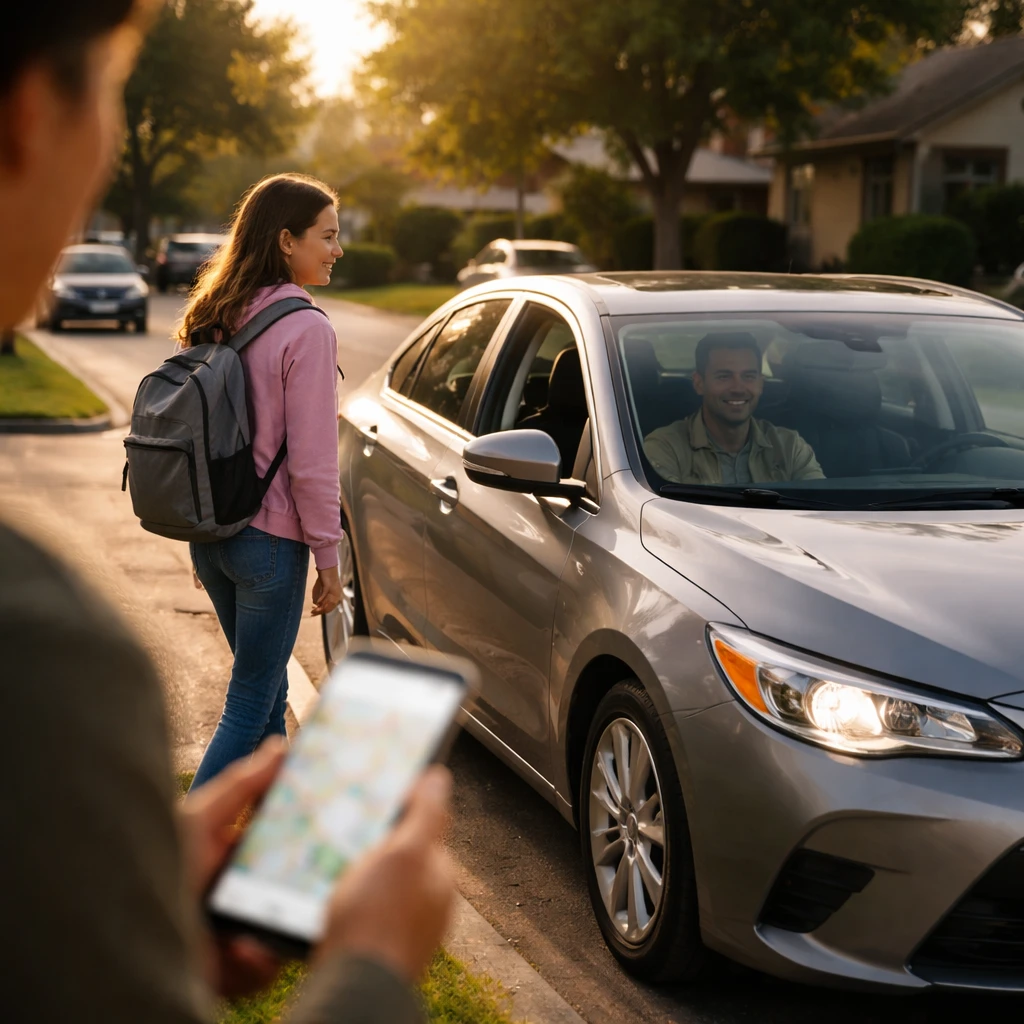
Lyft is building a Teen rides feature that will allow teenagers to use the platform by pairing them with highly rated drivers and providing parents with real-time tracking, pickup and drop-off notifications, and options to contact drivers. The capability, spotted in the latest Lyft app code, marks a policy reversal for Lyft, which previously barred minors from riding without an adult. Uber began offering a similar 13-17 program in 2023.

Key Points

  • Lyft is developing a Teen rides feature that links minors with highly rated drivers and includes multiple safety and parental oversight tools.
  • Default protections described include PIN authentication and automated prompts to begin audio recording during trips.
  • Parents would receive live tracking links and pickup/drop-off notifications and could contact drivers directly; the change reverses Lyft's prior restriction on unaccompanied minors and follows Uber's 2023 rollout of a 13-17 program.
  • Sectors impacted include ridesharing, consumer mobility services, and technology platforms that manage user safety and parental controls.

Lyft Inc. is working on a new offering that would let teenagers use its rideshare service, according to details found in the latest release of the company's smartphone application. The planned Teen feature is designed to connect young passengers with drivers rated highly on the platform and to add multiple features intended to enhance safety and transparency for parents.

Among the protections Lyft plans to enable by default is PIN authentication, which requires riders to enter a code to confirm they are entering the correct vehicle. In addition, riders will be prompted to start audio recording automatically during trips. These measures are intended to provide an auditable record and an extra verification layer during the ride.

Parents would be given a link to follow their teen's trip in real time and to receive updates when the vehicle arrives for pickup and when the teen is dropped off. The parent-facing controls would also include the option to communicate directly with the driver if needed, offering more direct oversight throughout the journey.

In a statement provided to Bloomberg, Lyft CEO David Risher said the feature will match teens with drivers who meet the "highest standards" on the platform and will provide "transparency for parents every step of the way." The feature itself was discovered in Lyft's app code by Bloomberg News.

The initiative represents a notable shift in Lyft's policy. Until now, Lyft's rules prohibited minors from using its service unless accompanied by an adult. By contrast, Uber Technologies Inc. began permitting users aged 13 to 17 to access its rideshare and delivery platform in 2023.

The proposed Teen program also acknowledges a common behavior among parents: having rideshare vehicles ordered on their own accounts to transport children to and from activities such as after-school programs. The new feature appears to formalize that practice by enabling direct teen access under parent-supervised conditions.

Details found in the app code indicate Lyft is actively developing the functionality, but the discovery does not by itself confirm a public rollout timeline or availability across markets. The company has communicated the intended design and safety elements but the code-based finding is the primary source of information about the feature at this stage.

Risks

  • The feature was identified in app code, which means public availability, market rollout timing, and geographic coverage remain unclear - affecting expectations in the rideshare and tech sectors.
  • The policy shift from prohibiting unaccompanied minors to permitting teen riders introduces implementation and operational questions around enforcement of safety measures and driver standards - an issue for platform operations and consumer trust.
  • Requiring default audio recording and PIN authentication raises potential privacy and acceptance considerations among users and parents that could influence adoption rates in consumer mobility markets.

More from Stock Markets

Australian Shares Finish Higher as Gold, IT and Mining Stocks Lead Gains Feb 3, 2026 Global Consultancies Adopt Riskier Workarounds in China Amid Sanctions and New Data Rules Feb 3, 2026 Indian equities rally after U.S. agrees tariff reductions in trade accord Feb 2, 2026 SiTime Nears Acquisition of Renesas Timing Business in Potential $3 Billion Deal Feb 2, 2026 Tesla Debuts New All-Wheel Drive Model Y Trim in U.S.; Premium Option Also Launched Feb 2, 2026