
Stock Markets March 25, 2026

Lyft launches 60-day fuel relief program for U.S. drivers as gasoline costs surge

Temporary cashback and card-based savings aim to offset rising fuel expenses for ride-hailing drivers

By Priya Menon LYFT
Lyft launches 60-day fuel relief program for U.S. drivers as gasoline costs surge
LYFT

Lyft announced a 60-day U.S. program starting March 27 to offer drivers additional cash-back and fuel discounts via the Lyft Direct debit card amid a sharp increase in national gasoline prices. The initiative provides incremental rewards for top- and mid-tier drivers and, when combined with partner offers, could reduce fuel costs by up to 94 cents per gallon for the highest-tier drivers based on prevailing national averages.

Key Points

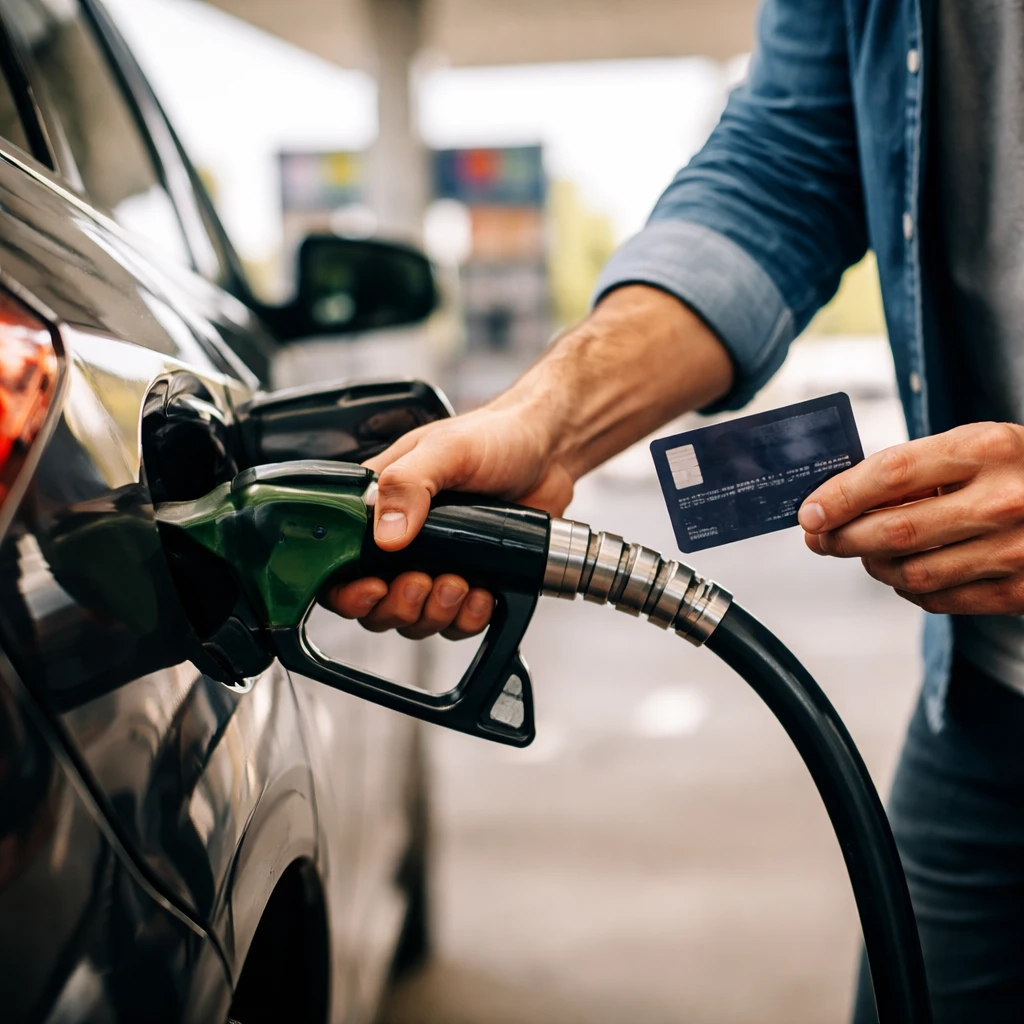
  • Lyft is launching a 60-day driver-relief program in the U.S. from March 27 through May 26 to provide cash-back and fuel savings for drivers using the Lyft Direct debit card at eligible gas stations.
  • Top-performing drivers receive an additional 2% cash back on fuel purchases and mid-level drivers receive an extra 1%, on top of existing rewards that range from 1% to 10% based on driver status.
  • Combined savings, including partner offers, could reach as much as 94 cents per gallon for top-tier drivers using the Lyft Direct card, based on a national average fuel price of $3.97 per gallon.

Lyft said it will introduce a temporary driver-relief program in the United States to help offset rising gasoline costs that are eroding earnings for gig workers. The company framed the effort as a short-term measure intended to provide immediate, card-based savings to drivers facing higher fuel bills.

The 60-day initiative runs from March 27 through May 26 and is structured around cash-back incentives tied to the Lyft Direct debit card when used at eligible gas stations. Under the program, drivers in the top performance category will receive an extra 2% cash back on fuel purchases, while mid-level drivers will be eligible for an additional 1% cash back. Those bonuses are applied on top of Lyft's existing rewards scale, which ranges from 1% to 10% depending on a driver's status.

Lyft quantified the potential benefit for drivers by referencing current national average fuel prices. Based on an average price of $3.97 per gallon, the company stated that combined savings - which include incentives from Lyft partners - could amount to as much as 94 cents per gallon for top-tier drivers. The company described the program as temporary relief timed to address a recent and sharp rise in fuel costs.

According to Lyft's announcement, fuel prices have climbed in recent weeks, with the national average jumping more than 30% and sitting near $4 per gallon. The company attributed the surge in gasoline costs to energy supply disruptions linked to the ongoing U.S.-Israeli conflict with Iran, noting that those disruptions are pressuring gig workers' take-home pay.

Other gig-economy platforms have taken similar steps. Food delivery platform DoorDash said it would launch a comparable program that will run through April 26.


Context and implications

The relief program is explicitly temporary and targeted at reducing immediate out-of-pocket fuel expenses for drivers who use the Lyft Direct card. The structure ties rewards to driver performance tiers and existing rewards levels, so the per-driver benefit will vary depending on status and partner offers.

Lyft's move addresses a direct cost pressure on gig workers without altering base pay or long-term compensation structures.

Risks

  • The program is temporary - its 60-day duration means any relief for drivers is short-term and does not guarantee longer-term mitigation of fuel cost pressures. This impacts gig workers and consumer transportation services.
  • Fuel prices have recently surged more than 30% and remain near $4 per gallon, reflecting energy supply disruptions cited by Lyft - continued volatility in fuel markets could further strain driver earnings and operating costs for ride-hailing services.
  • The size of savings varies by driver tier and the availability of partner offers, so not all drivers will receive the same level of benefit; variability in benefits affects income stability for gig workers.

More from Stock Markets

Broadcom Secures Multi-Year TPU and Networking Supply Deals with Google; Shares Rise After-Hours Apr 6, 2026 Mexican Equities Slip as Major Sectors Drag Index Down 1.03% Apr 6, 2026 Colombian equities finish higher as COLCAP reaches one-month peak Apr 6, 2026 MOEX Russia Index Climbs 0.91% as Mining, Oil & Gas Lead Gains Apr 6, 2026 Schwab Clients Pull Back as Iran Conflict Weighs on Trading Activity Apr 6, 2026