
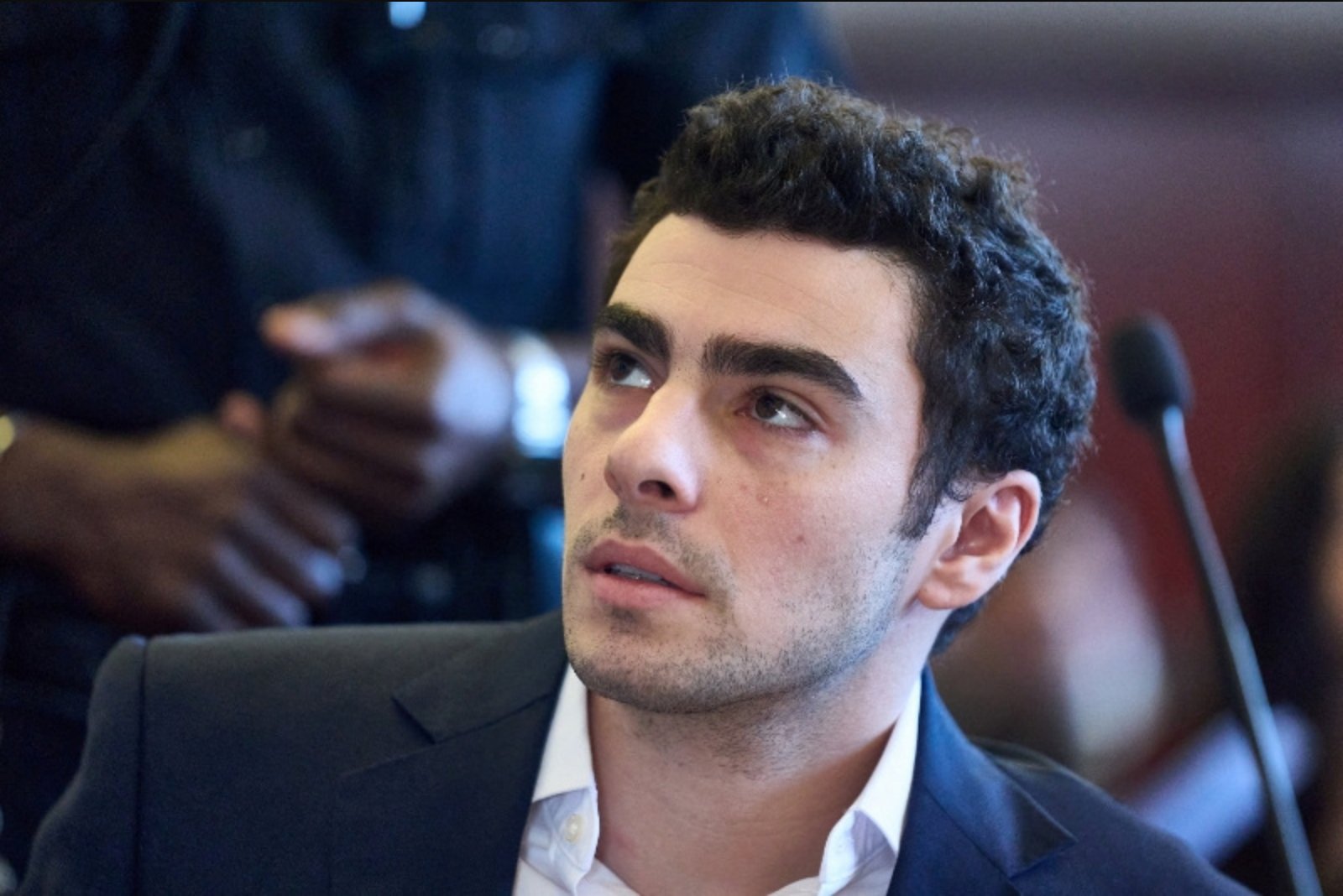
A New York court is scheduled to rule on Monday about the admissibility of evidence seized from a suspect's backpack in the case accusing him of killing a top health insurance executive on a Manhattan sidewalk last December.
The defendant, 28-year-old Luigi Mangione, is charged in state court with the fatal shooting of UnitedHealthcare insurance unit CEO Brian Thompson. Mangione has entered a not guilty plea to the charges. His state trial is set to begin on September 8 and is expected to last about six weeks.
Justice Gregory Carro will consider a motion by Mangione asking the court to suppress several pieces of evidence allegedly recovered from a backpack at the time of his arrest. The items in dispute include a pistol, a silencer and journal entries, as well as the defendant's initial statements to law enforcement.
Defense lawyers contend that the backpack search conducted by police in Pennsylvania was unlawful because it lacked a warrant, and that officers questioned Mangione without first giving him the required warnings about his legal rights. The defense seeks to bar both the physical items and the statements from being used against their client at trial.
Prosecutors deny the defense assertions, arguing that officers who encountered Mangione at a McDonald’s in Altoona, Pennsylvania, acted in accordance with legal protocols during the search and questioning. They maintain the evidence was obtained lawfully.
While the backpack contains what prosecutors describe as important material, they say it is not the only basis for their case. Authorities say they also have DNA and fingerprint evidence, a cell phone linked to Mangione, and hundreds of hours of surveillance footage that place him at or near the scene, providing multiple lines of evidence to support the charges.
The December killing of Thompson, who was serving as CEO of UnitedHealth Group’s insurance unit, occurred in the early morning outside a hotel where he was staying for an investor conference. Graphic video of the shooting and a subsequent five-day manhunt for a suspect drew sustained media attention and widespread public reaction.
Public officials denounced the killing. The case also prompted intense public discussion because it resonated with broader anger some Americans feel toward health insurance industry practices and rising costs. The coverage of the incident on social media and in traditional outlets drew large audiences; supporters of the defendant have attended his court appearances in notable numbers.
Separately from the state murder case, Mangione faces a federal stalking case scheduled for trial in November. Earlier in the proceedings, a judge in January dismissed capital murder and weapons enhancement charges that could have exposed Mangione to the death penalty, a ruling the government had said would have been applicable under federal law even though New York state does not allow capital punishment.
Background and next steps
The court’s ruling on Monday will determine whether the physical items and statements tied to the backpack will be part of the prosecution’s evidence at the September trial. The outcome could affect how prosecutors present their case, though authorities say other forensic and documentary material remains available to them.