
Stock Markets January 29, 2026

Judge Rejects Class Claims Over Revival of ‘Limited Edition’ Dodge Durangos

Federal judge finds no evidence automaker intended to break promise after it resumed Hellcat production for 2023

By Sofia Navarro
Judge Rejects Class Claims Over Revival of ‘Limited Edition’ Dodge Durangos

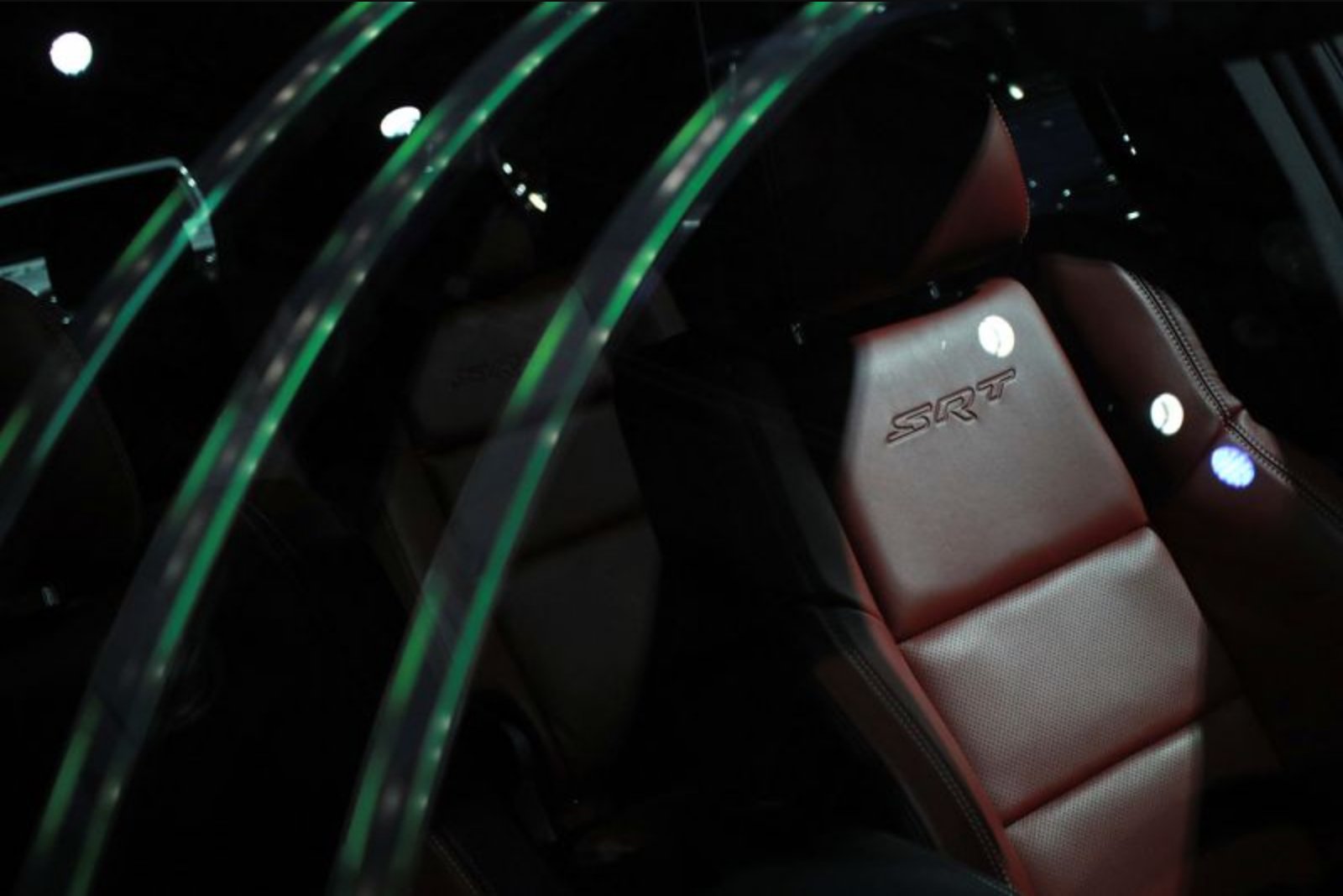
A federal judge in Delaware dismissed a proposed class action by owners of 2021 Dodge Durango SRT Hellcats who alleged consumer fraud and false advertising after Dodge resumed production of the model for 2023. The plaintiffs argued that Fiat Chrysler, then a unit of Stellantis, marketed the 2021 run as a 3,000-unit ‘‘limited edition’’ and that subsequent production reduced their vehicles' exclusivity and resale value. The judge found no proof of an intent to renege and determined the statements at issue did not create an express warranty or violate state consumer fraud laws where future conduct was accurately described when made.

Key Points

  • A federal judge in Wilmington, Delaware dismissed a proposed class action by owners of 2021 Dodge Durango SRT Hellcats against Fiat Chrysler, a unit of Stellantis.
  • Plaintiffs said they paid premiums up to $114,225 after being told production would end at 3,000 units for 2021; they claimed Dodge's resumption of Hellcat production in 2023 reduced exclusivity and resale value.
  • The judge found no proof of intent to renege, determined the statements did not constitute an express warranty, and ruled the automaker did not violate state consumer fraud laws where the alleged misrepresentation concerned intended future conduct that was true when made.

Owners of 2021 Dodge Durango SRT Hellcats who sought class-action relief claiming consumer fraud and false advertising suffered a legal setback on Thursday when a federal judge in Wilmington, Delaware rejected their claims against the parent of Dodge.

The plaintiffs alleged they paid premium prices for the 2021 Hellcats based on representations by Fiat Chrysler, then part of Stellantis, that production would stop after 3,000 units. In their complaint they said some buyers paid as much as $114,225 for their vehicles and that Dodge's decision to resume Hellcat production for 2023 diminished the SUVs' exclusivity and resale value. The owners described feeling "shock and anger" when the model was revived two years later.

U.S. District Judge Jennifer Hall concluded the plaintiffs did not provide evidence that Fiat Chrysler intended to renege on its production statements, nor that those statements amounted to an express warranty. The court also ruled that the automaker did not run afoul of state consumer fraud statutes in circumstances where the asserted "misrepresentation" concerned intended future actions and was accurate at the time it was made.

The complaint alleged violations of consumer protection laws in seven states: California, Florida, Illinois, New Jersey, New York, Texas and Virginia. The plaintiffs had brought the case as a proposed class action on behalf of owners of the 2021 Dodge Durango SRT Hellcat.

According to court filings cited in the case, buyers paid elevated prices for the 2021 Hellcats based on the promise of limited production. The plaintiffs argued the later production undermined the basis for those premium prices by reducing rarity and thereby harming resale value.

After the judge's ruling, neither lawyers for the plaintiffs nor attorneys for Fiat Chrysler immediately responded to requests for comment.


Context and legal reasoning

The court's decision turned on the absence of proof of an intent to break production promises and on the distinction between statements about future conduct that are true when made and actionable misrepresentations under state consumer fraud laws. Judge Hall found that the plaintiffs did not meet the burden required to show Fiat Chrysler had formed an intent to renege or that the marketing statements created express contractual warranties.


Implications

The ruling resolves this particular challenge to Dodge's handling of Hellcat production for now. The complaint covered multiple state statutes and rested on allegations about marketing representations, premium pricing, and impacts on resale value. The court's finding emphasizes the legal hurdles plaintiffs may face when alleging consumer fraud tied to promises about intended future corporate conduct.

Risks

  • Owners who paid premiums for marketed ‘‘limited edition’’ vehicles may face diminished resale value if manufacturers later resume production, a risk highlighted by the plaintiffs' allegations - impacts auto resale and collector markets.
  • Proving intent to renege on promised future conduct can be difficult in consumer fraud claims, creating legal uncertainty for plaintiffs pursuing similar suits - impacts legal strategy for consumer litigation in the automotive sector.
  • Multi-state claims invoking different state consumer protection laws introduce complexity and variability in litigation outcomes, as evidenced by allegations covering California, Florida, Illinois, New Jersey, New York, Texas and Virginia - impacts litigants and automakers operating across jurisdictions.

More from Stock Markets

Moody's Raises Twilio to Ba1, Cites Growth Trajectory and Conservative Financial Discipline Feb 2, 2026 Moody's Raises OUTFRONT Media Credit Rating to Ba3, Citing Lower Leverage and Digital Push Feb 2, 2026 Moody's Moves Mister Car Wash Outlook to Positive as Credit Metrics Improve Feb 2, 2026 S&P Elevates SM Energy to BB After Civitas Deal, Cites Bigger Footprint and Diversification Feb 2, 2026 NXP Sees Strong Start to Quarter, Cites Automotive Strength and Stable Industrial Demand Feb 2, 2026