
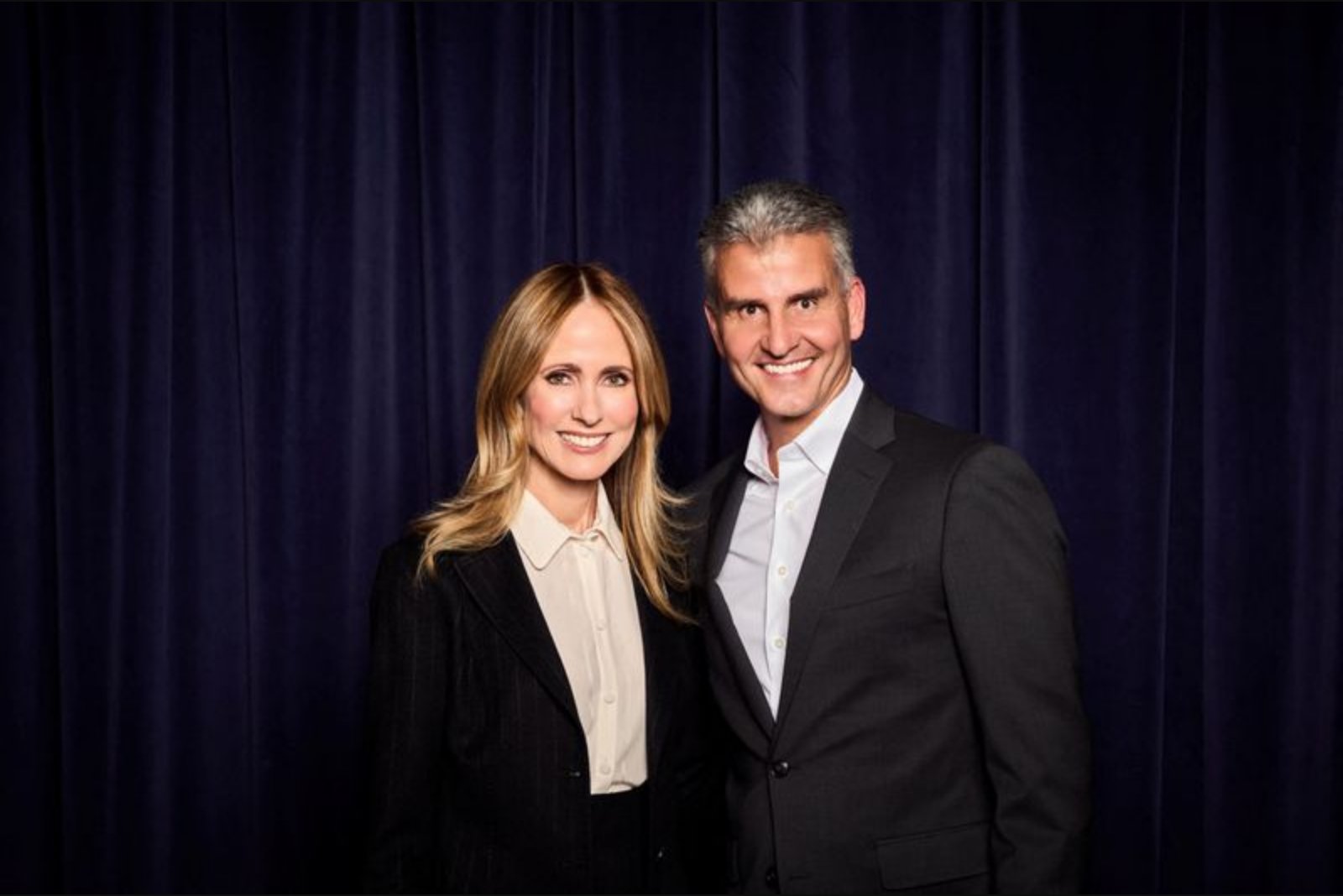
Josh D’Amaro arrives at the top of the Walt Disney Company with a reputation built on visibility and visitor-facing leadership. The 54-year-old, long associated with the company’s parks operations, is widely recognized by guests and employees alike - a figure who can barely walk a short stretch of Main Street U.S.A. without being stopped for photos and greetings. That proximity to customers and staff is one facet of the skill set D’Amaro brings to the CEO role; the larger challenge will be steering a media and entertainment conglomerate through a complex set of strategic and financial headwinds.
On a routine afternoon at Disneyland, D’Amaro drew the attention one expects for an executive known to park regulars: guests asked for selfies after recognizing him from hotel welcome videos, student groups sought a group photograph and longtime park staff called out friendly greetings. Those interactions underline a central truth behind his elevation - D’Amaro is a recognizable, personable leader whose profile is intimately connected to the Disney parks experience.
Leadership context
On Tuesday, D’Amaro became the ninth person to serve as CEO of Walt Disney in the company’s 100-year history. His appointment follows a turbulent five-year period for the firm that included a fraught leadership change in 2020. The company’s previous CEO, who like D’Amaro rose from the parks division after nearly three decades at the company, served less than three years.
While D’Amaro’s professional background on paper resembles his immediate predecessor, observers and colleagues note a different style. Although he has taken on certain sartorial nods associated with his predecessor - an affinity for cardigans linked to the prior CEO - his manner is frequently described as affable in a way more comparable to the executive he replaces.
Why the parks matter
Disney’s decision to elevate a parks veteran again reflects the rising importance of that business within the corporation. The parks division operates 12 theme parks, 57 resort hotels around the world and a luxury cruise line fleet, and it is by far the company’s most lucrative business unit. For the quarter ending in December, the parks generated an operating profit of $3.3 billion - more than 70% of Disney’s total operating profit in that period.
D’Amaro played a central role in initiatives that seek to expand that revenue base. He had responsibility for a planned $60-billion expansion of parks and cruise operations and has been involved in strategic work for Disney’s first resort in the Middle East, a planned property in Abu Dhabi. He also helped oversee a $1.5 billion investment in Epic Games - the studio behind Fortnite - intended to broaden fan experiences across interactive media. "We envision this as a world or a universe that I think can be important not only to (the) game space, but to the Walt Disney Company," D’Amaro said in a 2024 interview, describing the potential interplay between gaming and the company’s intellectual property.
Career and internal standing
A Massachusetts native and Georgetown University alumnus, D’Amaro joined Disney in 1998 and advanced through roles in marketing, creative development and operational leadership over nearly three decades with the firm. His prior titles have included chief financial officer of Disney Consumer Products and president of the Disneyland and Walt Disney World resorts.
He has long framed his work through the lens of personal experience. On the day he was named president of Disneyland Resort in 2018, an outgoing executive arranged a simple lunch of grilled cheese on the deck of Walt Disney’s apartment above the Main Street U.S.A. fire station. D’Amaro said then that he felt the "heavy awe of the moment and the responsibility" of carrying on that legacy.
In 2020, D’Amaro succeeded the previous chief executive as chairman of the company’s parks and consumer products businesses amid the disruption of the COVID-19 pandemic. The worldwide closures forced by the pandemic led to widespread park shutdowns and workforce reductions; D’Amaro used the downtime to advance projects such as the World of Frozen at Hong Kong Disneyland and Fantasy Springs at Tokyo DisneySea.
Strategic strengths and missteps
Colleagues and former employees describe D’Amaro as intelligent, engaged and an effective communicator, and they point to his deep passion for the company. "Disney runs through his blood," said a former Imagineer, using the internal term for Disney’s theme park designers.
Yet his record includes contentious decisions. In 2021 he supported a proposal to relocate roughly 2,000 California-based employees - including many theme park Imagineers - to central Florida to capture tax incentives. That plan was later reversed by the board after a legal confrontation with Florida political leadership.
Ticket price increases implemented under park leadership have also drawn criticism from price-sensitive consumers. And competitive pressures have intensified: Comcast’s NBCUniversal opened a new $7-billion theme park, Universal Epic Universe, in close proximity to Walt Disney World, increasing local competition for domestic visitors. Park attendance dynamics have been affected by a drop in international visitors to Disney’s U.S. parks.
Corporate challenges beyond the parks
Despite the parks’ profitability, D’Amaro’s experience is concentrated in live experiences and consumer products. He has less operational background running television and cable networks, streaming services or studio movie production - areas where the company faces structural challenges. The decline of traditional television revenues, rising production costs and waning box office performance for some of Disney’s marquee franchises are explicit pressure points.
The company’s theatrical performance has been uneven, with diminished box office returns for entries in the Star Wars and Marvel franchises mentioned as areas of concern. Shares of the company have fallen by approximately 40% over a five-year period, reflecting investor unease about the company’s broader media economics in addition to the ups and downs of the parks business.
Hollywood itself is undergoing creative and technological change, and the industry’s business landscape has been disrupted by debates around new production tools. At the same time, competitive dynamics among streaming platforms and studio groups remain unsettled, with consolidation and rivalry reshaping strategic choices for content owners and distributors.
Outlook and priorities
D’Amaro has repeatedly articulated a desire to recreate the sense of wonder that he felt as a child on his first Disneyland visit, when his father told him, "You’re going to feel like you’re flying." That formative experience, he says, shapes his view of investment priorities: to build attractions and offerings that leave visitors in disbelief at the quality of the experience. "We’re thinking about these investments," he said, "making sure that the next generation is going to take in something and say, 'I can’t believe that experience.'"
As chief executive, D’Amaro will need to balance the heavy profitability of the parks business with the operational demands of running television networks, streaming services and studio production. His immediate task will be to translate the parks’ strong financial performance and consumer loyalty into stability across Disney’s broader media operations while navigating cost pressures, franchise fatigue and intensifying competitive forces.
Summary
Josh D’Amaro’s appointment as Disney CEO places a parks-savvy, highly visible leader at the helm of a company whose parks are producing the majority of operating profit but whose media businesses face structural challenges. His strengths in guest-facing operations and strategic park investments are clear; the scope of difficulties he must confront across television, streaming and film is substantial and explicitly cited by company observers.