
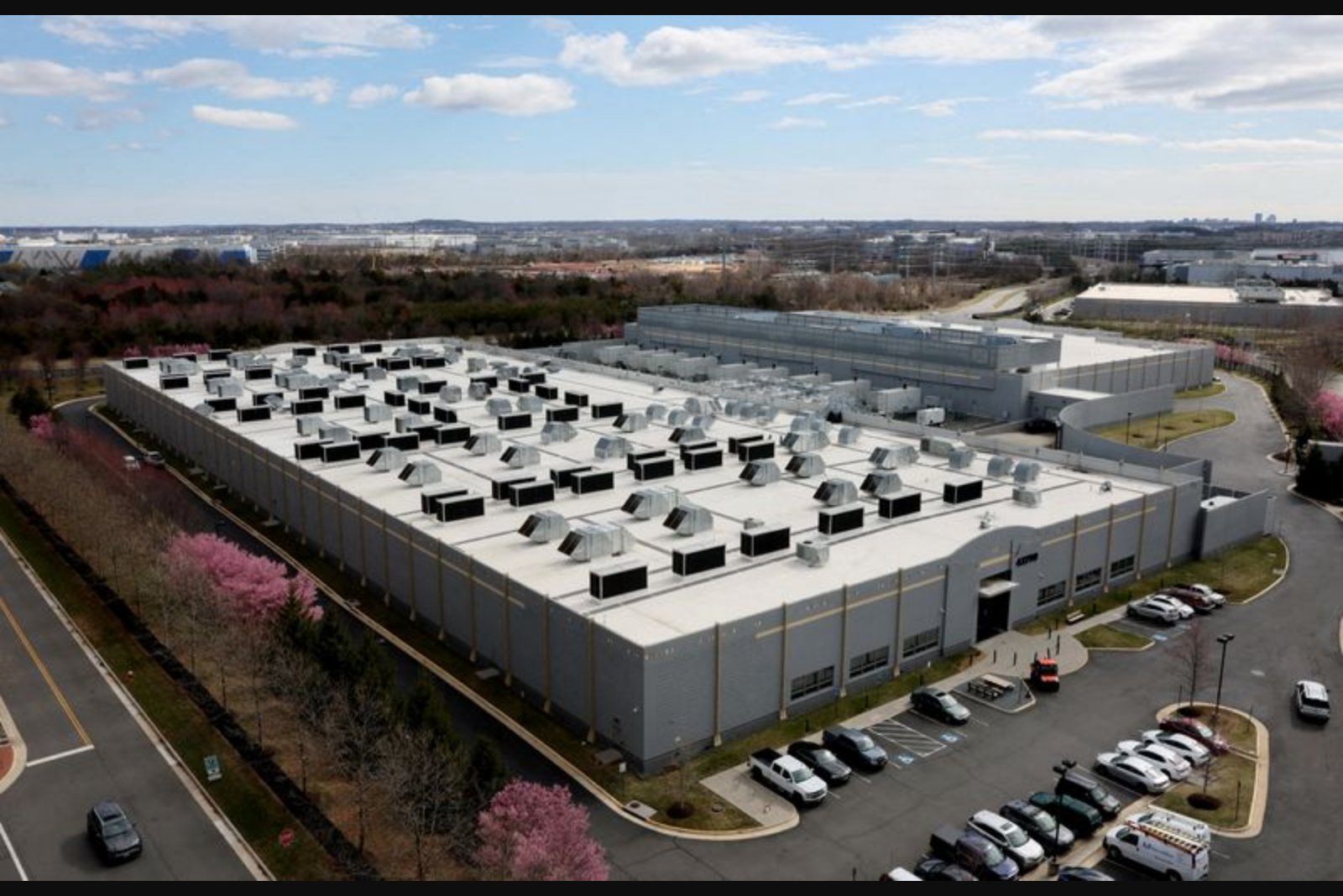
Shareholders are intensifying scrutiny of large cloud operators' environmental disclosures as some multibillion-dollar data center projects have been halted after community resistance. Investors want clearer, site-level reporting on water usage and plans to protect local supplies as Amazon, Microsoft, Alphabet's Google and other technology firms expand their computing capacity.
Trillium Asset Management, a Boston-based investment firm managing more than $4 billion in assets, filed a resolution with Alphabet in December requesting detailed information on how the company intends to meet its existing climate targets amid surging data center energy needs, Andrea Ranger, director of shareholder advocacy at Trillium, said in an interview. Alphabet pledged in 2020 to halve its emissions and rely on carbon-free energy by 2030. Trillium said Alphabet's emissions instead rose 51 percent, and that investors lack sufficient clarity on the path to achieving the stated goals.
Last year, a similar Trillium resolution received support from nearly a quarter of independent shareholders, indicating growing investor willingness to press for stronger accountability. Green Century Capital Management is also engaged in the shareholder advocacy landscape - its shareholder advocate Giovanna Eichner said the group is in talks with Nvidia about a potential resolution intended to ensure short-term advances in artificial intelligence do not create long-term climate or financial risks, though she declined to provide additional details.
Water consumption and reporting gaps
Investors point to a need for more granular data on water usage as a core concern. Research from Mordor Intelligence indicates North American data centers consumed nearly 1 trillion liters of water in 2025 - a volume roughly equal to the annual demand of New York City. Though major cloud providers have introduced closed-loop cooling systems that use substantially less water, the way companies report water use varies and often lacks site-specific detail.
Meta's 2025 environmental report, for example, presents water usage for properties it owns but omits figures for leased facilities and those under construction. Meta reported total water consumption rising 51 percent - from 3,726 megaliters in 2020 to 5,637 megaliters in 2024 - roughly enough to supply over 13,000 homes for a year.
Google's 2025 environmental report discloses water data for sites it owns and leases but excludes facilities operated by third parties. Amazon and Microsoft both publish total water usage in their 2025 sustainability disclosures but do not provide breakdowns by individual site.
Amazon's Josh Weissman, director of infra capacity delivery, said the company is increasingly releasing site-specific water consumption data where it operates. An Amazon spokesperson added the company aims to be a good neighbor, investing in efficiency measures, bringing new energy online and reducing its water footprint.
Investors emphasize the importance of site-level disclosure because it allows for more accurate assessment of operational risks and local impacts. They also want more information on corporate efforts to replenish water supplies and engage with affected communities.
Community engagement and industry response
Calvert Research and Management's lead technology analyst Jason Qi said that, to date, disclosures have not been adequate to show how data center water consumption affects local communities. A Microsoft spokesperson responded that environmental sustainability is a core value for the company and that it is proactively working on sustainability challenges and accelerating long-term solutions. A Google spokesperson declined to comment, and Meta did not respond to a request for comment.
Dan Diorio, vice-president of the Data Center Coalition - an industry lobby group that counts the major cloud firms among its members - said improving engagement with communities has become a top priority over the past year. Diorio noted that being transparent about energy and water use so residents understand that a project will not overstress local resources and will protect them as rate payers is crucial.
With annual shareholder meetings approaching, investors are expected to continue pushing for more granular environmental reporting and clearer plans that reconcile rising compute demand with climate commitments and community resource protection.