
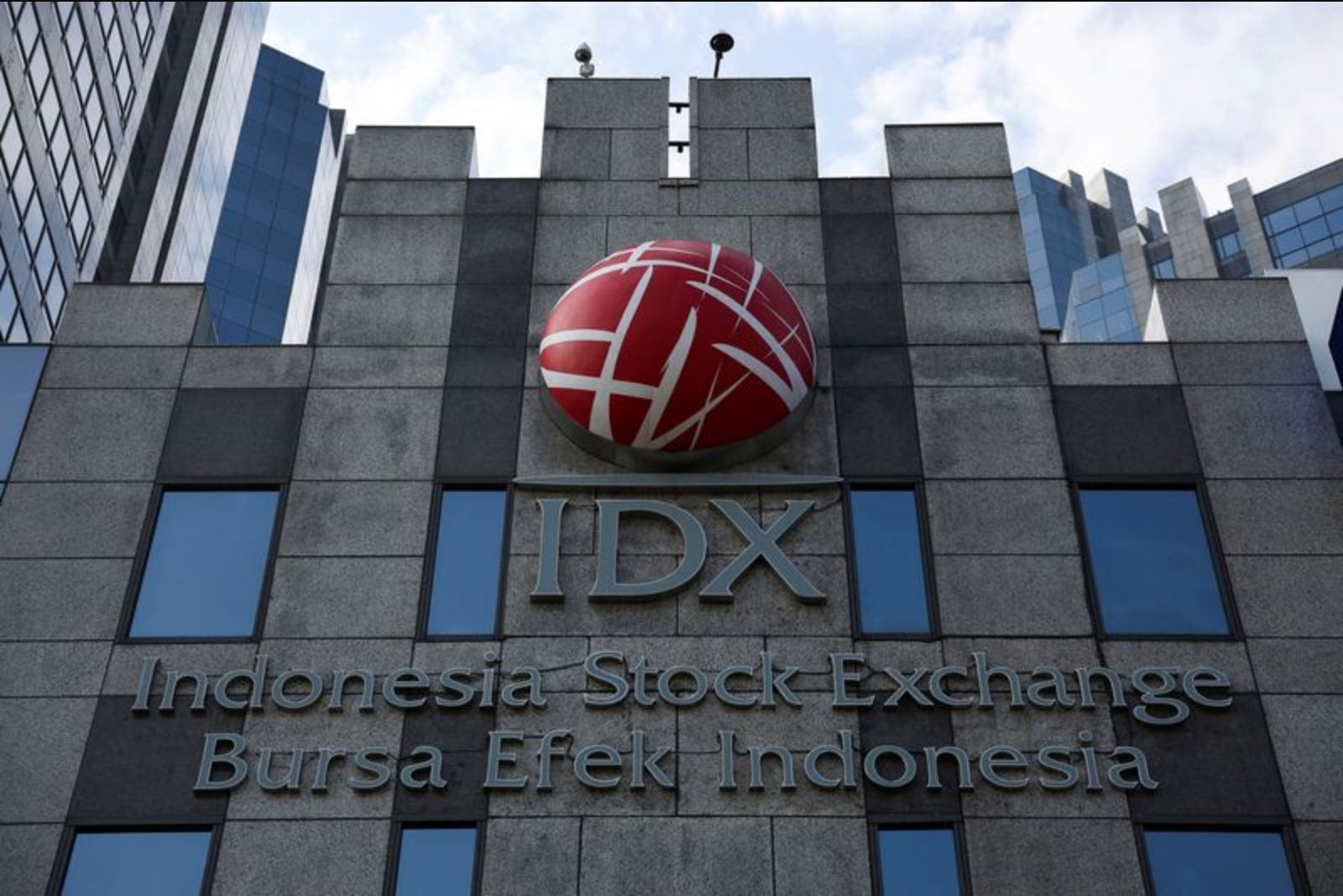
Indonesia's equity market faces a cautious opening after a warning from index compiler MSCI sparked a sharp wave of selling that wiped more than $80 billion from market capitalisation over two days. The benchmark Jakarta Composite Index plunged by in excess of 8% across Wednesday and Thursday - its largest two-day drop since April - while the rupiah, which hit a record low of 16,985 last week, remained close to those lows.
MSCI flagged concerns about ownership structures and the transparency of trading in Indonesian stocks and warned the market could be downgraded to frontier status if those issues are not addressed. That notice appears to have been a catalyst for foreign investors to step back, compounding existing worries about policy direction and state involvement in financial markets.
Pressure on foreign capital has been linked in part to market unease about President Prabowo Subianto's fiscal trajectory and an increase in the state's footprint in financial markets. Investor confidence was also shaken by the appointment this month of Thomas Djiwandono to the central bank - a family appointment - following the abrupt dismissal last year of Finance Minister Sri Mulyani Indrawati.
In response to MSCI's concerns, regulators on Thursday unveiled a package of measures aimed at improving transparency and public float. Among the measures is a plan to double the free-float requirement on listed firms to 15%. Regulators also said they will examine affiliations of shareholders holding under 5% stakes in companies, steps intended to clarify beneficial ownership and improve market accessibility for investors.
Regulatory officials characterised their dialogue with MSCI as positive and said they were awaiting MSCI's reaction to the proposed remedial steps. The authorities expressed the hope that the new measures could be rolled out promptly and that MSCI's outstanding issues could be cleared by March.
"Policymakers want to fix this," Paul Dmitriev, senior analyst and co-portfolio manager at Global X ETFs, said. "The government has every incentive to fix these issues as systemic outflows would be substantial and could materially impact the market."
Exchange data showed foreign investors net sold around $645 million of Indonesian shares during the two-day rout. For context, foreigners had sold about $1 billion worth of Indonesian equities in 2025.
Sentiment among market participants has shown some easing after the regulatory response, but fragility remains. While officials push for quick implementation of their proposals and for a resolution with MSCI by March, the pace of any recovery in capital flows will depend on how convincingly the measures address the transparency and ownership matters highlighted by MSCI.
What are the best investment opportunities in 2026? The original report included a promotional note pointing investors toward institutional-grade data and AI-powered tools to help identify opportunities. That section emphasised that richer data and analysis can reduce reliance on intuition and help surface higher-probability investment ideas, while noting no tool guarantees winners.
Summary
MSCI's warning about ownership and trading transparency triggered a selloff that removed more than $80 billion from Indonesian market value, prompting regulators to propose raising the free-float requirement to 15% and to review small-shareholder affiliations. Authorities say talks with MSCI are positive and hope to resolve the issues by March, while foreign investors sold roughly $645 million in the two-day rout.
Key points
- Jakarta Composite Index fell more than 8% over two days, the largest two-day drop since April; the rupiah hovered near a record low of 16,985.
- Regulators proposed doubling the free-float requirement to 15% and checking affiliations of shareholders with under 5% stakes to address MSCI's transparency concerns.
- Foreign investors net sold about $645 million during the two-day selloff, adding to a $1 billion net sell figure for 2025; the measures target restoring confidence to stem further outflows.
Risks and uncertainties
- Potential downgrade by MSCI to frontier status if concerns about ownership and trading transparency are not fully resolved - risk to equity market attractiveness and index inclusion.
- Continued foreign capital outflows amid unease over fiscal policy and increased state involvement in markets - impact on broader financial sector liquidity and equity valuations.
- Political and governance moves, including appointments to key institutions, continue to weigh on investor confidence - potential to prolong market fragility if governance concerns persist.