
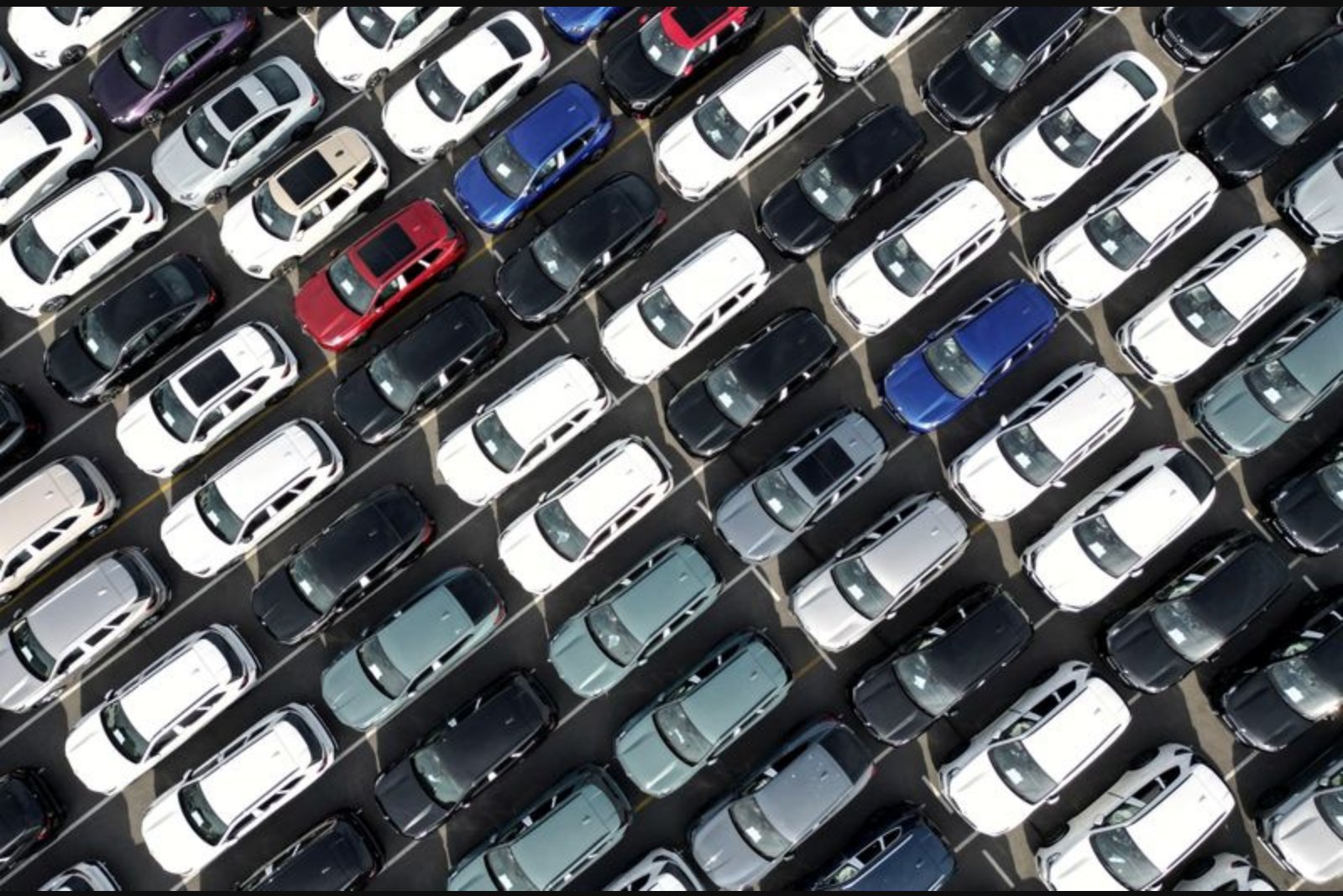
India is preparing to make a significant opening of its auto market to European imports by reducing tariffs on certain cars from the European Union to 40% from current highs of up to 110%, according to people briefed on the negotiations. The change is part of a near-final free trade pact between New Delhi and the 27-nation EU that both sides could announce as early as Tuesday.
Two sources involved in the talks said the Indian government has agreed to an immediate reduction in import duties for a limited group of cars with import prices above 15,000 euros. That immediate cut would take tariffs to 40%, and the same cars would see duties fall further to 10% over time. The sources spoke on condition of anonymity because the negotiations remain confidential and could still be altered before any formal announcement. India’s commerce ministry and the European Commission declined to comment.
What the agreement would change
Under the proposed terms described by the sources, New Delhi would cut tariffs to 40% immediately for about 200,000 combustion-engine cars a year. The proposal represents what one source called the most aggressive opening of India’s protected auto sector to date, though the 200,000-unit quota could still be adjusted before being finalized.
Battery electric vehicles are set to be excluded from the duty reductions for the first five years. The carve-out is intended to shield investments by domestic EV producers, specifically Mahindra & Mahindra and Tata Motors, the sources said. After five years, EVs would be treated under the same schedule of duty reductions as the combustion-engine cars covered by the initial concession.
Who could benefit
The tariff shift would ease market access for European manufacturers such as Volkswagen, Mercedes-Benz, BMW, Renault and Stellantis. Lower duties would let these automakers import vehicles at a lower landed cost, enabling them to price models more competitively and to expand the range of cars they offer in India before deciding whether to invest further in local production.
Luxury brands that already produce some vehicles in India but have faced growth limits due in part to high import levies - including Mercedes-Benz and BMW - could find greater room to introduce additional models and variants. The measure is likely intended to give European groups more flexibility to test consumer demand across a broader portfolio.
Market context and scale
India is the third-largest car market by sales after the United States and China, selling about 4.4 million units a year. European makes currently claim less than a 4% share of that market. The sector is presently dominated by Japan’s Suzuki Motor and local manufacturers Mahindra and Tata, which together hold about two-thirds of annual sales.
Domestic import duties on cars are among the highest in the world. New Delhi currently applies tariffs of 70% and 110% on imported vehicles, a policy frequently criticized by executives in the auto industry. The planned cuts would therefore mark a substantial liberalization of a historically protected sector.
Industry participants are already positioning for growth: with India’s market expected to expand to around 6 million units annually by 2030, some companies are lining up fresh investment. Reports indicate Renault is repositioning to re-enter the market under a new strategy, while Volkswagen Group is preparing further investment through its Skoda brand.
Broader trade implications
The trade agreement under discussion is being hailed by negotiators as exceptionally large in scope and has been described internally as "the mother of all deals." Beyond automobiles, the pact could bolster Indian exports of goods including textiles and jewellery, which have faced U.S. tariffs of 50% since late August.
Next steps and uncertainties
Officials expect an announcement on the conclusion of the protracted negotiations as early as Tuesday, after which the sides will complete the remaining details and move toward ratification. However, the sources cautioned the arrangement remains subject to last-minute changes and that specific elements such as the 200,000-unit quota may be revised in the final text.
Both the limited scope of the initial cuts and the temporary exclusion of battery electric vehicles highlight how the agreement seeks to balance opening the market with protecting nascent domestic investments in EV manufacturing.
Summary
India is poised to slash import tariffs to 40% on a defined segment of EU-made cars priced above 15,000 euros, moving to 10% over time, while shielding battery electric vehicles from cuts for the first five years. The concession, part of a near-complete EU-India free trade agreement that could be announced as soon as Tuesday, would aim to give European automakers greater ability to import, price and test a broader range of vehicles in a market dominated by local and established Asian manufacturers.