
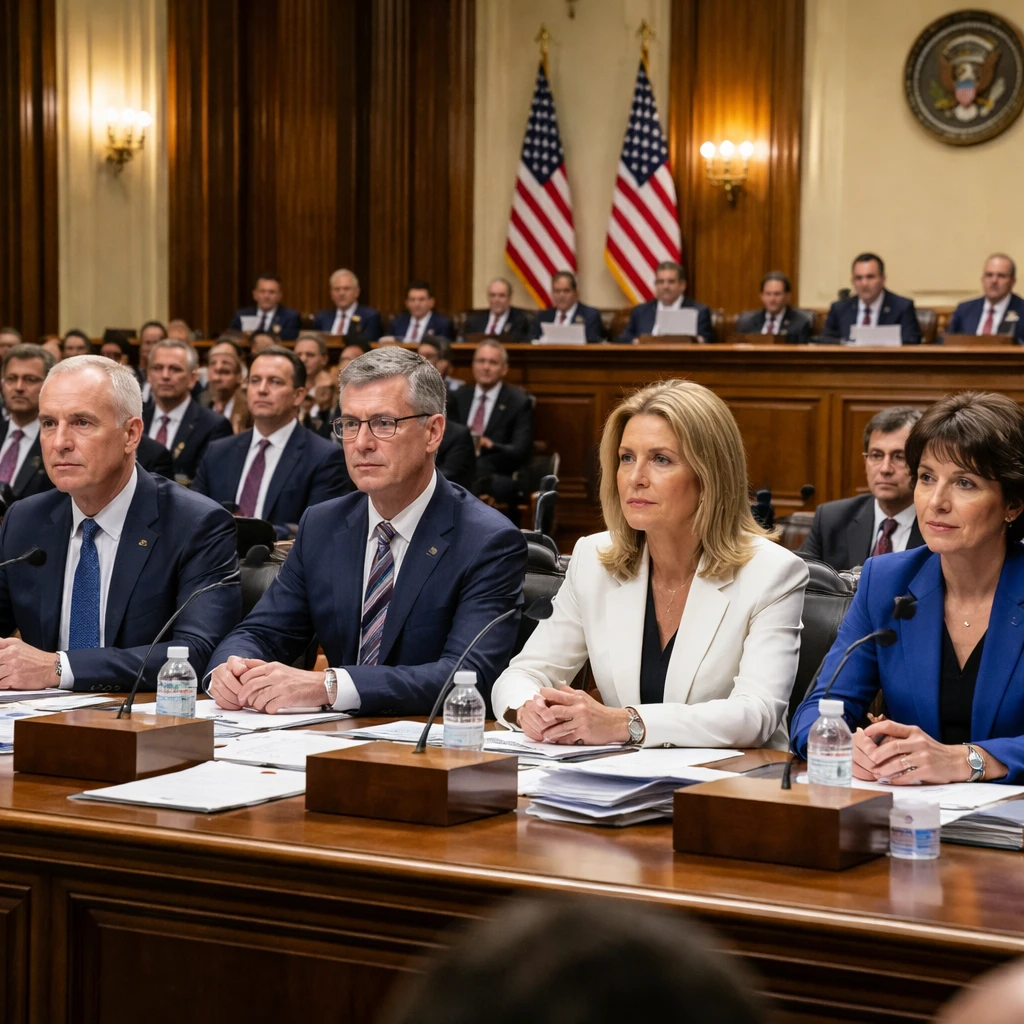
Officials from leading health insurance firms—including CVS Health, Cigna, UnitedHealth, and Elevance—testified before U.S. congressional committees regarding escalating healthcare expenses and the consequent decline in affordability for Americans. This scrutiny arises as consumers confront significantly higher Obamacare premiums after the cessation of supplemental COVID-19 tax credits.
Key Points
- Congressional hearings include top executives from major U.S. health insurers addressing rising healthcare costs and insurance premiums.
- Expiration of enhanced COVID-19 tax credits under the ACA leads to significant increases in Obamacare insurance premiums for millions.
- UnitedHealth plans to provide rebates to its 2026 ACA plan enrollees to help ease premium costs.
Executives representing some of the largest players in the United States health insurance market appeared before congressional panels on Thursday to discuss the ongoing surge in healthcare expenses and the challenge of maintaining affordability. The testimonies delivered to both the House of Representatives and the Senate coincided with significant increases in insurance premiums affecting millions of Americans.
The insurance leaders, encompassing firms such as CVS Health, Cigna, UnitedHealth, and Elevance Health, addressed lawmakers during hearings concerning the implications of rising costs on consumers, especially following the expiration of enhanced subsidies originally instituted during the COVID-19 pandemic. These enhanced tax credits had previously alleviated premium pressures under the Affordable Care Act (ACA), commonly referred to as Obamacare.
Survey data from the health-policy organization Kaiser Family Foundation (KFF) reveals that for American households with employer-sponsored health plans, annual premiums are projected to climb by 6% in 2025, nearing an average of $27,000. Additionally, government statistics have documented an increase in medical care costs exceeding 7% in recent years, compounding economic pressures on insured individuals and families.
Amidst these developments, political discourse includes President Donald Trump's expressed opposition to reinstating the enhanced Obamacare tax credits. Instead, he advocates for direct financial support to individuals purchasing health coverage, proposing that such assistance be funneled into health savings accounts, offering consumers greater control over funds.
In their formal written statements submitted to key congressional bodies—including the House Ways and Means Committee and the Subcommittee on Health within the House Energy and Commerce Committee—UnitedHealth announced plans to issue rebates to members enrolled in its ACA marketplace plans for the 2026 coverage year. This move aims to mitigate some of the financial burden on affected consumers.
These hearings highlight healthcare affordability as a critical topic, particularly in the context of forthcoming elections, with potential implications for insurance market dynamics, employer health plan structures, and governmental healthcare policy.
Risks
- Rising health insurance premiums may reduce affordability for American families, impacting consumer spending and healthcare access.
- Discontinuation of pandemic-related tax credits risks increasing uninsured rates and financial strain on households.
- Political uncertainty regarding healthcare subsidies creates challenges for insurance providers and policymakers in stabilizing the market.