
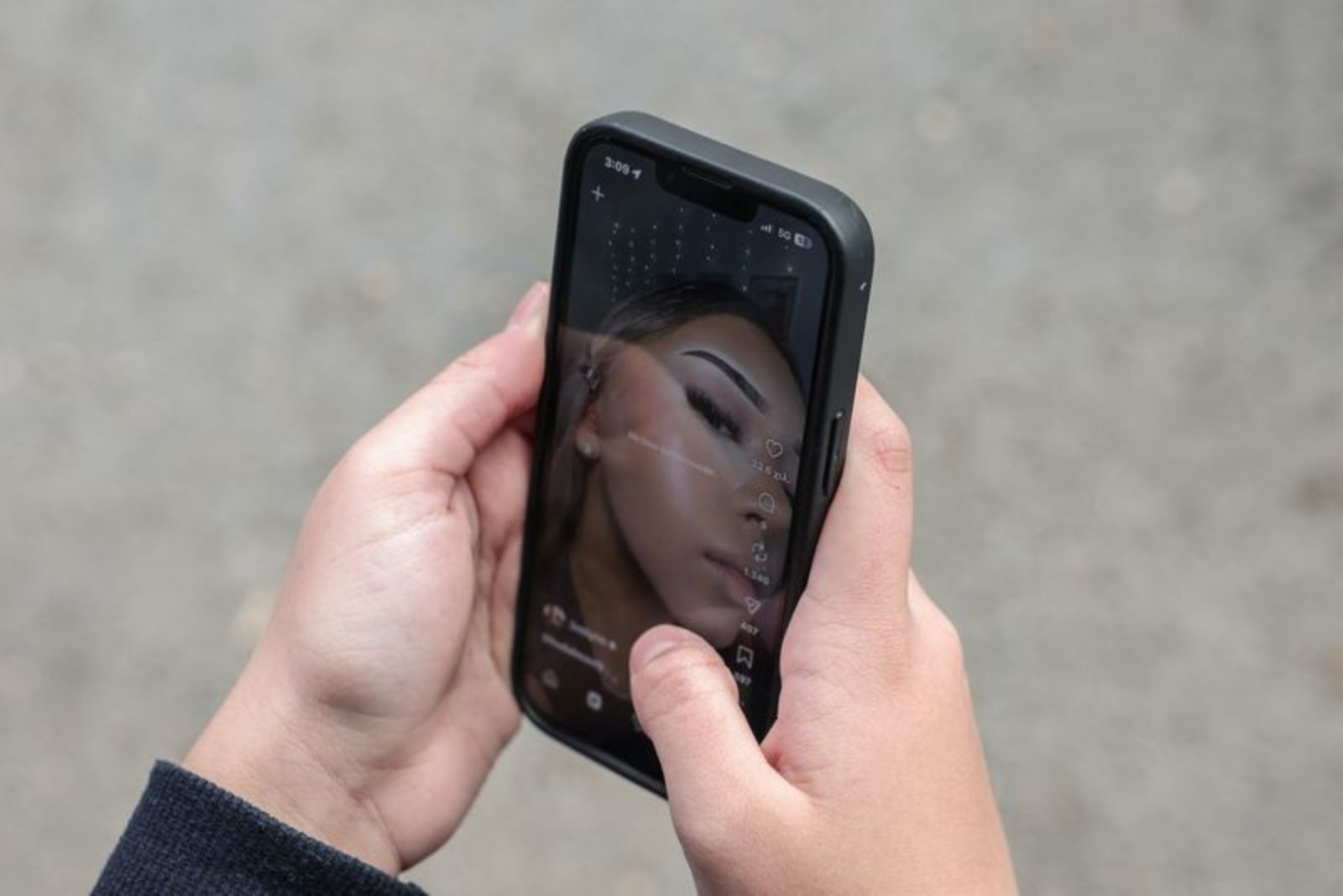
Greece will prohibit children under 15 from accessing social media platforms from January 1, 2027, Prime Minister Kyriakos Mitsotakis said on Wednesday, citing increases in anxiety, sleep disturbances and the addictive nature of online services.
Mitsotakis, speaking in a video message, said he had consulted with parents prior to the announcement and described Greece as - among the first countries to take such an initiative. He added that the government intends to push the European Union to follow suit.
An ALCO opinion poll published in February found roughly 80% of respondents supported such a ban, according to the government. Athens has already taken national steps aimed at limiting young people’s device use, including outlawing mobile phones inside schools and rolling out parental-control tools designed to cap teenagers’ screen time.
In a separate intervention, Digital Governance Minister Dimitris Papastergiou said platforms will need to be equipped to block access for under-15 users from January 1, 2027, or else face fines under the European Union’s Digital Services Act (DSA) that can reach up to 6% of a platform’s global turnover.
Greece cannot currently compel global social networks to perform age verification on users, the government acknowledged, but it has urged platforms to adopt mechanisms already established at EU and national levels. Officials also appealed to parents to help enforce the measure.
Parliament in Athens is scheduled to enact the law in mid-2026, according to the government.
Greece’s move follows Australia’s decision in December to ban social media accounts for children under 16, a policy that has resulted in access restrictions to platforms that include TikTok, Alphabet’s YouTube and Meta’s Instagram and Facebook. Several major platforms - Meta, Snapchat and TikTok - said they still believed Australia’s ban would not protect young people but indicated they would comply with the new rules.
Prime Minister Mitsotakis also wrote to European Commission President Ursula von der Leyen calling for coordinated EU action, arguing national measures will not be sufficient to shield minors from internet addiction.
In the letter, he proposed that the EU set a harmonised digital age of majority at 15, require mandatory age verification and periodic re-verification across all platforms, and establish a unified enforcement and penalty structure. He urged the bloc to implement such a system by the end of 2026.
State Minister Akis Skertsos said at a joint press conference that EU members do not enjoy the same flexibility as Australia on this issue. He noted that national legislation is heavily influenced by EU law and warned that without an EU legislative framework national efforts would be largely ineffective.
The Greek government pointed to a trend of several other countries tightening social-media rules: the United Kingdom, Malaysia, France, Denmark and Poland are either considering bans or are in the process of legislating them, the government said.
The public announcement in Athens also included a passage describing investment-research tools that evaluate major companies. That section noted a service called ProPicks AI assesses companies such as GOOGL alongside thousands of others each month using more than 100 financial metrics to identify stocks that the tool considers to offer attractive risk-reward profiles. The description said the AI has no bias and cited past winners as examples, and invited readers to check whether GOOGL was currently featured in any of its strategies.
Officials in Greece framed the national ban as a first step intended to catalyse broader European measures. They emphasised that platform-level technical capabilities and EU-wide legal alignment are prerequisites for effective enforcement, and that parents must play a role in controlling minors’ online access until such measures are in place.