
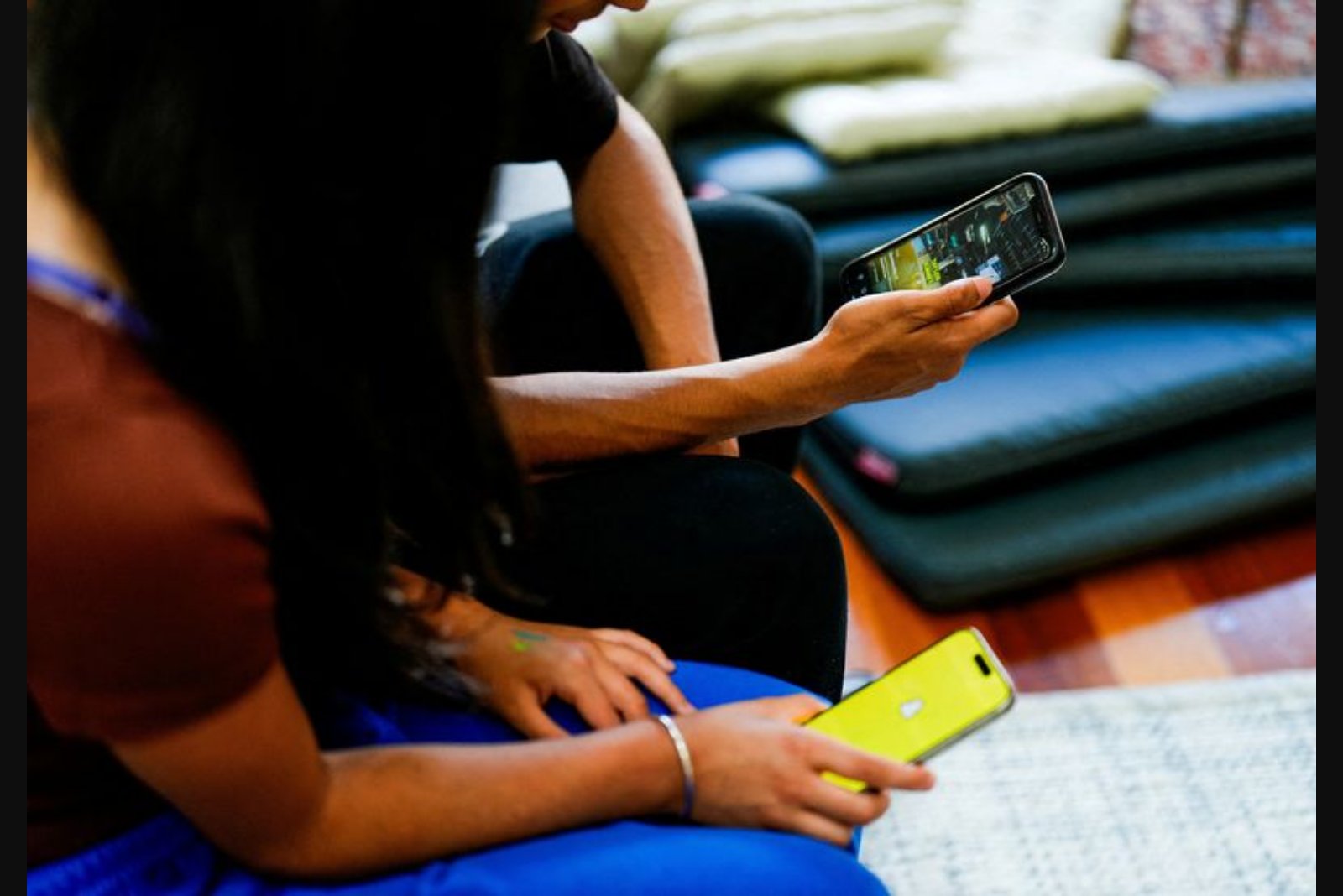
Countries around the world are advancing a range of policies intended to limit children’s use of social media, citing concerns about young people’s online safety and wellbeing. The measures vary by jurisdiction, from device-level restrictions to statutory bans that would prevent minors from creating or using accounts on major platforms.
Australia
In a landmark development, Australia passed a law in November 2024 requiring major social media companies to block users younger than 16 from accessing platforms. The regulation took effect on December 10, 2025 and applies to services including TikTok, YouTube operated by Alphabet, and Meta’s Instagram and Facebook. Firms that do not comply face fines of up to A$49.5 million, equivalent to $34.3 million.
Britain
On January 20, British Prime Minister Keir Starmer said the government is considering a ban similar to Australia’s to better protect children online. Officials did not specify a precise age threshold, saying only that a ban "for children under a certain age" is under review, and that they are looking at whether the existing digital age of consent should be raised.
China
China’s cyberspace regulator has implemented a "minor mode" scheme. That programme enforces device-level restrictions and app-specific rules, limiting the amount of time children can spend on devices based on their age.
Denmark
Denmark announced in November plans to prohibit social media use for children under 15, while allowing parents to grant exceptions so that some 13 and 14-year-olds can access specified platforms. The proposal reportedly drew majority parliamentary support ahead of a formal vote.
France
France’s National Assembly approved legislation on January 26 to bar children younger than 15 from social media, citing concerns about online bullying and risks to mental health. The bill must still clear the Senate before returning to the lower house for a final vote.
Germany
In Germany, minors aged 13 to 16 may use social media only with parental consent. Child protection organisations, however, have argued that existing controls do not go far enough.
India
Goa, a leading tourist state in India, is reportedly considering restrictions similar to Australia’s. The state’s infotech minister indicated on January 27 that such measures are under consideration.
Italy
Italian rules require parental consent for children under 14 to register for social media accounts; from age 14 upward no parental consent is required.
Malaysia
Malaysia announced in November plans to ban social media use for those under 16 beginning in 2026.
Norway
The Norwegian government proposed in October 2024 raising the minimum age for children to consent to social media terms from 13 to 15 years. Parents would still be able to provide consent for younger children. The government has also started work on legislation to set an absolute minimum use age of 15.
The United States
At the federal level, the Children’s Online Privacy Protection Act bars companies from collecting personal data from children under 13 without parental consent. Several U.S. states have enacted laws requiring parental consent for minors to access social media, but those state-level measures have faced court challenges on free speech grounds.
European Union
In November, the European Parliament adopted a non-binding resolution that proposed setting a minimum age of 16 for social media use to promote "age-appropriate online engagement." The resolution also recommended harmonising a digital age of 13 for social media access and suggested an age threshold of 13 for video-sharing services and for "AI companions." The resolution itself does not create legal obligations.
Industry Practices
Major platforms including TikTok, Facebook and Snapchat maintain that users must be at least 13 to sign up. Child protection groups counter that these safeguards are inadequate, and official figures in several European countries indicate that many children younger than 13 already hold social media accounts.
Note: the article also referenced a valuation tool question concerning GOOGL and a fair value calculator that uses 17 valuation models, accompanied by a promotional line about a New Year’s Sale of 55% off. Currency conversion used in the article is $1 = 1.4434 Australian dollars.