
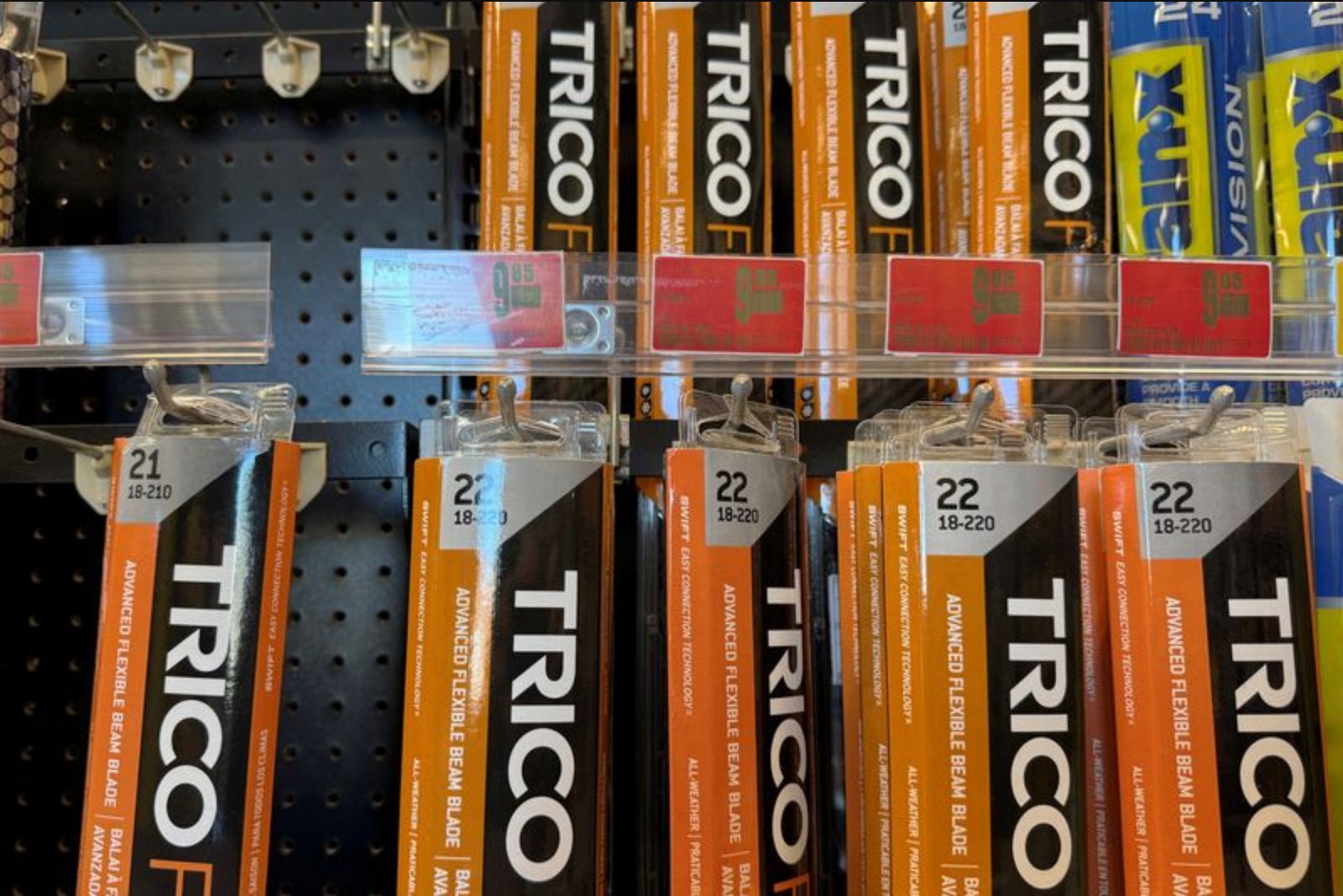
Patrick James, who started and led auto parts supplier First Brands, entered a not-guilty plea on Wednesday to a nine-count federal indictment accusing him of defrauding lenders out of billions of dollars before the company's bankruptcy. The charges, brought in Manhattan, say James orchestrated a years-long financial deception while serving as First Brands’ chief executive.
The indictment alleges an eight-year scheme in which lenders were induced to finance the company’s expansion through a series of deceptive practices, including double- and triple-pledging the same collateral on loans, fabricating invoices and concealing large amounts of indebtedness. Prosecutors charged James with counts that include operating a continuing financial crimes enterprise, bank fraud, wire fraud and conspiracy to launder money.
James pleaded not guilty before a U.S. magistrate judge in Manhattan. His brother, Edward James - a former senior executive at First Brands - faces eight criminal counts that exclude the continuing-crimes-enterprise charge. Edward James also pleaded not guilty on Wednesday. The siblings were taken into custody on January 29 in Ohio.
After their arrests, Patrick James was released on a $50 million bond and Edward James on a $25 million bond. Court orders place both brothers under home confinement.
First Brands’ collapse in September drew attention across markets because major financial institutions including BlackRock, Jefferies and UBS were among the lenders that financed the company’s growth. The Cleveland-based parts supplier sought Chapter 11 protection on September 28. The filing interrupted parts flows to automakers, with the disruption affecting companies such as Ford and General Motors.
Founded in 2013, First Brands manufactured and distributed automotive components including brakes, filters and lighting systems. The company reported roughly $5 billion in annual sales before its insolvency.
Prosecutors say the alleged fraudulent conduct spanned from 2018 through 2025. In a related development, former First Brands vice president of finance Andy Brumbergs has pleaded guilty to charges tied to the case and is cooperating with prosecutors.
Separately, federal prosecutors in Manhattan filed criminal fraud charges in December against senior executives of subprime auto lender Tricolor, which moved to liquidate 18 days prior to First Brands’ bankruptcy filing. In recent corporate restructuring moves, First Brands began winding down its Brake Parts, Cardone aftermarket parts and Autolite spark-plug divisions last week, while attempting to sell other assets to maximize recoveries for creditors.
Summary
Patrick and Edward James have pleaded not guilty to federal charges alleging a multi-year scheme to mislead lenders tied to First Brands’ growth financing. The company's September bankruptcy disrupted automakers' supply chains. Prosecutors say deceptive financing practices occurred from 2018 to 2025; one former finance executive has pleaded guilty and is cooperating.
Key points
- Patrick James pleaded not guilty to nine counts that include operating a continuing financial crimes enterprise, bank fraud, wire fraud and money laundering conspiracy.
- Edward James pleaded not guilty to eight counts; both brothers were arrested January 29 in Ohio and released on high-value bonds with home confinement conditions.
- First Brands, founded in 2013 with about $5 billion in annual sales, filed Chapter 11 on September 28, disrupting supply chains for automakers including Ford and General Motors; some business units are being wound down while other assets are being marketed for sale.
Risks and uncertainties
- Legal outcomes remain uncertain - criminal proceedings could affect creditor recoveries and the timing of asset sales, creating risks for financial institutions involved in lending to the company. This impacts the finance sector and creditor markets.
- Ongoing supply chain disruption for automakers tied to First Brands' operations remains a concern as the company winds down certain units and seeks buyers for other assets. This risk affects the automotive supply chain and vehicle manufacturers.
- Related enforcement actions in the subprime auto sector, exemplified by recent charges against Tricolor executives, add uncertainty to regulatory and lending conditions for subprime lenders and connected automotive suppliers.