
Stock Markets February 3, 2026

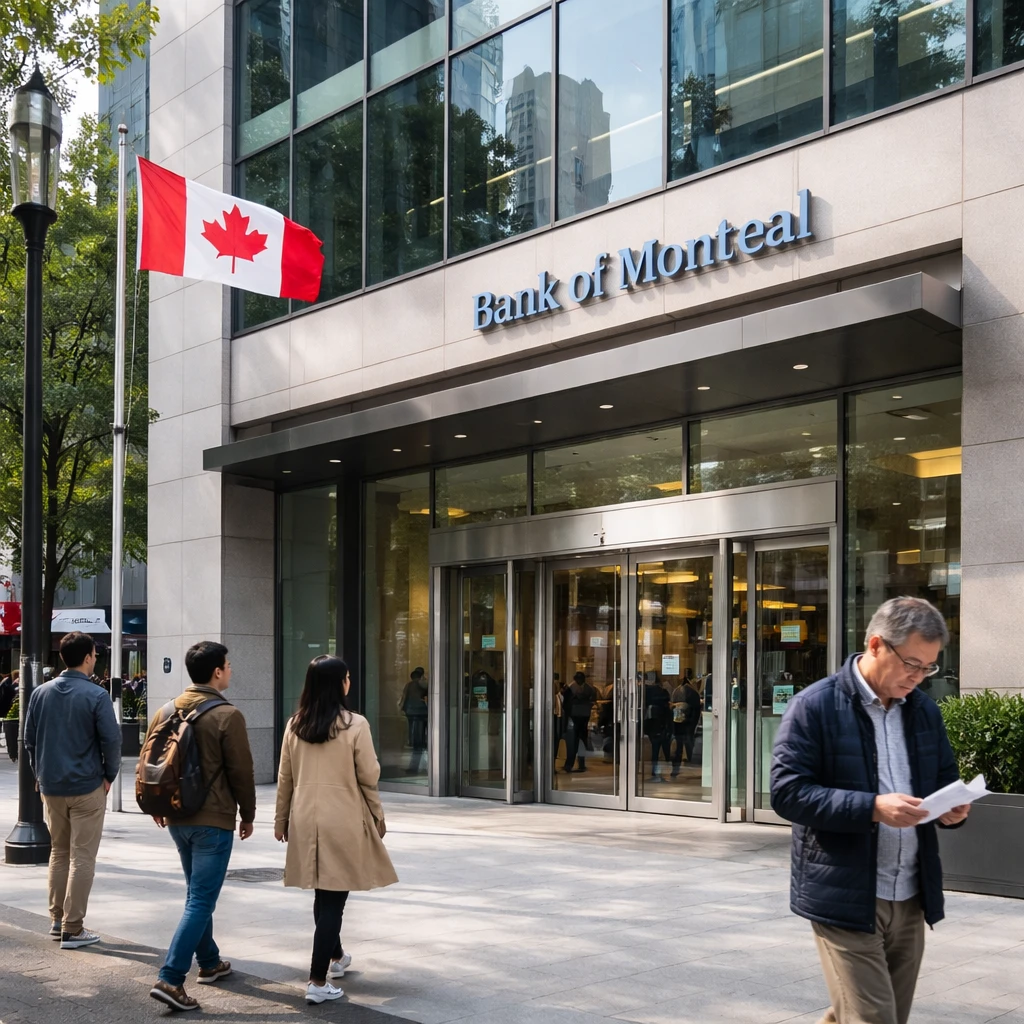
FCAC fines Bank of Montreal $4M over undisclosed banking program fees

Regulator says disclosure failures led to wrongful charges for more than 101,000 customers; BMO has refunded most funds and made a charitable settlement for the remainder

By Leila Farooq
FCAC fines Bank of Montreal $4M over undisclosed banking program fees

Canada’s Financial Consumer Agency (FCAC) has imposed a $4 million administrative penalty on the Bank of Montreal for breaches of the Bank Act’s consumer provisions tied to inaccurate fee disclosure. The lapses, occurring mainly from 2010 to 2024, affected specific discounted programs and resulted in erroneous fees for 101,091 customers, many of whom qualified for fee waivers. BMO has returned over $3 million in refunds and interest and donated more than $600,000 to charity to resolve unrecoverable balances.

Key Points

  • FCAC imposed a $4 million administrative penalty on Bank of Montreal for violations of the Bank Act’s consumer provisions - sector impacted: banking and financial services.
  • Disclosure failures, mainly between 2010 and 2024, affected specific discounted banking programs and resulted in erroneous charges for 101,091 customers - sector impacted: consumer banking and payments.
  • BMO refunded over $3 million with interest to affected customers and donated more than $600,000 to charity to resolve funds that could not be returned - sector impacted: retail banking and consumer finance.

The Financial Consumer Agency of Canada (FCAC) has announced an administrative penalty of $4 million against the Bank of Montreal for contraventions of the consumer-related provisions of the Bank Act linked to fee disclosures.

According to the regulator’s summary of the proceedings, the disclosure failures occurred primarily between 2010 and 2024 and were concentrated within certain discounted banking programs. The FCAC stated that "BMO failed to disclose all charges applicable to these accounts" and that the bank supplied incorrect information about when monthly fees would begin.

The FCAC said the disclosure shortcomings led to erroneous charges for 101,091 account holders. Those affected included newcomers to Canada, Indigenous banking customers, and students. The regulator specified that these clients were charged fees that, under the terms of the discounted programs involved, should have been waived.

In response to the findings, the Bank of Montreal provided more than $3 million in refunds and interest redress to the impacted customers. For sums that could not be returned to individual account holders, the bank made a charitable donation of over $600,000 to address the outstanding balance.

The FCAC highlighted that the size of the penalty reflects the regulator’s assessment of the bank’s shortcomings in maintaining monitoring systems capable of detecting the errors in a timely fashion. The regulator underlined the importance of accurate disclosure, stating, "For consumers to make informed financial decisions, they must be provided information that is accurate and, at a minimum, meets legal requirements."


This enforcement action centers on the intersection of disclosure practices and consumer protection within banking products that offer discounted or waived fees. The FCAC’s decision points to deficiencies both in the disclosure language provided to customers and in the internal controls designed to ensure those disclosures were applied correctly over a prolonged period.

The monetary components of the resolution are explicit: a $4 million penalty, more than $3 million reimbursed to customers with interest, and a charitable payment exceeding $600,000 to settle unrecoverable balances. The affected client total is stated as 101,091, and the timeframe of the conduct is identified as mainly 2010 through 2024.

Risks

  • Failures in disclosure and monitoring systems can produce regulatory penalties and remediation costs for banks - impacts banking sector compliance and operational risk.
  • Affected customers include vulnerable groups such as newcomers, Indigenous clients, and students, highlighting reputational and consumer-protection risks for financial institutions - impacts consumer confidence in retail banking.
  • Long-running lapses spanning 2010 to 2024 suggest potential for continued supervisory scrutiny and required improvements in controls, which can increase compliance costs - impacts bank operations and regulatory oversight.

More from Stock Markets

Portugal's PSI Climbs to Five-Year Peak as Utilities, Telecoms and Materials Lead Gains Feb 3, 2026 Milan Stocks Close Higher; Italy 40 Reaches New Record High Feb 3, 2026 Frankfurt closes slightly lower as retail, software and media stocks weigh on DAX Feb 3, 2026 Belgian equities close higher as BEL 20 hits record level Feb 3, 2026 Citi Reinstates Buy on Becton Dickinson After Life Sciences Divestiture Feb 3, 2026