
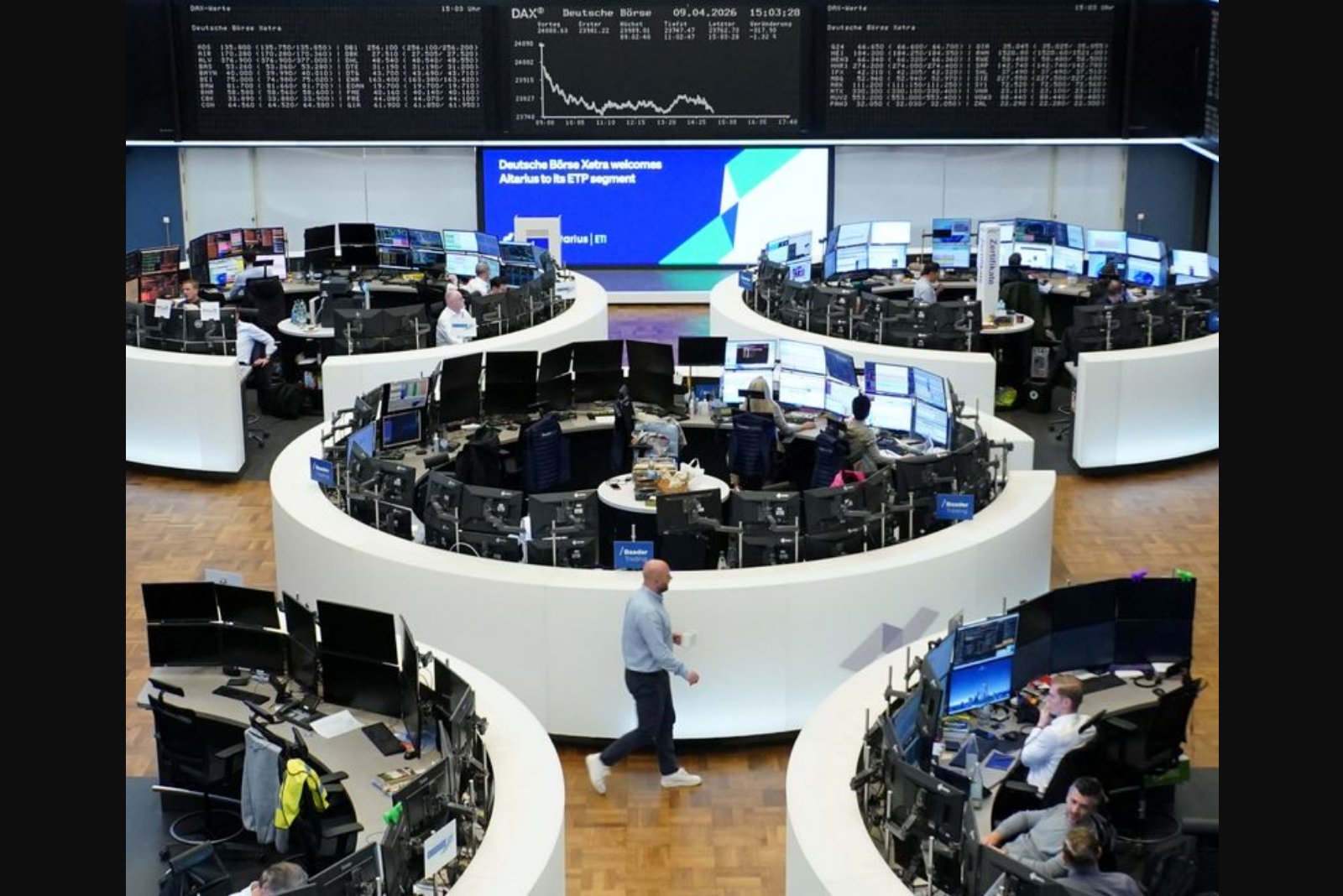
European stock markets moved higher on Friday, with the STOXX 600 up 0.2% at 613.48 points as of 0716 GMT, placing the pan-European benchmark on course for a third consecutive weekly advance. The restrained upside came as investors weighed cautious optimism about a weekend round of diplomacy between the U.S. and Iran against signs that the recently negotiated two-week ceasefire is under pressure.
The ceasefire, in place for about two weeks, showed strain a day before scheduled talks in Pakistan on Saturday. Washington has accused Tehran of breaching its commitments concerning activity in the Strait of Hormuz. At the same time, Iran said Israeli strikes in Lebanon violated the terms of the ceasefire, adding friction to an already fragile arrangement. In a related development, Israel indicated it was prepared to open direct negotiations with Lebanon as soon as practicable, a move that market participants noted could affect regional dynamics.
Sector-level performance in Europe was uneven on the session. Healthcare and technology stocks led gains, rising 0.5% and 0.6% respectively. Energy sector equities declined 0.7% despite an uptick in oil prices on the day, suggesting a divergence between commodity moves and energy stock valuations.
Investors continued to digest the market reaction from midweek, when European shares staged their strongest single-day rally in more than four years after news of the Middle East ceasefire. That surge helped the STOXX 600 recover some of the losses it had accumulated since hostilities began in late February.
Individual company movements added to the market narrative. French food caterer Sodexo fell about 20% after cutting its annual sales and profitability targets, a sharp move that weighed on investor sentiment around the consumer services sector.
Looking ahead, traders and strategists are focusing on U.S. inflation data due later in the day. Market participants expect the release to provide additional insight into whether the geopolitical tensions are beginning to feed through to broader economic indicators and corporate performance. The data is likely to be monitored closely for any implications it may have on monetary policy expectations and on demand-sensitive sectors.
Summary
European equities made modest gains with the STOXX 600 up 0.2% at 613.48 as of 0716 GMT and poised for a third straight weekly rise. The improvement came amid cautious investor optimism ahead of U.S.-Iran talks, while the ceasefire between the parties showed signs of fragility. Healthcare and technology stocks led sector gains, energy lagged despite higher oil prices, and Sodexo slumped after downgrading targets. U.S. inflation data later in the day will be watched for signs of economic impact from the conflict.