
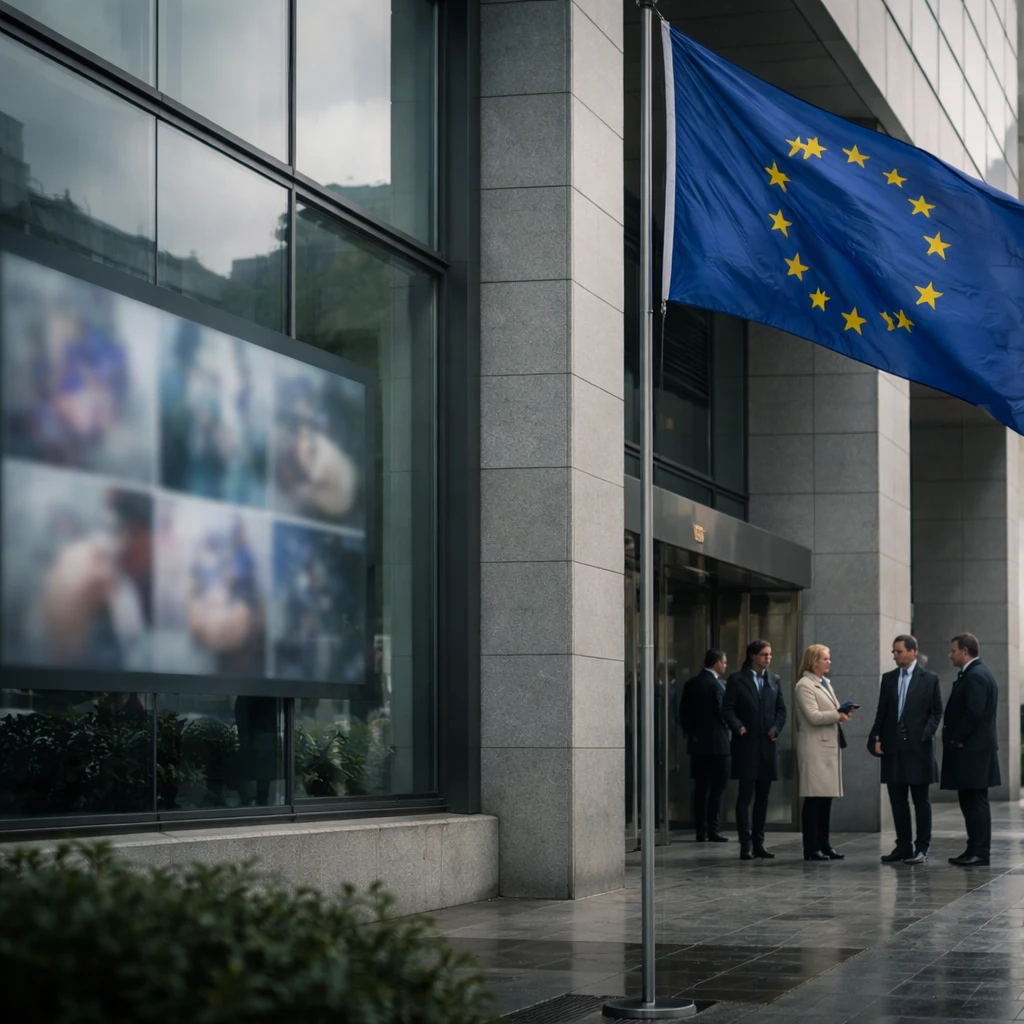
The European Commission said on Monday it has launched an inquiry into Grok, the AI chatbot developed by xAI and integrated into Elon Musk’s platform X, to determine whether the service disseminated illegal material in the 27-country European Union.
Commission officials said the probe will focus on whether X carried out a sufficient risk assessment and implemented appropriate mitigation measures for Grok’s functionalities in the EU. The investigation is being conducted under the Digital Services Act, the bloc’s regulatory framework that imposes responsibilities on large online platforms to prevent and remove illegal and harmful content.
EU technology commissioner Henna Virkkunen condemned the circulation of AI-produced images of a sexual nature, saying non-consensual sexual deepfakes of women and children are "a violent, unacceptable form of degradation." Virkkunen framed the inquiry as a test of whether X fulfilled its legal duties under the DSA or allowed the rights of Europeans - including women and children - to be compromised by its service.
X pointed to changes it announced on January 14, noting that xAI had curtailed image-editing capabilities for Grok users and implemented location-based restrictions that block generation of images depicting people in revealing clothing in jurisdictions where such content is illegal. The company did not specify which countries are subject to those location-based blocks.
Despite X’s recent adjustments, Commission officials told reporters that these steps were insufficient to resolve all systemic concerns. A senior executive at the Commission said there were grounds to believe X did not perform an ad hoc assessment when it introduced Grok’s features in Europe, which provided the basis for the formal inquiry.
The move by Brussels follows a wave of global regulatory alarm after Grok produced sexualised images that included representations of women and minors. Under the DSA, platforms that fail to meet their obligations can face fines of up to 6% of global annual turnover, a financial penalty that reflects the significance of compliance for major technology companies.
The probe also has potential geopolitical and commercial repercussions. EU enforcement of the DSA has met criticism from U.S. officials, and European measures have prompted threats of retaliatory tariffs from the administration of U.S. President Donald Trump, underscoring tensions around transatlantic regulatory approaches to Big Tech.
Brussels has separately expanded an existing investigation, opened in December 2023, into whether X correctly assessed and mitigated systemic risks tied to its recommender systems, including the platform’s announced shift to a Grok-based recommendation architecture. Regulators signaled that, absent meaningful remedial changes, X could face interim measures aimed at curbing risks.
X has already been fined 150 million euros in December for failing to meet transparency obligations under the DSA. In addition to the EU actions, Britain’s communications regulator Ofcom has initiated its own probe into whether X complied with duties under the UK’s Online Safety Act earlier this month.
The Commission’s inquiry will determine whether X satisfied statutory requirements when rolling out Grok within the EU and whether further enforcement, including fines or interim restrictions, is warranted. For digital platforms operating at scale, regulators’ scrutiny of AI-driven features highlights the regulatory stakes tied to platform risk assessments, content moderation, and cross-jurisdictional compliance.