
Stock Markets June 1, 2026 06:00 PM

Duke Energy Engages Cloud Providers on Sharing Financial Risk for New Nuclear Capacity

Utility seeks partner funding from hyperscalers as data-center demand pushes electricity use higher across the U.S. Southeast

By Hana Yamamoto
Share
Twitter Reddit Facebook LinkedIn
DUK

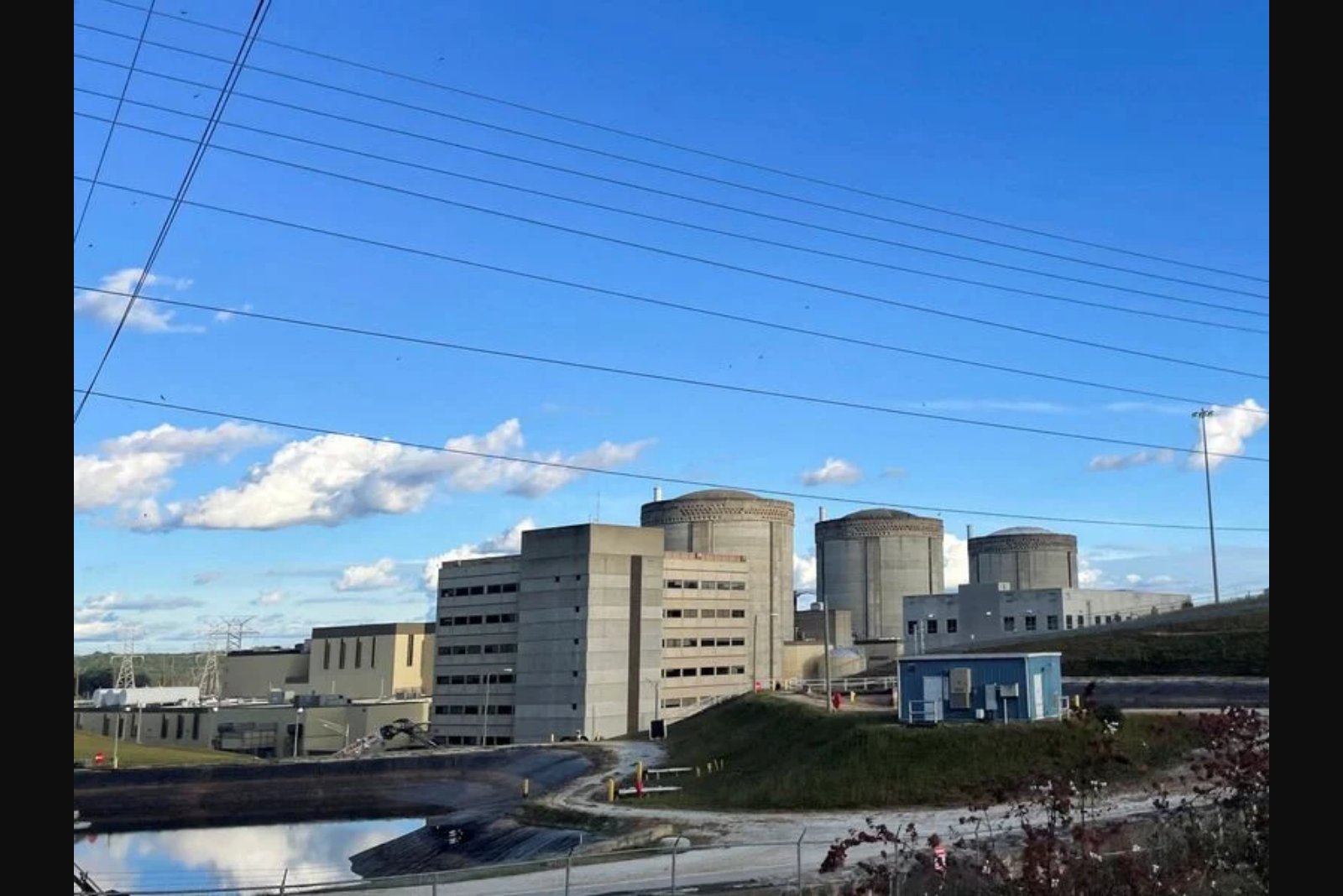
Duke Energy has held discussions with large cloud and tech companies about a potential financing arrangement for new nuclear reactors, asking hyperscalers to assume a portion of construction risk as the utility evaluates adding nuclear capacity to meet rising demand driven by energy-intensive data centers. The company, headquartered in North Carolina and serving much of the southeastern United States, already operates more nuclear plants than any other regulated U.S. utility.

Duke Energy Engages Cloud Providers on Sharing Financial Risk for New Nuclear Capacity
DUK
Summarize with
ChatGPT Perplexity Claude Grok Gemini

Key Points

  • Duke Energy has discussed with hyperscalers the possibility of those companies taking on some financial risk for building new nuclear reactors.
  • The utility is considering adding more nuclear capacity to serve growing electricity demand driven by energy-intensive data center construction.
  • Duke already owns the largest fleet of nuclear plants among regulated U.S. utilities and is exploring structures to limit its sole exposure to construction cost and schedule overruns.

Duke Energy has opened talks with major technology companies about the possibility of sharing the financial exposure involved in building new nuclear reactors, company leadership said. The conversations center on whether hyperscalers would take on some of the economic risk associated with constructing reactors that could supply growing volumes of power to meet rising demand.

The utility, based in North Carolina and covering a broad portion of the southeastern United States, has experienced heightened electricity demand as firms build energy-intensive data centers. That increased consumption has contributed to record highs in electricity usage in parts of the country.

Duke already operates more nuclear power plants than any other regulated utility in the United States. Company management has discussed adding further nuclear generation to its portfolio as a way to serve the rising loads coming from data center buildouts.

The prospect of new nuclear construction comes with well-known challenges. Building nuclear plants historically has involved higher-than-anticipated costs and schedules that extend beyond initial plans. Those factors have made many U.S. electric utilities reluctant to proceed with new reactors without sharing or offsetting construction risk.

Duke Energy's chief executive, Harry Sideris, addressed the subject during a NEXT Newsmaker interview, noting the company has engaged hyperscalers about assuming part of the financial burden of new builds. The discussions aim to explore contractual or investment structures that could reduce Duke's standalone exposure to cost overruns and timeline delays if the utility moves forward with nuclear additions.

The talks reflect the intersection of two market forces that the company is navigating: a surge in demand from technology customers constructing high-capacity data centers, and the persistent complexity and expense of nuclear plant construction. Duke has presented nuclear expansion as one possible response to sustained demand growth while seeking ways to mitigate the financial risks that typically accompany such projects.


Context note: The information above is drawn from statements by Duke Energy and its chief executive reported in a recent interview; it reflects the company's discussions and strategic considerations at the time of those remarks.

Risks

  • Construction of nuclear plants can incur higher costs and longer timelines than initially planned, creating financial exposure for builders and investors - impacts utilities, investors in utility stocks, and project financiers.
  • U.S. electric utilities have been hesitant to assume the full risk of new nuclear builds, which could complicate efforts to secure partners or financing - affects utilities and potential corporate partners.
  • Discussions with hyperscalers do not guarantee commitment or successful risk transfer; absence of binding arrangements would leave Duke exposed to typical nuclear construction uncertainties - relevant to energy markets and corporate procurement strategies.

More from Stock Markets

Mpac Group Issues Profit Warning as Shares Slide; Lambert Unit Sold for £16m Jun 8, 2026 European equities retreat as Iran-Israel strikes resume; oil jumps and AI optimism cools Jun 8, 2026 UK stocks slip as Iran-Israel exchanges trigger broad risk-off move Jun 8, 2026 Naver Jumps After Nvidia Pact to Build Large-Scale Sovereign AI Infrastructure Jun 8, 2026 Private Jet Travel Strengthens Despite Iran War Fuel Shock as Affluent Flock to Monaco and Cannes Jun 8, 2026