
SINGAPORE, Jan 28 - The U.S. dollar came under heavy selling pressure on Wednesday, sliding toward multi-year lows after investors intensified dollar sales in response to U.S. President Donald Trump’s apparent nonchalance about the currency’s slump. At the same time, Wall Street continued powering to new record highs.
The dollar’s fall pushed other assets higher: the euro climbed above $1.20 for the first time since 2021, the Australian dollar rose past $0.70 to reach a three-year peak, and dollar-priced commodities such as gold and crude oil strengthened sharply.
Gold surged to a new record high of $5,188.95 an ounce overnight, while U.S. crude rose through its 200-day moving average for the first time in six months to $62.54 a barrel. Bitcoin, by contrast, largely missed the broader rally and remained pinned below $90,000.
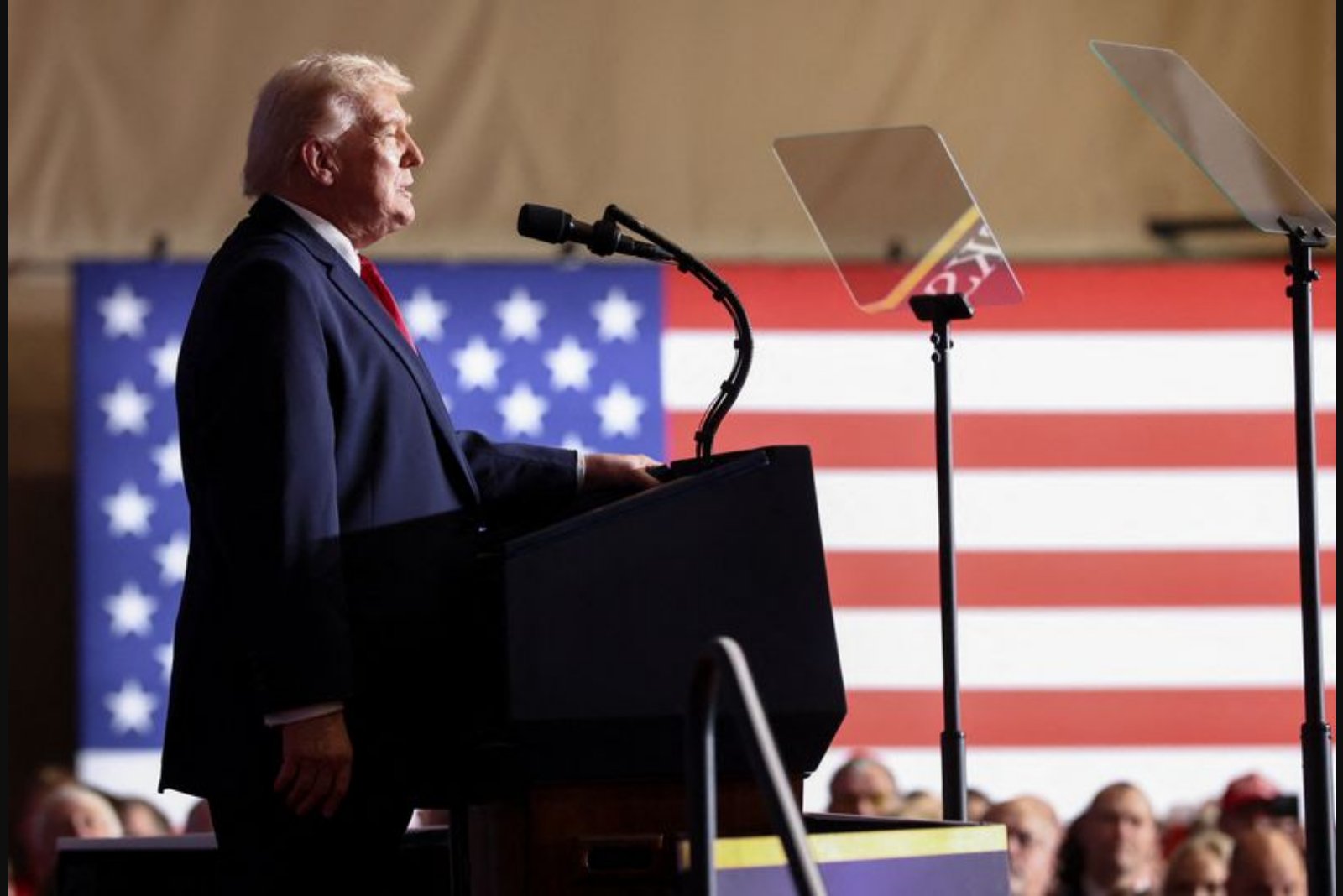
Asia session trade saw the yen move further away from recent lows before trading steadied early in the region’s session. The dollar’s weakness followed a public exchange in which a reporter asked the President whether he thought the currency had slipped too far; he replied, "Dollar’s doing great."
Markets had already been selling the dollar in recent days. Ahead of the President’s remark, the greenback recorded its largest three-day decline since the market fallout in the wake of last April’s tariff blitz. Concerns about erratic diplomacy related to Greenland and signals that the U.S. might be prepared to assist Japan in efforts to boost the yen added to market nerves.
Market participants typically look for clear trends to trade, and when senior officials push back against abrupt currency moves it can deter aggressive positioning. Observers said that when the President appears indifferent to or even endorses a weaker dollar, it can embolden sellers to continue pushing on the currency.
Last week the New York Federal Reserve checked prices for the dollar’s rate against the yen, a source said, and the market interpreted that action as an indication U.S. authorities would not object - and might even support - moves to bolster the yen if Japan sought to do so.
The dollar’s slide follows a turbulent first year of President Trump’s second term, during which the currency has already fallen more than 9% in 2025 - the largest annual drop since 2017 - as his attacks on the Federal Reserve’s independence, along with his fiscal and foreign policies, unsettled investors.
In fixed income markets, benchmark 10-year Treasury yields were slightly higher in Tokyo at 4.237%.
Equities presented a mixed picture. On Wall Street, health insurers plunged after the Trump administration proposed a much smaller increase in government payments to insurers than investors had expected. Despite that sector weakness, the S&P 500 rose 0.4% to close at a record high, and futures were up about 0.1% in Asian trading.
Regional markets varied: Australian shares posted modest gains, South Korea’s KOSPI climbed 1.7% to a record high, and Japan’s Nikkei, which often moves inversely to the yen, fell 0.7%.
Summary
Investor selling of the U.S. dollar intensified after President Trump signaled indifference to its decline, lifting the euro and the Australian dollar and boosting commodity prices. U.S. equities continued to hit record highs even as certain sectors, such as health insurers, reacted negatively to an administration proposal on government payments.
Key points
- The U.S. dollar dropped toward multi-year lows, prompting gains in the euro and Australian dollar and a retreat in the yen.
- Gold reached a record $5,188.95 an ounce and U.S. crude climbed to $62.54 a barrel, reflecting the impact of a weaker dollar on commodity prices.
- Equity markets diverged - the S&P 500 hit a record closing high while specific sectors like health insurers plunged on policy news.
Risks and uncertainties
- Presidential remarks and apparent indifference toward currency moves could encourage further dollar selling, increasing volatility in currency and commodity markets.
- Signals that U.S. authorities may be willing to assist other countries - for example, to support the yen - introduce uncertainty about future policy intervention and market reactions.
- Policy shifts and rhetoric that undermine confidence in the Federal Reserve’s independence could continue to unsettle investors and affect dollar stability.