
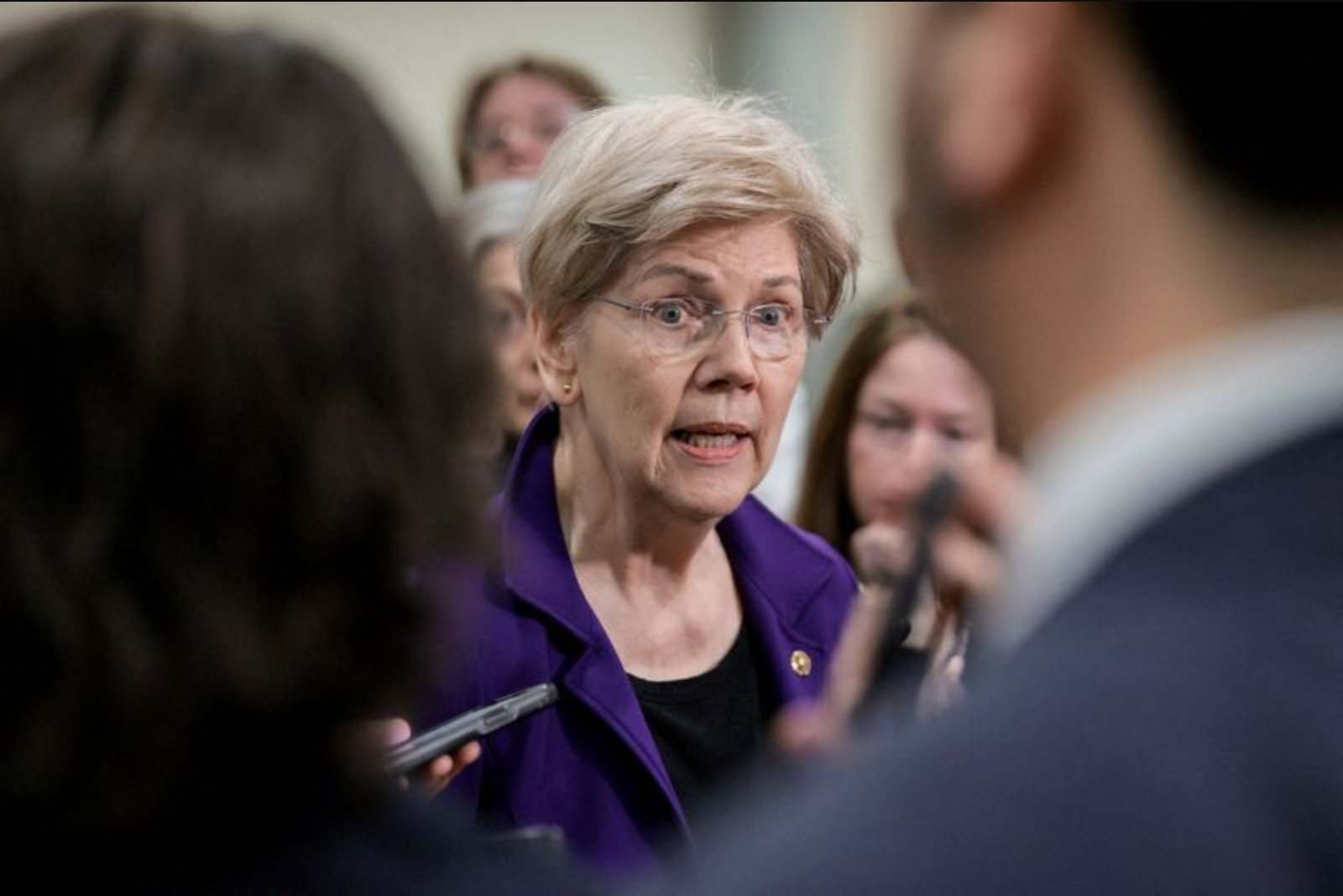
Two Democratic members of the U.S. Senate have formally asked the federal commodities regulator to examine a series of profitable trades that occurred in oil markets beginning March 23 and that closely aligned with White House actions related to the Iran conflict.
The letters, sent by Senator Elizabeth Warren, the top Democrat on the Senate Banking Committee, and Senator Sheldon Whitehouse, referenced reporting by Reuters and other news outlets documenting unusually large trades in commodities and equities that took place shortly before key White House announcements involving Iran, Venezuela and tariff measures. Experts who reviewed those trades described them as suspicious, according to the correspondence.
The senators requested that the U.S. Commodity Futures Trading Commission provide answers to a list of questions about what investigative steps it has taken and how it monitors markets for potential insider trading. The letter, dated Thursday, noted that similar concerns have arisen repeatedly during the current administration.
Representatives for the CFTC did not immediately reply to a request for comment. The agency's new enforcement director, however, told reporters last month that addressing insider trading is a priority for the commission.
The White House has denied any wrongdoing and said on Thursday that it had cautioned staff against using inside information for private gain.
The Warren-Whitehouse letter follows a separate inquiry last week from Democratic Senators Mark Warner and Adam Schiff. Those senators asked the Securities and Exchange Commission and the Defense Department Inspector General to look into related trading activity and raised comparable questions about whether inside information was used ahead of government actions.
The congressional outreach underscores renewed scrutiny from opposition-party lawmakers into market activity tied to sensitive national security and policy decisions. In their letter the senators sought clarity on whether the CFTC's surveillance systems detected the trades at issue and what, if any, enforcement measures have been pursued.
With multiple legislative offices now seeking responses from regulators, the matter represents an escalation of political pressure on agencies charged with policing trading in commodities and securities.