
Stock Markets April 7, 2026

Delta Increases Checked Bag Fees as Jet Fuel Costs Surge

Airline raises domestic and short-haul international baggage charges amid a global spike in jet fuel prices tied to Middle East tensions

By Jordan Park DAL
Delta Increases Checked Bag Fees as Jet Fuel Costs Surge
DAL

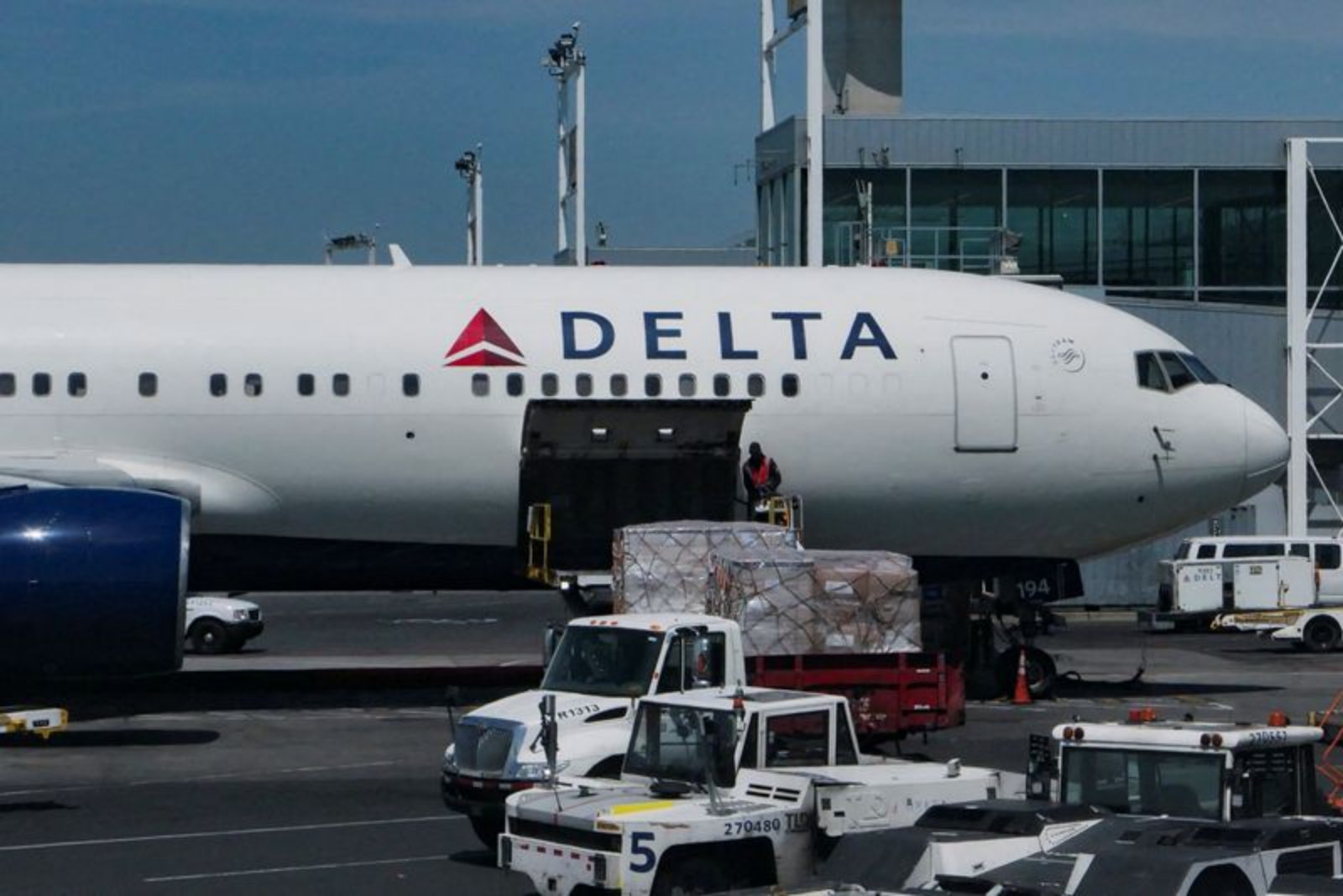
Delta Air Lines said on April 7 that it will raise fees for checked baggage on domestic routes and select short-haul international flights, marking the first domestic baggage-fee increase in two years. The move comes as airlines confront sharply higher jet fuel prices after disruptions in the Strait of Hormuz and related strikes in February, and follows similar actions by United Airlines and JetBlue Airways.

Key Points

  • Delta will raise checked-bag fees on domestic and selected short-haul international routes; first and second checked bags increase by $10 each, and a third checked bag by $50, making fees $45, $55 and $200 respectively.
  • The fee changes are the first domestic baggage-fee increase at Delta in two years and follow similar steps by United Airlines and JetBlue Airways; airlines are adjusting pricing as jet fuel costs surge.
  • Jet fuel prices, which had averaged about $85 to $90 a barrel before U.S. and Israeli strikes on Iran in February, have risen to roughly $209 per barrel globally according to IATA; Delta maintains a subsidiary-owned refinery in Pennsylvania with capacity of about 190,000 barrels per day that supplies nearly three-quarters of its fuel needs, but remains exposed to crude price spikes.

April 7 - Delta Air Lines announced on Tuesday a rise in fees for checked luggage on domestic flights and certain short-haul international services, a step the carrier said is intended to help offset soaring jet fuel costs tied to escalating tensions in the Middle East.

The change represents Delta's first increase to domestic checked-bag charges in two years and echoes recent moves by peers United Airlines and JetBlue Airways. Airlines globally have faced sharply higher fuel expenses that have elevated operating costs and squeezed profit margins after disruptions to the Strait of Hormuz, a vital oil shipping corridor.

Delta said fees for the first and second checked bags on bookings made on or after Wednesday will rise by $10 each, while the charge for a third checked bag will increase by $50. That will bring the fee for a first checked bag to $45, a second checked bag to $55, and a third to $200.

Delta noted that benefits tied to its frequent-flyer programs, premium fares and co-branded credit cards will remain unchanged, and there will be no modification to baggage fees on long-haul international routes.

The airline emphasized that, unlike some rivals, it has an owned-refinery buffer: a subsidiary-operated facility in Pennsylvania with capacity of about 190,000 barrels per day that provides nearly three-quarters of Delta's fuel needs. Despite that internal supply, the company remains exposed to spikes in crude oil prices.

The price environment for jet fuel has shifted dramatically. Jet fuel, which had averaged about $85 to $90 a barrel before U.S. and Israeli strikes on Iran in February, has climbed to around $209 per barrel globally, according to the International Air Transport Association. Those increases are linked in the airline industry to interruptions in shipments through the Strait of Hormuz.

Delta's fee adjustments come as carriers seek additional revenue levers to manage an operating-cost backdrop that has tightened margins across the industry. The carrier's specific baggage-fee increases mirror a broader pattern of airlines responding to elevated energy prices and the resulting cost pressures.


Impacted sectors: Airlines, travel services, and energy

Risks

  • Persistently elevated jet fuel prices are driving up operating costs and squeezing margins across the airline sector, reducing profitability for carriers.
  • Geopolitical tensions and disruptions to oil shipping through the Strait of Hormuz have contributed to the global fuel-price surge, creating uncertainty for energy and transportation markets.
  • Despite Delta's refinery ownership providing a partial buffer, the carrier remains vulnerable to spikes in crude oil prices, exposing airlines to volatility in fuel costs.

More from Stock Markets

Apple Shares Fall After Reports of Foldable iPhone Engineering Setbacks and App Store Slowdown Apr 7, 2026 BofA: US Economy Now Less Vulnerable to Oil Shocks Than Europe Apr 7, 2026 Humana Shares Jump After CMS Finalizes Stronger-Than-Expected 2027 Medicare Advantage Rates Apr 7, 2026 AstroNova Shares Surge After Board Launches Strategic-Alternatives Review Apr 7, 2026 Barclays Sees Muted Market Volatility Ahead of Iran Ceasefire Deadline Apr 7, 2026