
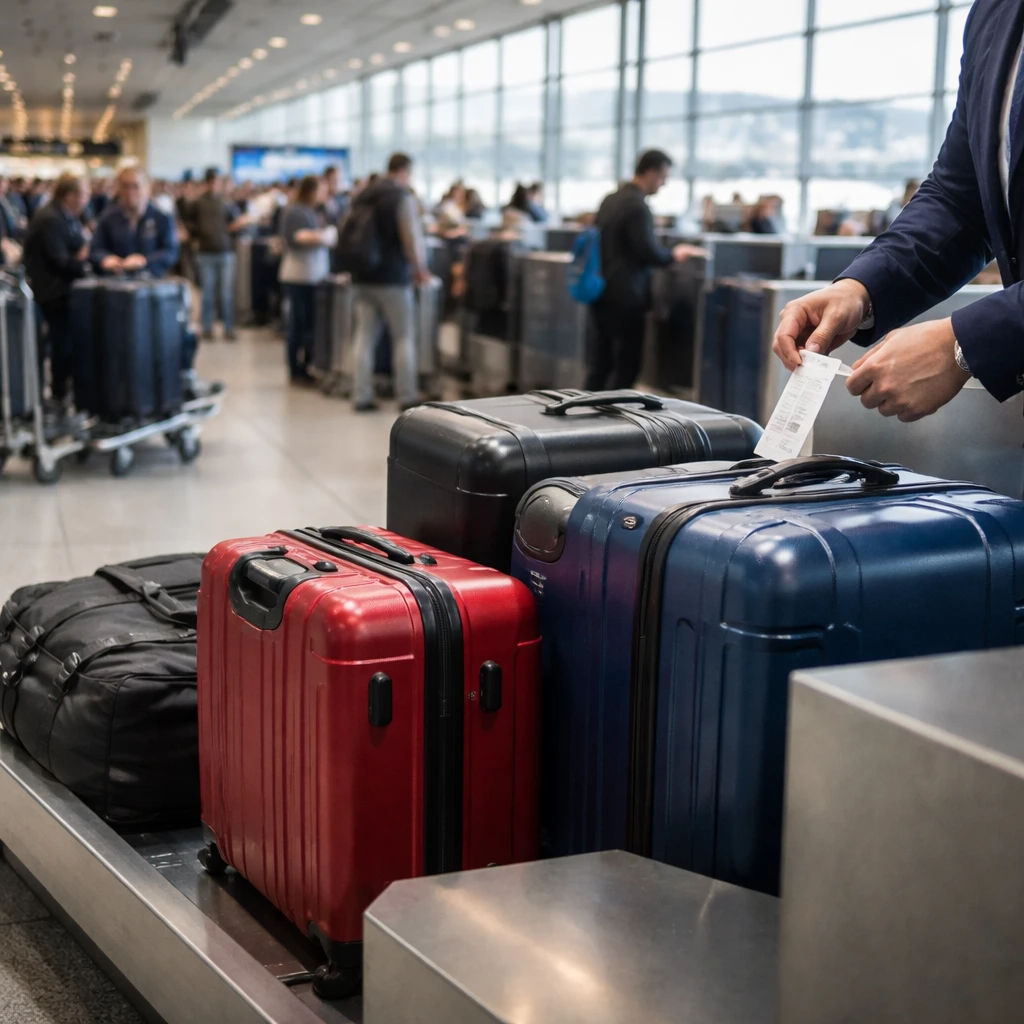
Delta Air Lines (NYSE:DAL) announced on Tuesday that it will raise checked baggage fees for travel on domestic flights and selected short-haul international routes. The airline said this is its first increase in domestic checked baggage charges in two years and comes amid broader industry responses to rising jet fuel expenses.
Under the new fee structure, bookings made on or after Wednesday will see the cost for a first checked bag move up by $10 and the second checked bag also increase by $10. The third checked bag will carry a larger jump, rising by $50. That sets the updated fees at $45 for the first checked bag, $55 for the second, and $200 for the third.
Delta noted the change as part of adjustments many carriers are implementing to manage higher operating costs. The airline's announcement comes after similar fee actions by United Airlines (NASDAQ:UAL) and JetBlue Airways (NASDAQ:JBLU), which have also changed pricing to address cost pressures.
Airlines worldwide have been confronting sharply higher fuel prices, the company said, which have increased operating expenses and pressured profit margins. The rise in fuel costs has been linked in industry statements to escalating tensions in the Middle East that disrupted traffic through the Strait of Hormuz, an important corridor for oil shipments.
By targeting ancillary revenue streams such as checked-baggage charges, airlines are seeking to offset elevated fuel outlays without altering base fares, a strategy reflected across multiple carriers. The explicit increases in per-bag fees will apply to eligible bookings made from Wednesday onward; the company did not provide additional changes to other ancillary fees in its announcement.
The decision highlights how fluctuations in global energy markets and geopolitical tensions can translate into higher costs for airlines and, ultimately, consumers who check luggage. The fee increases are one response among several that carriers have enacted as they contend with an environment of greater fuel price volatility and margin compression.
Clear summary
Delta is increasing checked-bag fees by $10 for the first and second bags and $50 for the third on domestic and select short-haul international routes for bookings made on or after Wednesday, raising the fees to $45, $55 and $200 respectively. This marks Delta's first domestic baggage fee increase in two years and follows similar moves by United and JetBlue as the airline industry deals with higher jet fuel costs tied to Middle East tensions that disrupted the Strait of Hormuz.