
Corning's (NYSE:GLW) shares rose 6% on Tuesday after CNBC reported that Meta Platforms (NASDAQ:META) plans to invest as much as $6 billion in Corning's fiber-optic cable technology through 2030. The reported commitment is targeted at supporting Meta's rapidly growing AI data center infrastructure.
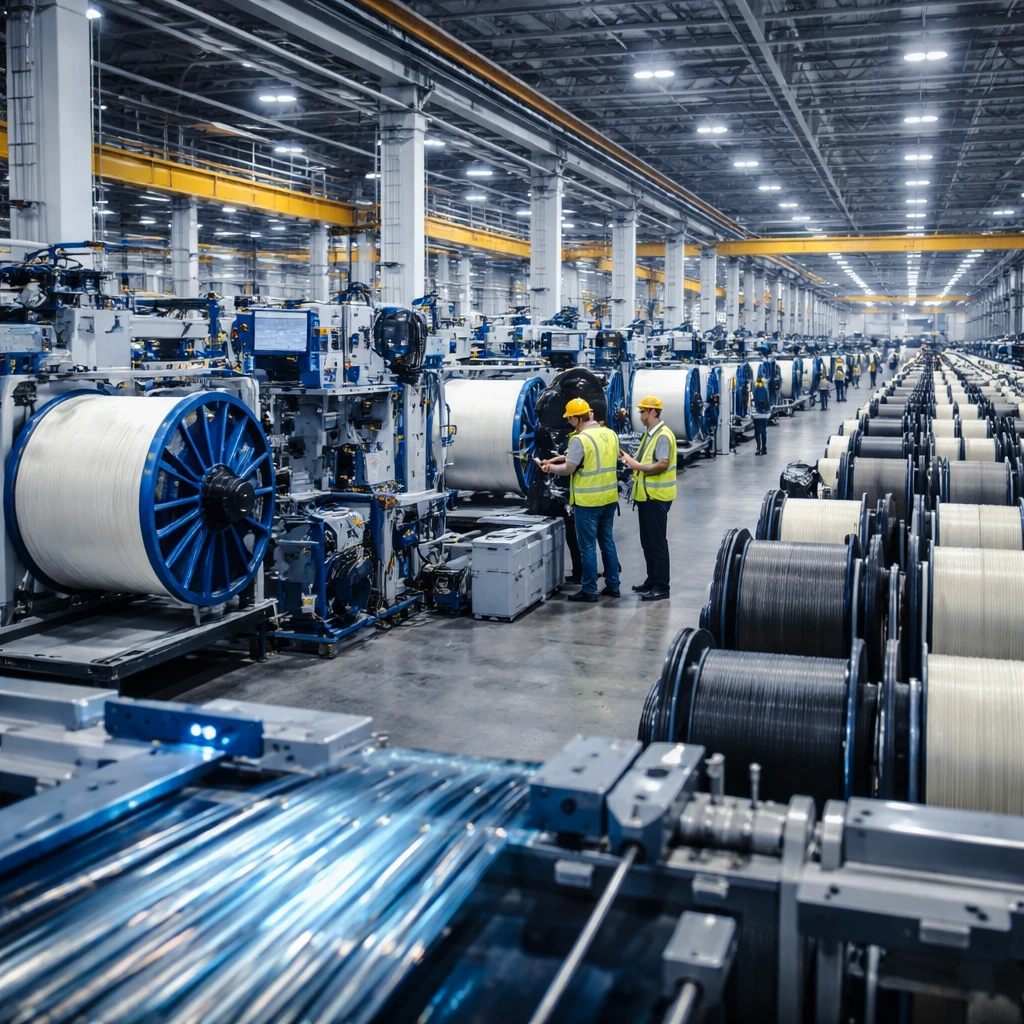
Corning's chief executive, Wendell Weeks, revealed the reported investment in an interview filmed at the company's factory in Hickory, North Carolina. The facility is undergoing expansion to increase output of fiber-optic cable products to meet heightened demand from large technology companies building cloud and AI infrastructure.
"Next year the hyperscalers will be our biggest customers," Weeks told CNBC, using the term commonly applied to major cloud and AI infrastructure builders. The 175-year-old glass and materials manufacturer has positioned its fiber-optic technology as a key input for the data center buildout driven by generative AI and other capacity-intensive applications.
Corning's stock has rallied more than 75% over the past year amid rising demand for its fiber-optic products from a range of large technology firms. The article notes this demand has come from companies including Meta, Nvidia, OpenAI, Google, AWS, and Microsoft, all of which have been expanding investments in AI data centers.
The Hickory expansion is intended to scale production substantially. Corning says when the project is completed it will be the world’s largest fiber-optic cable plant, supporting what the company describes as the trillion-dollar industry buildout of AI infrastructure.
Market reaction to the CNBC report was immediate for Corning stock, while the reported arrangement underscores the link between hyperscaler capital expenditures for AI capacity and suppliers of specialized infrastructure components. Corning's manufacturing expansion and the reported multi-year investment from Meta highlight the concentrated nature of demand from large cloud and AI customers and the industry's push to secure supply to support rapid data center growth.
Sectors affected: telecommunications equipment manufacturers, data center infrastructure suppliers, and large cloud/AI service providers.