
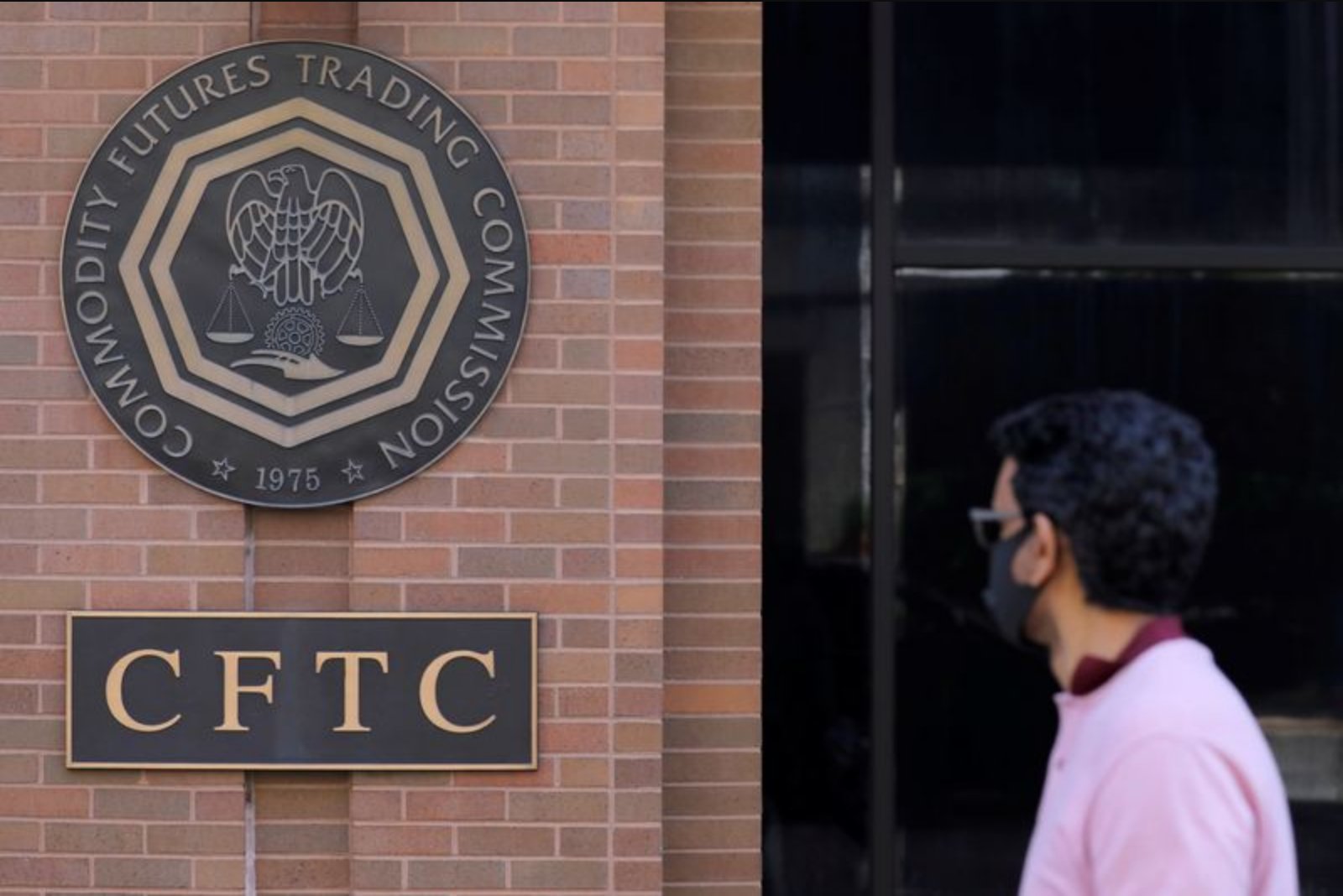
WASHINGTON, Jan 29 - The Commodity Futures Trading Commission plans to develop formal regulations for the growing market in event contracts, the agency's new chairman said on Thursday. The rules are intended to clear regulatory uncertainty for platforms that facilitate wagers on political outcomes and sports events.
Michael Selig, who recently assumed leadership at the CFTC, made the announcement during a joint public discussion with Paul Atkins, chair of the Securities and Exchange Commission. Alongside the pledge to write event-contract rules, the two agency heads said they would jointly pursue "Project Crypto," described as an SEC initiative to develop a regulatory framework for the digital assets industry.
The CFTC also intends to withdraw a previously floated rule proposal that would have prohibited event contracts. Selig characterized the agency's existing regulatory structure as difficult to apply to these markets and said it has failed market participants. "For too long, the CFTC’s existing framework has proven difficult to apply and has failed our market participants. That is something I intend to fix by establishing clear standards for event contracts that provide certainty to market participants," he said in a speech.
Supporters of a tailored regulatory approach argue a defined pathway will let firms that run prediction markets operate under clearer standards rather than remain in legal limbo. Critics counter that contracts tied to political outcomes or sporting events effectively amount to gambling and should be barred.
Major operators named in public discussion of the market include Kalshi and Polymarket. The announcement follows recent legal battles between federal and state regulators and prediction-market operators that have sought to limit or prevent unregulated wagering. A Massachusetts judge last week ruled that Kalshi may not offer sports betting in the state through its online portal, granting a request from the state attorney general.
The CFTC's move to pursue dedicated rules, and to withdraw the earlier proposal that would have banned event contracts, signals a shift toward creating a regulated route for political and sports-related contracts. At the same time, the agencies' public note that they will jointly take on Project Crypto underscores parallel regulatory efforts in the digital asset space.
How these new CFTC standards will be structured, and the timeline for issuing them, was not specified during the discussion. The announcement does, however, make clear the agency plans to replace the previous, more prohibitive proposal with a rule set intended to provide legal clarity to market participants while the broader debate over gambling versus regulated market instruments continues.