
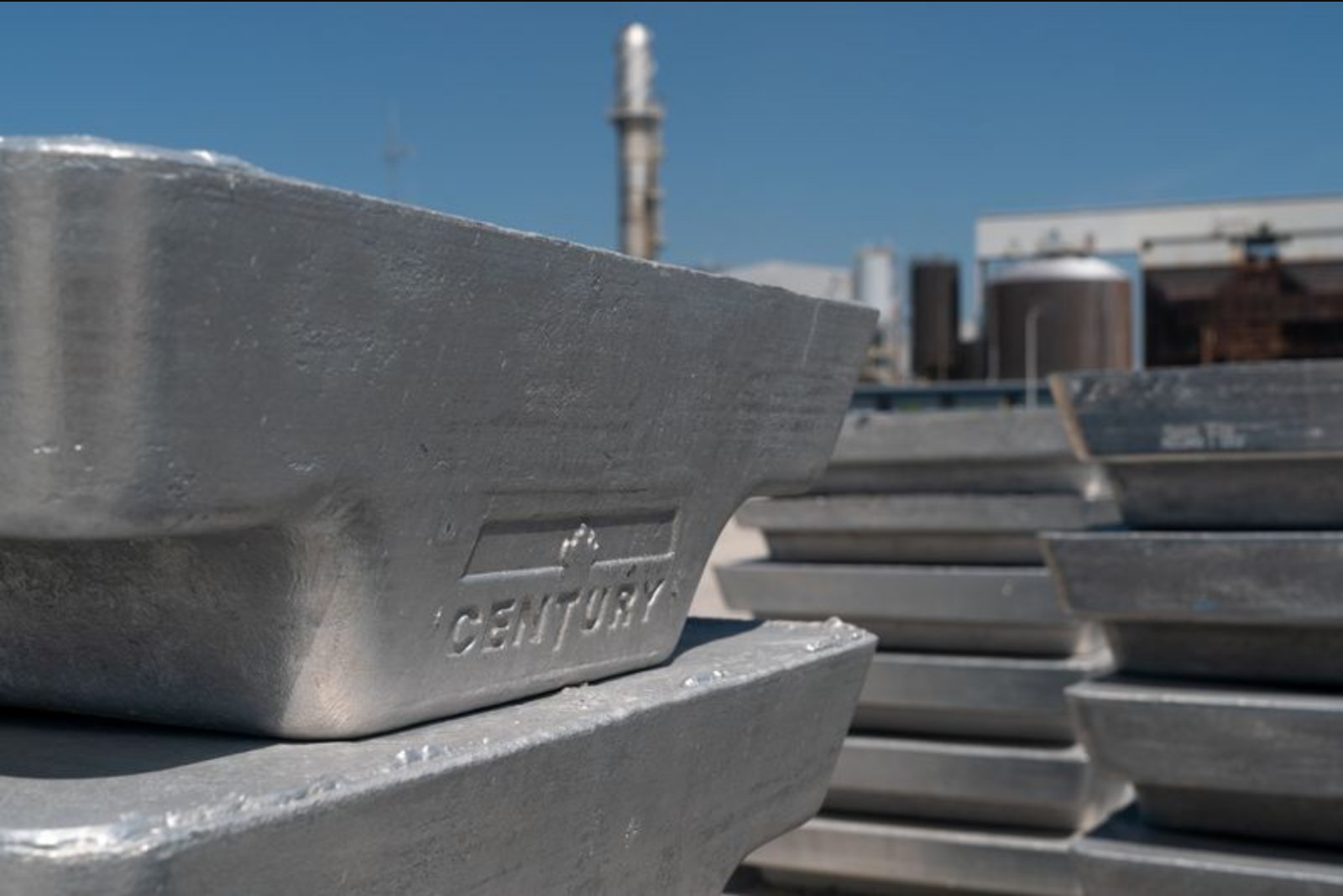
Century Aluminum agreed to acquire a 40% ownership share in a joint venture with Emirates Global Aluminium (EGA) to build a primary aluminium smelter in Inola, Oklahoma, the companies said. EGA will retain a 60% stake in the venture.
The partners have increased the plant's planned capacity to 750,000 metric tons of aluminium per year, up from an earlier plan of 600,000 tons per year. At that level, the smelter's output would more than double current U.S. production of primary aluminium, according to the companies' announcement.
Jesse Gary, CEO of Chicago-based Century, framed the expansion as strategically important for a range of industries, saying: "Key industries, such as automotive, aerospace, construction, packaging and importantly, national defense, stand to benefit greatly from this expanded production of this critical metal."
According to the companies, construction of the project is expected to commence by the end of this year, with production anticipated to begin by the end of the decade. The project is projected to create 1,000 permanent jobs at the Oklahoma site and to support approximately 4,000 construction jobs while the facility is being built.
The joint-venture arrangement sets Century as a significant minority owner with operational and strategic interests tied to the smelter's development and eventual output. EGA will remain the majority owner with 60% of the venture.
The partners originally announced plans to build the smelter in Inola in May 2025; the recent agreement between Century and EGA formalizes Century's 40% participation and the updated capacity target. The timeline provided by the companies places construction start within months and production several years out, with job creation estimates tied to those milestones.
This investment represents a major expansion in U.S. primary aluminium capacity and a rare large-scale greenfield project in the sector, given the companies' statement that it would be the first primary aluminium smelter built in the United States in almost 50 years.
Implications for markets and industry
The enlarged capacity and the formalized ownership split have direct relevance to sectors that rely on primary aluminium as a material input. The companies highlighted automotive, aerospace, construction, packaging and national defense as industries expected to benefit from increased domestic supply.
For labor markets in the Inola area and broader construction services, the project represents a near-term source of jobs tied to the buildout and a longer-term employer at the operational stage.