
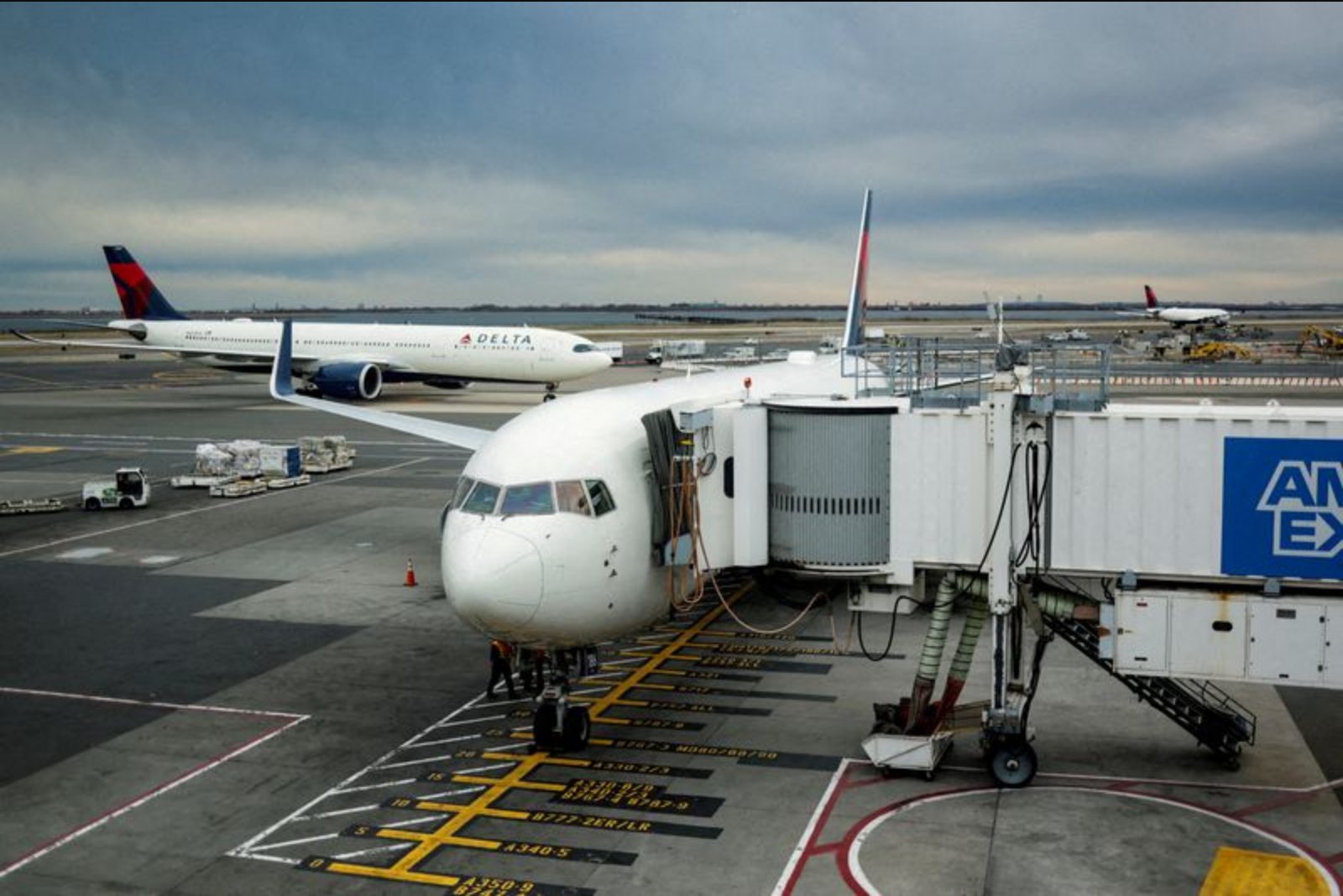
Executives in the global aviation industry said on Wednesday that a two-week ceasefire agreed with Iran will not immediately resolve the severe fuel and operational disruptions that have battered carriers. While airline shares climbed on hopes the deal could ease one of the sector's worst crises in years, industry officials cautioned that rebuilding fuel supplies and restoring refining capacity across the Middle East will be a slow process.
Willie Walsh, director general of the International Air Transport Association (IATA), warned that even if the Strait of Hormuz reopens and remains open, supply will not normalize quickly. "If it were to reopen and remain open, I think it will still take a period of months to get back to where supply needs to be given the disruption to the refining capacity in the Middle East," he said.
Fuel and cost pressures
Airlines are confronting sharply higher jet fuel costs and constrained supplies. Delta Air Lines on Wednesday said it expects lower-than-anticipated profit for the June quarter and will reduce capacity to help offset about $2 billion in additional fuel costs it expects to record in the period. The carrier projects average jet fuel expenses of roughly $4.30 a gallon for the June quarter, a rate that is more than double last year’s price.
Fuel, typically the industry's second-largest expense after labour, represents roughly 27% of operating costs for airlines. Jet fuel prices have more than doubled since the conflict began, a rise that has substantially outpaced a roughly 50% increase in crude prices before the ceasefire announcement.
Closure of the Strait of Hormuz by Iran choked global fuel flows and forced airlines to take a range of operational measures, including raising fares, cutting flights, adding refuelling stops and carrying extra fuel. Some carriers have suspended services to and from Gulf destinations - a region that serves as a crucial transit hub between Europe and Asia - citing safety concerns.
Market reaction and supply outlook
Oil prices fell below $100 per barrel after U.S. President Donald Trump said he had agreed to a two-week ceasefire with Iran, contingent on the strait’s immediate and safe reopening. Still, executives and industry analysts stressed that the fall in crude does not erase the immediate operational and supply challenges facing airlines.
European carriers and industry bodies are actively assessing jet fuel inventories with suppliers and airports. Airlines for Europe - whose members include Ryanair, Lufthansa and British Airways-owner IAG - said it was "too early to tell" how quickly supply could recover.
An EU coordination group on oil reported after a meeting on Wednesday that it saw no immediate risk to oil supply for April. That assessment, however, sits alongside continuing reports of attacks in the Gulf despite the ceasefire announcement.
Continuing attacks and infrastructure damage
Officials reported ongoing strikes and damage across Gulf states. The Kuwaiti army said it had faced intensified Iranian attacks since early Wednesday. Drone strikes have inflicted extensive material damage on oil infrastructure, power plants and water desalination facilities. The United Arab Emirates reported it was dealing with Iranian missile and drone attacks, while Bahrain said an Iranian attack damaged houses in the Sitra area.
These incidents feed into industry concerns that even an opened shipping lane will not immediately translate into plentiful or affordable jet fuel, given damage to refining and related infrastructure.
Stocks rally but tourism recovery remains slow
Equity markets reacted positively to the ceasefire news, with airline and travel stocks among the day's leaders. Qantas shares jumped more than 9%, Air New Zealand rose over 4%, Cathay Pacific gained 5% and IndiGo climbed 8%. European travel and airline stocks also advanced: TUI surged more than 12%, Air France-KLM rose around 14%, Lufthansa gained about 11% and Wizz Air added 10%. U.S. airline shares similarly saw gains.
Analysts noted that the ceasefire created "a buying opportunity for quality airlines," in the view of Panmure Liberum. Still, operational disruptions and damage leave many travel and tourism businesses facing a prolonged recovery.
TUI said two of its cruise ships, which have been stranded in Abu Dhabi and Doha since the conflict began, would require at least four weeks to return to service once conditions permit.
Oxford Economics economist Aaron Goldring estimated that the Middle East's $367 billion tourism industry could need months to rebound even under a best-case scenario. He said: "You basically have a tail of around seven months post ceasefire of sentiment impact," noting that public perceptions of safety will likely return only gradually.
Implications for carriers and travel operators
While markets cheered the ceasefire, carriers face near-term decisions on capacity, pricing and routes as they balance revenue recovery against sharply higher fuel bills and potential limitations on available jet fuel. Tour operators and cruise lines that relied on Gulf ports and transit hubs will also confront logistical delays and reputational recovery as travellers wait for clearer signs of stability.
The immediate picture is one of tentative market optimism tempered by operational realities. Restoring refining output, repairing damaged infrastructure, and rebuilding traveller confidence will all take time, meaning the aviation and tourism sectors are likely to see an extended period of elevated costs and disrupted service even if hostilities pause.