
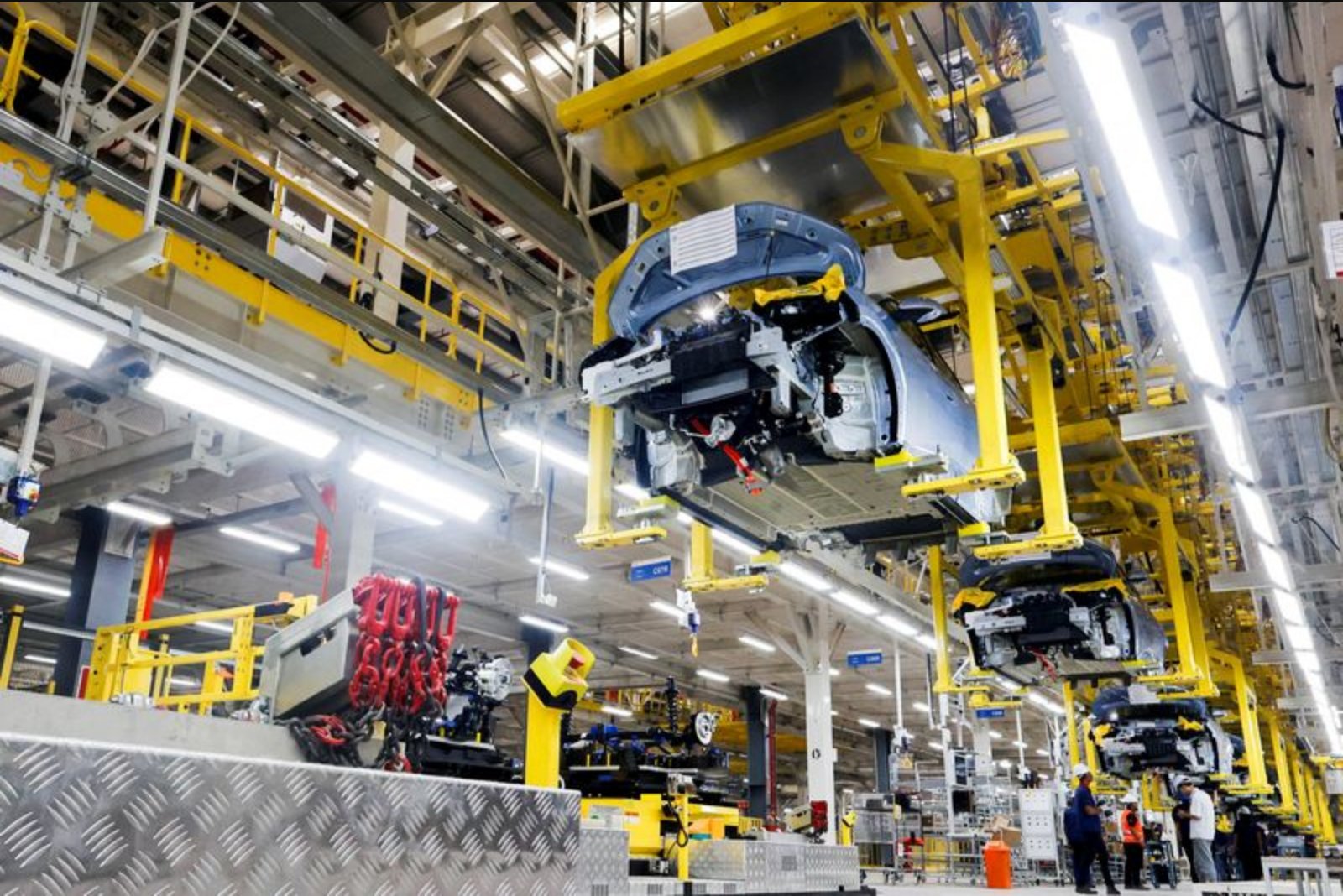
RIO DE JANEIRO, April 13 - Brazil's secretary of labor inspection, Luiz Felipe Brandao de Mello, has been dismissed from his position after adding Chinese electric vehicle maker BYD to the country's registry of employers accused of subjecting workers to conditions the government characterizes as similar to slavery, according to people close to the matter.
Those sources said Mello acted contrary to an instruction from Labor Minister Luiz Marinho, who told him not to include BYD on the so-called labor abuse "dirty list." The firing was formalized in Monday's official gazette and marks a new escalation in an ongoing dispute between President Luiz Inacio Lula da Silva's administration and the corps of labor inspectors that operate with traditional independence when investigating severe labor violations.
Sequence of events and legal action
Under government rules, the labor abuse registry must be updated every six months; the current update cycle carried a deadline of April 6. Sources say Marinho instructed Mello to refrain from placing BYD on the list, without citing a technical reason for the direction. Two days after the deadline, a court granted BYD an injunction removing it from the list. A final judicial ruling on the matter remains pending.
The dispute follows a 2024 incident in which 163 Chinese workers employed by a contractor were found by Brazilian authorities to be working on BYD's flagship factory under conditions described as "slavery-like." That earlier case delayed construction for months and damaged BYD's reputation in Brazil, which the company regards as its largest market after China. BYD has previously said it was unaware of any violations until reports surfaced in late 2024.
Institutional reaction
The national association of labor inspectors, Anafitra, publicly criticized Mello's dismissal. In a statement, Anafitra said the removal weakens Brazil's ability to address labor abuses and reduces the effectiveness of the registry, which inspectors view as a powerful enforcement tool when used against employers accused of severe violations.
"The dismissal of the secretary signals an escalation of political interference in labor inspections," Anafitra said, according to a copy of the association's statement provided by sources familiar with the matter.
Broader context within the ministry
The BYD episode is not the first time the Labor Ministry has been accused of intervening in inspectors' work to prevent large firms from being added to the registry. In the previous year, Labor Minister Marinho reportedly conducted final reviews of inspectors' investigations and barred the inclusion of several companies, among them a division of Brazilian meatpacker JBS. One source said Mello had objected to those interventions, and that his refusal to comply with the instruction in the BYD case was viewed as the tipping point by ministry leadership.
Beyond reputational consequences, companies placed on the labor abuse list face practical penalties: they are barred from obtaining certain types of loans from Brazilian banks. How Mello's dismissal will affect future inspections, list updates, or pending investigations remains unclear while the ministry and Mello have not responded to requests for comment.