
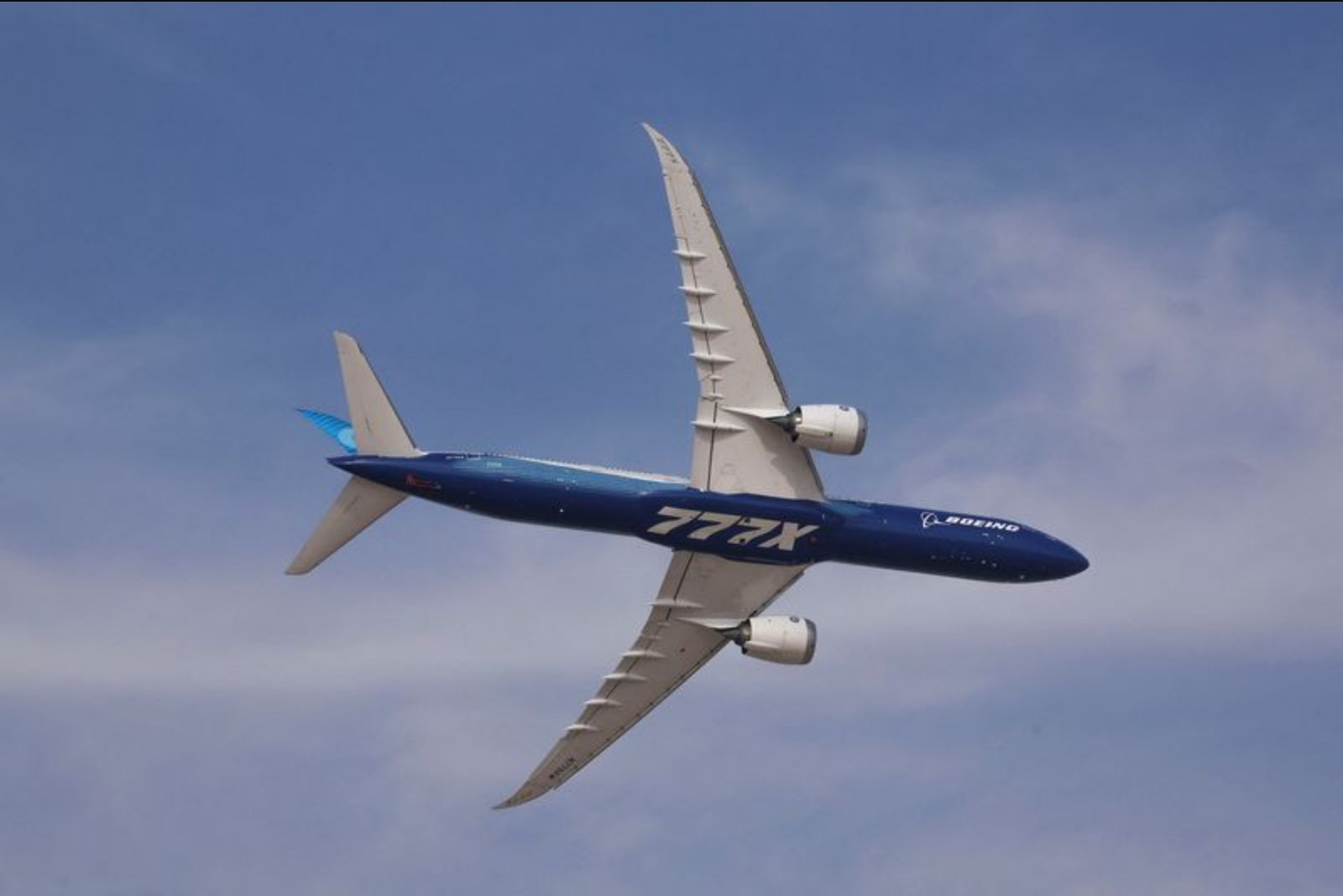
Boeing has set a target for the first flight of a production 777X in April, according to a company document that outlines upcoming testing milestones. The document indicates fuel testing is currently under way at Paine Field in Everett, Washington, where the company assembles the widebody jet, with engine tests planned for later in the month.
The aircraft undergoing fuel checks was observed at one of Boeing's fuel docks at Paine Field on Tuesday. The company is preparing both ground and engine runs as part of a broader campaign intended to support certification and eventual delivery of the new jet.
The 777X development program has been subject to significant financial and schedule setbacks. Boeing has recorded $15 billion in charges related to the program, which is running approximately six years behind its original timetable. While Boeing's 777X test fleet has accumulated more flight hours than any other program at the company, regulators have not yet granted certification.
Federal Aviation Administration certification requires testing that, in part, must be conducted using a production airplane configured as if ready for delivery. The company document notes that, in addition to aircraft dedicated to flight testing, some production airplanes will participate in testing activities that do not require equipment or instrumentation unique to the flight-test fleet. A Boeing spokesperson provided that explanation and the company declined to comment on plans for the specific aircraft referenced in the document.
Lufthansa remains the customer tied to the aircraft undergoing tests; the carrier ordered the 777-9 in 2013, the same year Boeing launched the 777X program, according to aviation data analytics firm Cirium. The 777X is positioned as the successor to both the 747 and the 777 and complements the smaller 787 Dreamliner as part of Boeing's widebody lineup for long-haul travel. The segment has become more contested in recent years with increased pressure from Airbus.
Last week, Boeing's chief executive, Kelly Ortberg, disclosed a potential new issue involving the 777X engines supplied by GE Aerospace. Company statements indicate that the newly identified engine matter is not expected to alter Boeing's plan to deliver the first 777X next year.
Contextual note: The company's document frames upcoming ground and engine tests as steps toward satisfying regulatory requirements and advancing toward first delivery of a production 777X.