
Revised GDP figures published by the Bank of Korea on Tuesday indicate South Korea's economy expanded faster in the first quarter than initially reported. On a quarter-on-quarter basis, gross domestic product rose 1.8% in January-March, up from the 1.7% advance the bank released in April. The annual growth rate was also adjusted higher to 3.8% from the prior 3.6% estimate.
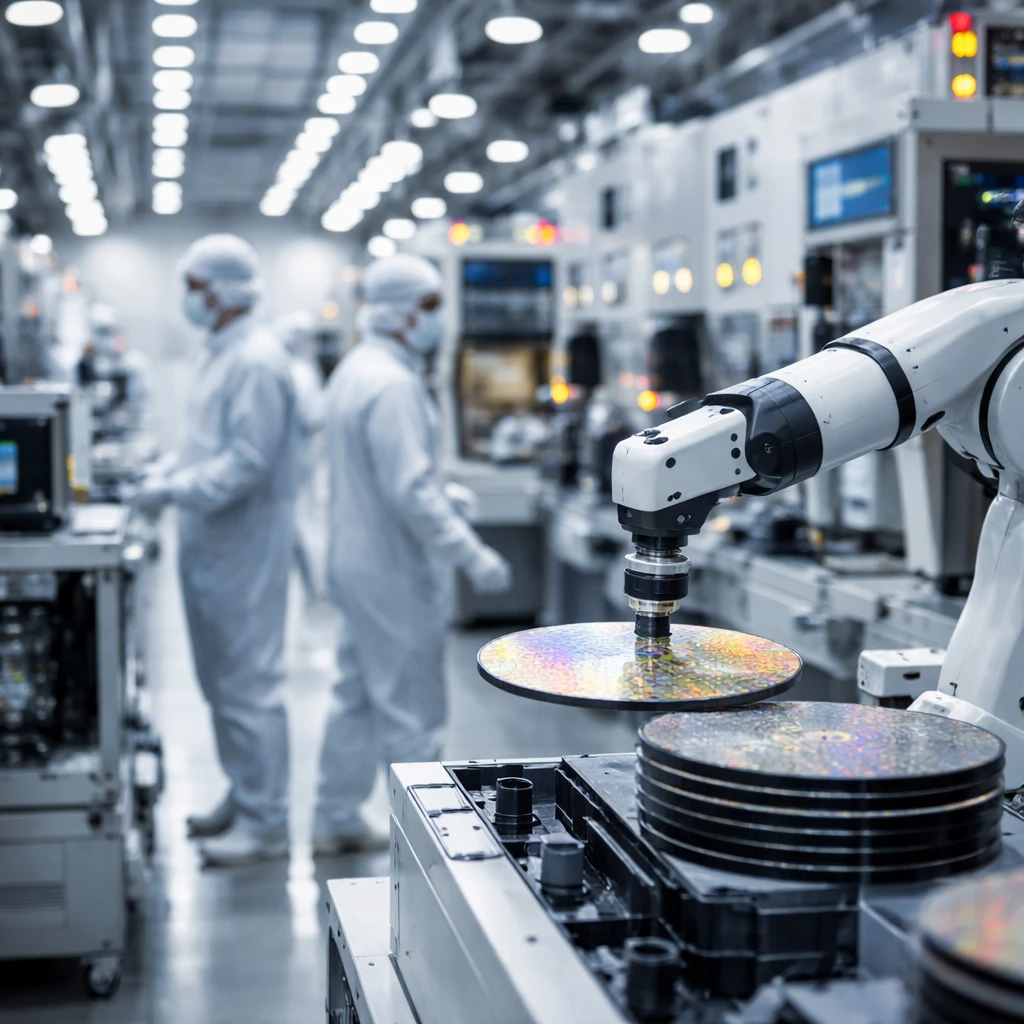
The Bank of Korea attributed the upward revision primarily to stronger outbound shipments of semiconductors, electronics and data center equipment. The central bank's statement highlights resilient demand coming from the artificial intelligence industry as a key factor underpinning those export categories.
Officials noted that the improved growth profile provides the central bank with greater flexibility to raise interest rates later in the year. That option exists alongside a clear acknowledgement of an emerging inflationary risk: rising energy-driven price pressures linked to the Gulf war, which the Bank of Korea has flagged as a growing concern.
Summary
Bank of Korea revisions show Q1 GDP at 1.8% quarter-on-quarter and 3.8% year-on-year, supported by exports in semiconductors, electronics and data center equipment driven by robust AI-related demand. The stronger data offers the central bank scope to consider policy tightening while it monitors energy-related inflation risks stemming from the Gulf war.
Key points
- Quarterly GDP revised up to 1.8% from an earlier 1.7% estimate.
- Annual growth raised to 3.8%, up from a prior estimate of 3.6%.
- Exports of semiconductors, electronics and data center equipment, supported by demand from the AI industry, were the main drivers of the revision.
Risks and uncertainties
- Rising energy-driven inflation tied to the Gulf war represents a clear downside risk highlighted by the central bank.
- Potential for interest-rate increases later in the year as policymakers react to stronger growth could affect borrowing costs and financial conditions.
These results underline the central role of high-tech exports in the near-term performance of Asia's fourth-largest economy, while also showing how external energy pressures and monetary policy responses remain central uncertainties for markets and corporations exposed to South Korean activity.