
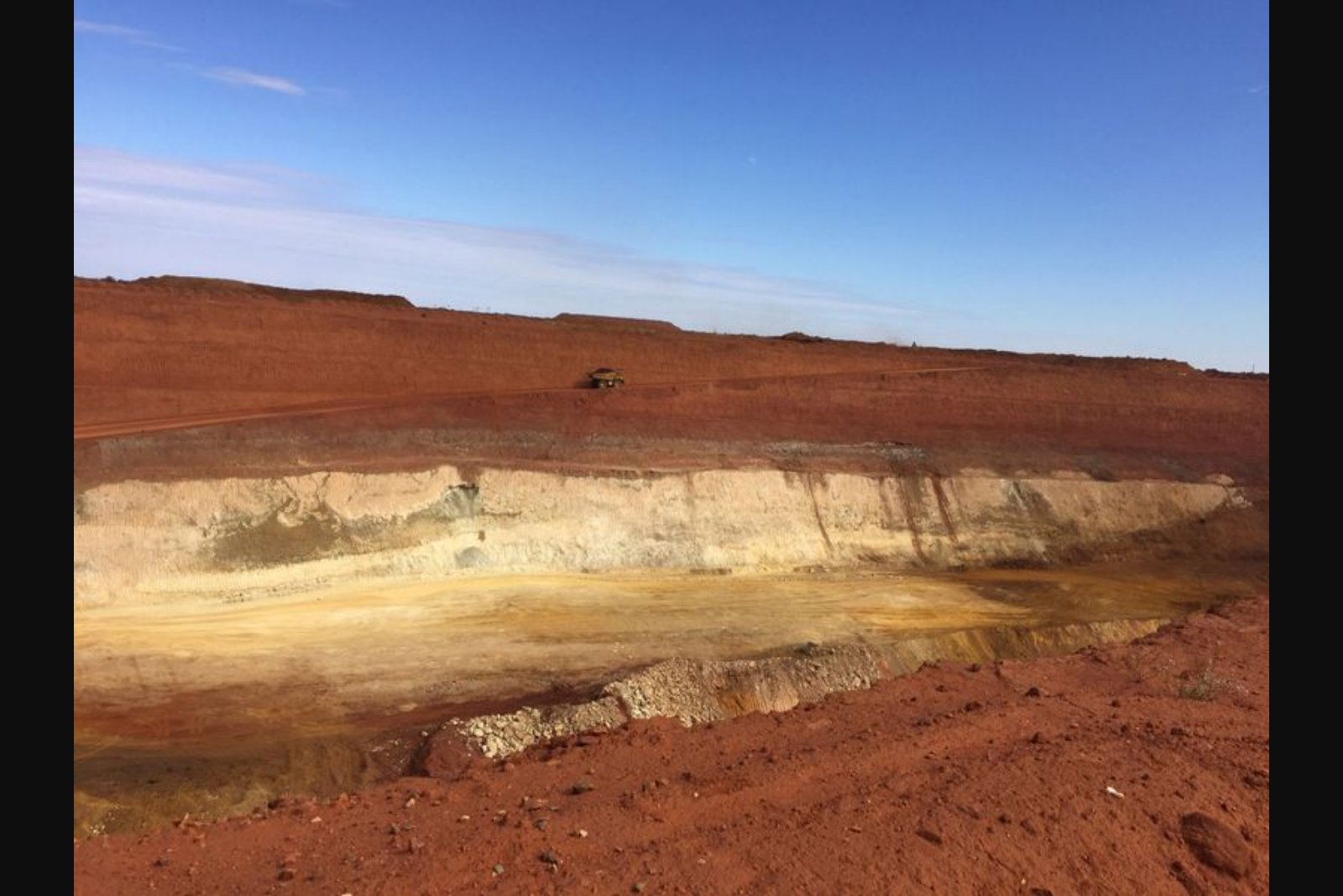
Australia moved to reassure markets and industry on Friday that its work to secure critical minerals will continue, after reports emerged that the United States had retreated from plans to underwrite a minimum price for such projects.
Equity markets reflected the uncertainty. Shares in Australian rare earth miners dropped sharply on Thursday after news of the U.S. policy backdown surfaced, and the sector remained lower on Friday. Lynas, the world’s largest rare earths producer outside China, was trading down by more than 4%.
According to industry briefings, the U.S. reversal was communicated to U.S. mining executives by administration officials and pointed to a lack of congressional funding for price floors as well as the complications inherent in setting market pricing for these commodities. Those developments have left some market participants reassessing policy-driven support for new projects.
Despite the change in U.S. approach, Resources Minister Madeleine King told Sky News that Canberra would not be deterred from its plans. "That 'won’t stop Australia (from) pursuing our critical minerals strategic reserve programme to make sure Australia has access to the resources it needs to build a future made in Australia,'" she said. King added that Australia would watch how the U.S. situation unfolded, noting: "We know from what we’ve seen in reports and we will let that play out ... the U.S. has introduced a price floor for one particular project and that’s the only one it has done it for, and that was a game-changer."
Australia has been positioning itself as an alternative source of critical minerals to China - the world’s largest producer - with targeted applications in automotive and defence supply chains. As part of that positioning, the federal government has proposed a A$1.2 billion strategic reserve, equivalent to about $840 million using the exchange rate of $1 = 1.4278 Australian dollars.
The planned stockpile will prioritise antimony, gallium and rare earth elements, and officials expect the reserve to be assembled and operational by the second half of 2026. The government has also signalled it is exploring mechanisms to support domestic projects, including the possibility of setting a price floor to underpin investment.
On the mechanics of supporting local supply, King described a toolkit of interventions: "We'll have a number of mechanisms, a floor price will be one through offtake agreements," she said. She stressed fiscal responsibility in deploying public funds, adding: "We are determined to make sure there is value for taxpayer money in the reserve and in any floor price."
Market context and next steps
The immediate market reaction - pronounced weakness in rare earth stocks following the policy reversal reports - highlights how closely miners and investors are watching government interventions. Canberra's stated timetable for the strategic reserve and the potential use of offtake agreements as a support mechanism offer a domestic response to supply-chain risk without committing to an immediate guaranteed price across projects.
How policy specifics are finalised - including the scope of any domestic price support and the operational details of the reserve - will be closely watched by mining companies, investors, and downstream industries reliant on these materials.