
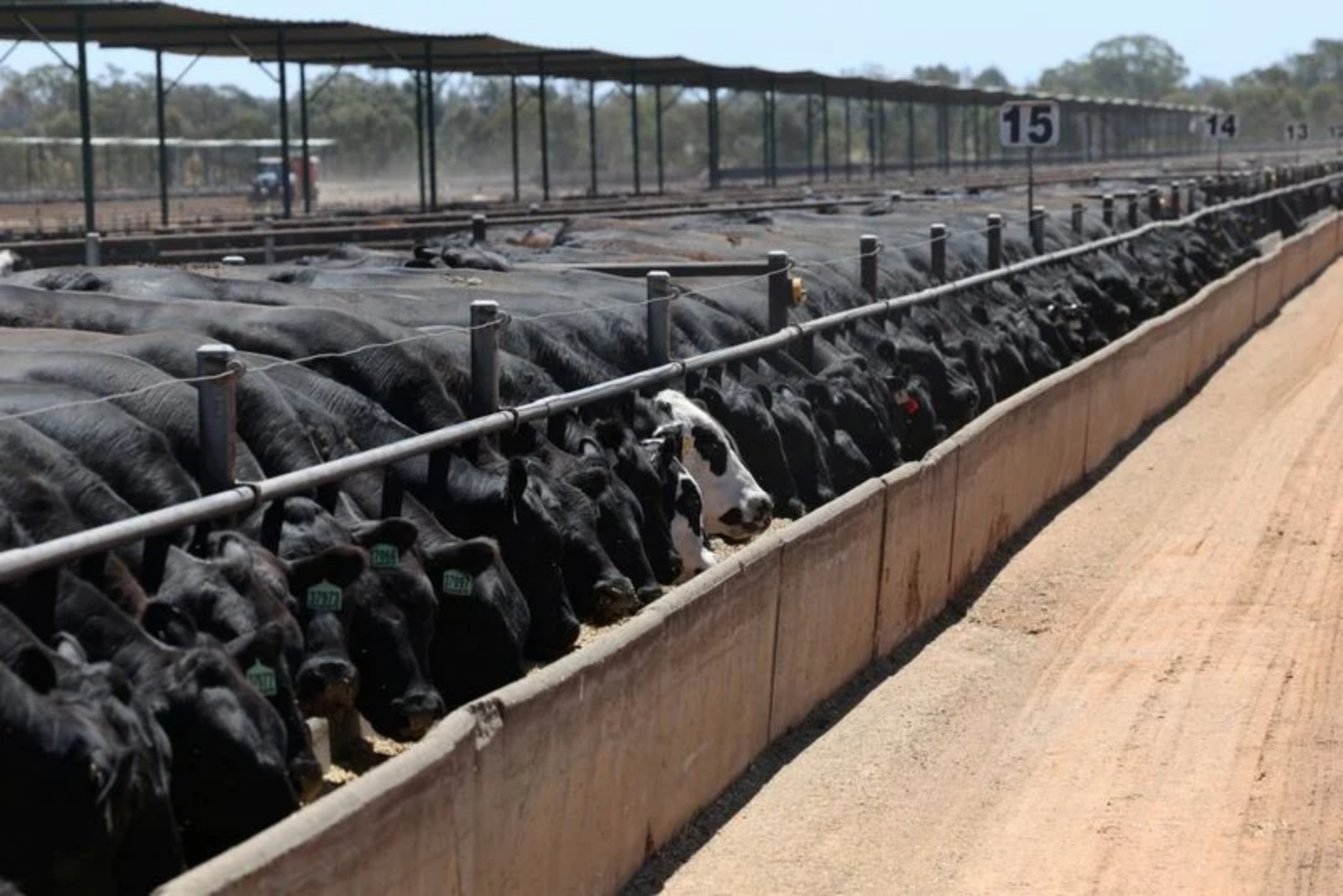
Key development - Australia has already exhausted its annual beef quota for shipments to China, while Brazil is approaching its own quota ceiling, according to a report from Argentina's Rosario exchange. If both exporters hit their caps, they could be unable to send more beef to China for the rest of 2026.
Market backdrop - The report highlights a split in export strategies among suppliers earlier this year. Australia and Brazil moved aggressively in the opening months, ramping up shipments in expectation that China might loosen import rules or expand quotas later on. Other producers - including Argentina, Uruguay and New Zealand - paced exports more cautiously, anticipating that tighter availability later in the year could support higher prices.
Lobbying and policy context - Both Australia and Brazil repeatedly lobbied Chinese authorities in recent months to relax quota limits. That outreach, and the differing export tactics across suppliers, has not produced a clear outcome so far.
Import volumes and prices - China recorded stronger-than-expected beef imports during the first five months of 2026, and prices were higher, even after Beijing implemented a quota system intended to slow import growth and protect domestic producers.
Critical uncertainty - The immediate question for markets and trade participants is whether China will allow out-of-quota beef consignments to be placed into bonded warehouses. If authorities do not permit entry to bonded storage, exporters with remaining quota will likely be advantaged in the months ahead. Conversely, if out-of-quota beef is allowed into bonded warehouses, large exporters that front-loaded shipments - notably Australia and Brazil - could position product later in the year for sale once 2027 quotas open, a dynamic that could exert downward pressure on prices.
Implications - The interaction between quota exhaustion, administrative policy on bonded warehouse access, and the timing of shipments creates a period of heightened uncertainty for beef trade flows and price formation in the second half of 2026. How Chinese authorities rule on bonded storage will be a decisive factor for exporters, buyers and market participants.