
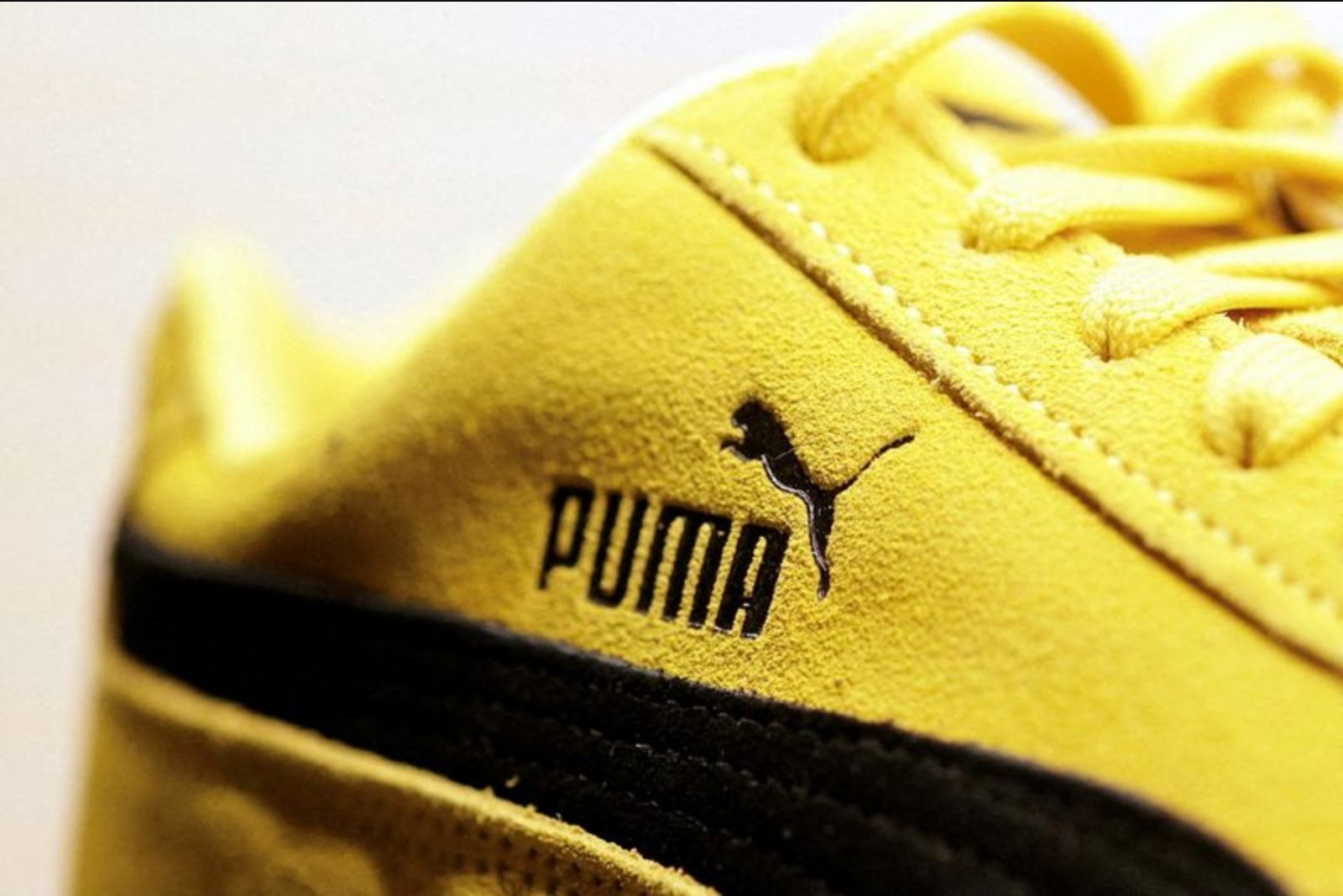
Anta Sports Products, the largest sportswear company in China by market value, said it will acquire a 29.06% stake in Puma for 1.5 billion euros in cash, paying 35 euros per share to Artemis, the Pinault family holding company. The Hong Kong-listed firm, valued at approximately $27.8 billion, will emerge as Puma's largest shareholder if the transaction closes.
Anta framed the purchase as mutually complementary: the company said the tie-up should support Puma's expansion in the lucrative Chinese market while accelerating Anta's efforts to become a more globalised consumer business. The cash offer values Puma at a 62% premium to its closing price of 21.63 euros the previous trading day.
In a public statement, Anta's chair Ding Shizhong said the company believed Puma's recent share price did not reflect the brand's long-term potential and expressed confidence in Puma's management and strategic transformation plans. Citigroup analysts also pointed to Anta's post-acquisition track record and operational capability as reasons to trust it could revitalise Puma.
Market reaction was immediate: Puma's shares moved sharply higher in premarket trading, while Anta's stock ticked up modestly in late afternoon trade. The broader Hong Kong index was also up, but Anta's shares outperformed that benchmark during the session.
Deal mechanics and corporate context
Anta will pay Artemis 35 euros per Puma share in cash for the 29.06% stake, for a total consideration of 1.5 billion euros, equating to roughly $1.8 billion based on the stated exchange reference. Artemis, which also controls the luxury group Kering, has said the Puma holding was non-strategic and the sale is consistent with its plan to focus on controlled assets and redeploy resources into other sectors.
The Pinault family acquired the Puma holding from Kering in 2018 when Kering concentrated on positioning itself as a pure luxury player. Artemis has indicated the disposal will aid in lowering its elevated debt levels.
Anta's global brand footprint and Puma's turnaround challenge
Anta has a record of acquiring and then operationally integrating Western sports and lifestyle brands. Its portfolio already includes Fila, Jack Wolfskin, Kolon Sport and Maia Active, and it is the largest shareholder of Amer Sports, whose brands include Salomon, Wilson, Peak Performance and Atomic. Anta said Puma is a global business that complements these holdings and could elevate its international competitiveness.
For Puma, the capital infusion and new major shareholder come as the German sportswear maker pursues a turnaround under CEO Arthur Hoeld, who took the reins last year. Management has flagged plans to rebuild brand momentum through stronger marketing and product focus, leaner assortments, fewer promotional discounts and cost actions. Earlier steps outlined by Puma include cutting about 900 roles and reducing the breadth of its product range.
Despite those measures, Puma has struggled to regain momentum. Demand has softened and some recent footwear launches, including the Speedcat, did not produce the hoped-for lift in sales. Anta said it would seek seats on Puma's board after the deal closes, while explicitly ruling out a full takeover of the company.
Approvals, timing and conditions
The transaction remains conditional on customary regulatory and antitrust clearances, shareholder approval at Anta, and any required regulatory approvals in China and other jurisdictions where review may be necessary. Anta said it plans to convene an extraordinary general meeting and will aim to complete the deal after all closing conditions are satisfied.
Anta previously pursued similar cross-border acquisitions and noted its successful post-acquisition operational empowerment as a reason for confidence in its ability to support Puma's business. Artemis framed the disposal as consistent with its ongoing strategy of concentrating on controlled assets and reallocating capital to new value-creating areas.
What the deal means for markets and brands
- For Puma, the deal provides a major shareholder committed to supporting its push to regain market traction, especially in China.
- For Anta, the acquisition is a strategic step in building a more global brand portfolio while leveraging its distribution and operational strengths in Asia.
- For Artemis, the sale offers a tool to reduce debt by monetising a non-core position.
Exchange rate reference: ($1 = 0.8421 euros)