
Global carriers are increasingly treating high-speed in-flight Wi-Fi as a core product feature rather than an optional paid add-on, prompting a rush to adopt satellite broadband systems that can deliver multi-megabit speeds across fleets. The result is an intensifying commercial contest between Elon Musk's Starlink service and Amazon's nascent Leo satellite network, with airlines weighing costs, installation timing and long-term service partnerships as they seek to differentiate their onboard experience.
Starlink has emerged as the dominant early mover. Industry intelligence from Valour Consultancy shows Starlink signed 11 new airline customers worldwide so far in 2026, following 22 during 2025 and eight in 2024, up from three in 2022. The service is built on thousands of low-Earth-orbit satellites - a configuration that Ookla has reported delivers speeds multiple times faster than older geostationary systems - and accounts for a substantial share of SpaceX's revenue. In SpaceX's IPO filing, Starlink was credited with generating $11.4 billion of the company's $18.67 billion revenue in 2025.
Amazon, meanwhile, is still completing its Leo constellation and has begun signing airline deals as it builds out those capabilities. The company secured initial agreements with Delta Air Lines and JetBlue Airways, but its rollout faces near-term uncertainty after a Blue Origin rocket failure last month that affected constellation build-out plans.
Commercial choices and installation costs
Installing a satellite broadband system is a material capital expense for carriers, particularly for large fleets. Estimates from Jefferies analysts suggest the cost to equip American Airlines' narrowbody fleet with Starlink could range from $150 million to $250 million for equipment and installation, with annual service fees potentially exceeding $60 million. Airlines also face aircraft downtime for installations and must contend with provider-specific onboard hardware, factors that raise the threshold for switching vendors once a system is in place.
Decius Valmorbida, president of travel at Amadeus, framed the technology as transformational for carriers' product strategies, calling it a "game changer" and saying the capability "is becoming a must-have." Across the industry, executives have signaled a willingness to invest in connectivity as carriers lean on premium ancillary services to bolster margins.
Where airlines stand
Different carriers have taken distinct approaches. Southwest Airlines said it chose Starlink for its "speed to market," while leaving open the possibility of adopting Amazon's Leo service as the airline pushes for top-tier Wi-Fi. Tony Roach, Southwest's chief customer and brand officer, noted "there's multiple ways to get there." Southwest expects its first Starlink-equipped aircraft to be serviceable later this month and has set a target of converting more than 300 aircraft by year-end, though executives stressed the rollout pace depends on Starlink's equipment supply.
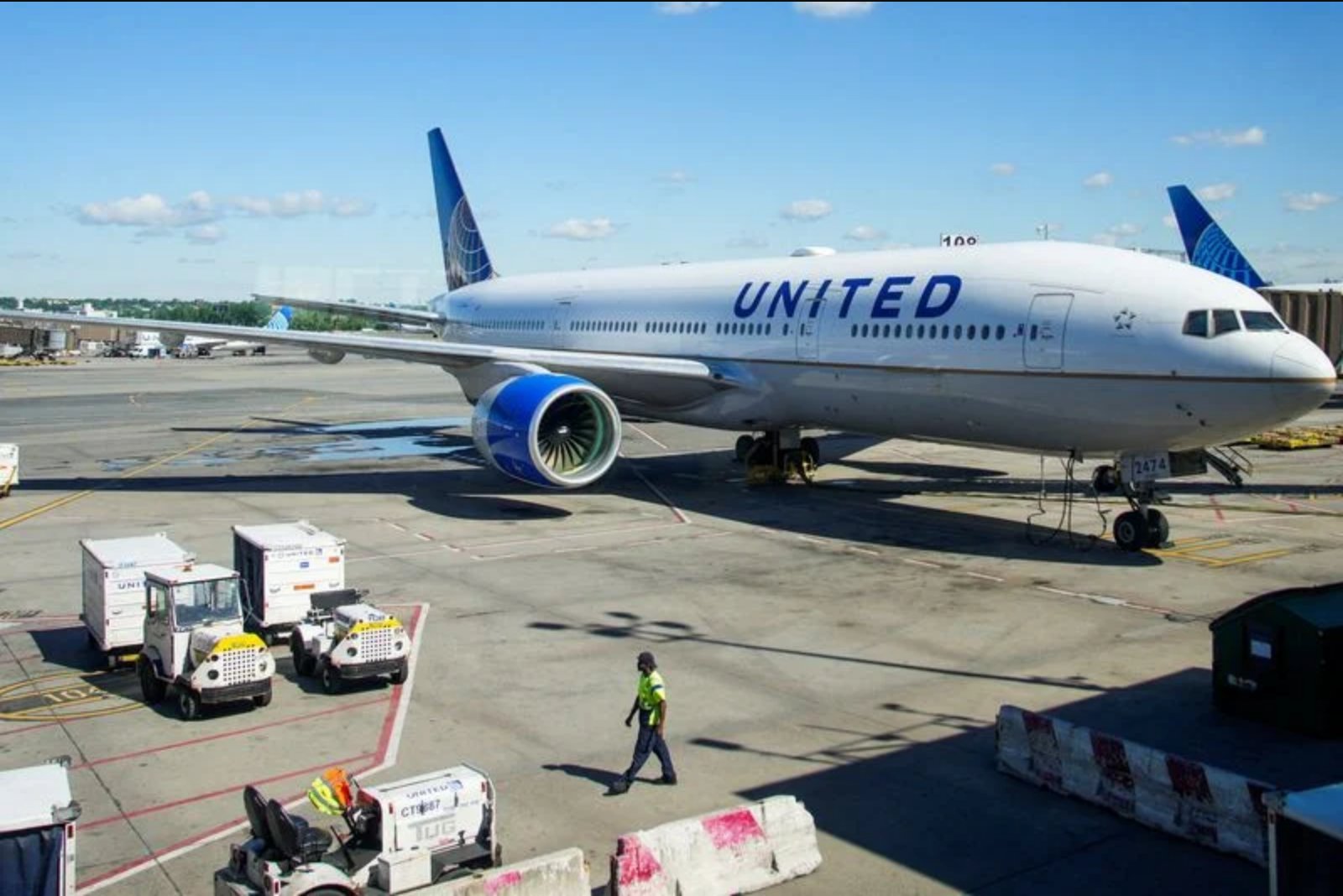
American Airlines announced plans in late May to outfit more than 500 narrowbody aircraft with Starlink beginning in early 2027. United Airlines said free Starlink Wi-Fi for MileagePlus members now covers over 25% of its daily flights, with full fleet coverage expected by the end of 2027. United's CEO Scott Kirby characterized the capability as a differentiator among carriers.
Delta selected Amazon Leo for an initial 500 aircraft starting in 2028, leveraging its existing relationship with Amazon Web Services. Delta has highlighted extensive passenger engagement with onboard connectivity, reporting that more than 163 million SkyMiles members have used its free Wi-Fi since 2023. JetBlue has also contracted to use Amazon's Leo service.
Competitive dynamics and industry positioning
Analysts describe airline Wi-Fi as an emerging battleground between Starlink and Amazon Leo. Lluc Palerm, research director at Analysys Mason, characterized the contest as likely to intensify but noted Amazon remains limited by the early stage of its constellation deployment. Daniel Welch, a senior consultant at Valour Consultancy, said SpaceX's contracts now cover more than 7,000 aircraft, creating what he called an "undeniable" lead for Starlink in the aviation market.
Starlink emphasizes speed and relative simplicity of installation. Amazon is promoting a broader ecosystem pitch that bundles connectivity with cloud computing, entertainment and retail integrations it believes will help airlines extend services to passengers beyond basic internet access. Delta's selection of Amazon Leo exemplifies a carrier opting for such an integrated technology partnership.
Legacy providers continue to play a role. Firms including Viasat, Intelsat, Panasonic Avionics and Hughes remain embedded across many fleets, offering multi-orbit backup solutions and coverage in regions where newer low-Earth-orbit providers encounter regulatory hurdles. Those incumbents, together with multi-provider architectures, shape the practical choices available to airlines planning fleet upgrades.
Revenue and loyalty implications
For carriers, faster connectivity yields more than in-flight entertainment. Robust Wi-Fi enables airlines to drive passenger engagement with loyalty programs, market future flights and ancillary products, and promote co-branded credit cards post-travel. A 2025 academic study in the Journal of Air Transport Management found links between Wi-Fi availability and higher passenger share on the routes examined, underscoring the commercial rationale for investment.
Executives have framed upgraded connectivity as a tool to reduce customer churn. "I want to give you fewer and fewer reasons to book another airline or feel like you need to travel on another airline," Southwest CEO Bob Jordan said regarding the carrier's connectivity plans.
Costs, operational trade-offs and strategic risks
Not all carriers are persuaded. Ryanair's CEO Michael O'Leary has rejected Starlink adoption for his airline, citing equipment costs and additional fuel burn from antennas, and the disagreement sparked a public dispute with Musk. The practicalities of installation, the ongoing operational costs of service contracts and the difficulty of switching providers once hardware and contracts are in place are recurring themes in airline decision-making.
At the same time, Amazon's route to scale faces program-specific risks. The company is still assembling its Leo constellation, and recent launch setbacks have the potential to delay service availability - a consideration that weighs on carriers choosing between an immediate performance advantage and a broader technology partnership.
Market context
SpaceX's efforts to expand Starlink into airline contracts come as investor attention on the business has increased in the run-up to SpaceX's planned public offering. Starlink's sizable contribution to SpaceX's 2025 revenue has reinforced the business's centrality to the company's growth story, and airline sales are an important channel for that expansion.
The aviation market's decisions over the next several years will shape demand for satellite capacity, influence the commercial prospects of new space operators, and affect the revenue streams of legacy in-flight connectivity vendors. Carriers must weigh upfront capital costs, ongoing service fees and operational impacts against the potential for higher ancillary revenue and improved customer loyalty.
As the contest evolves, airlines and suppliers alike will confront installation logistics, equipment supply constraints and regulatory limits in some regions, while passengers increasingly expect seamless, high-speed connections at altitude.