
Jet fuel prices have climbed sharply in recent weeks - moving from about $85-$90 per barrel to a range of $150-$200 per barrel - a surge that industry participants attribute to the U.S.-Israeli war on Iran. For an industry in which fuel can represent up to a quarter of operating costs, that jump has prompted widespread operational and commercial responses from carriers. Below is a company-by-company account, presented in alphabetical order, of how airlines are adjusting pricing, capacity and financial guidance to cope with volatile fuel markets.
AEGEAN AIRLINES - The Greek carrier said it expected suspended flights to the Middle East together with the rise in fuel prices to have a "notable impact" on its first-quarter results.
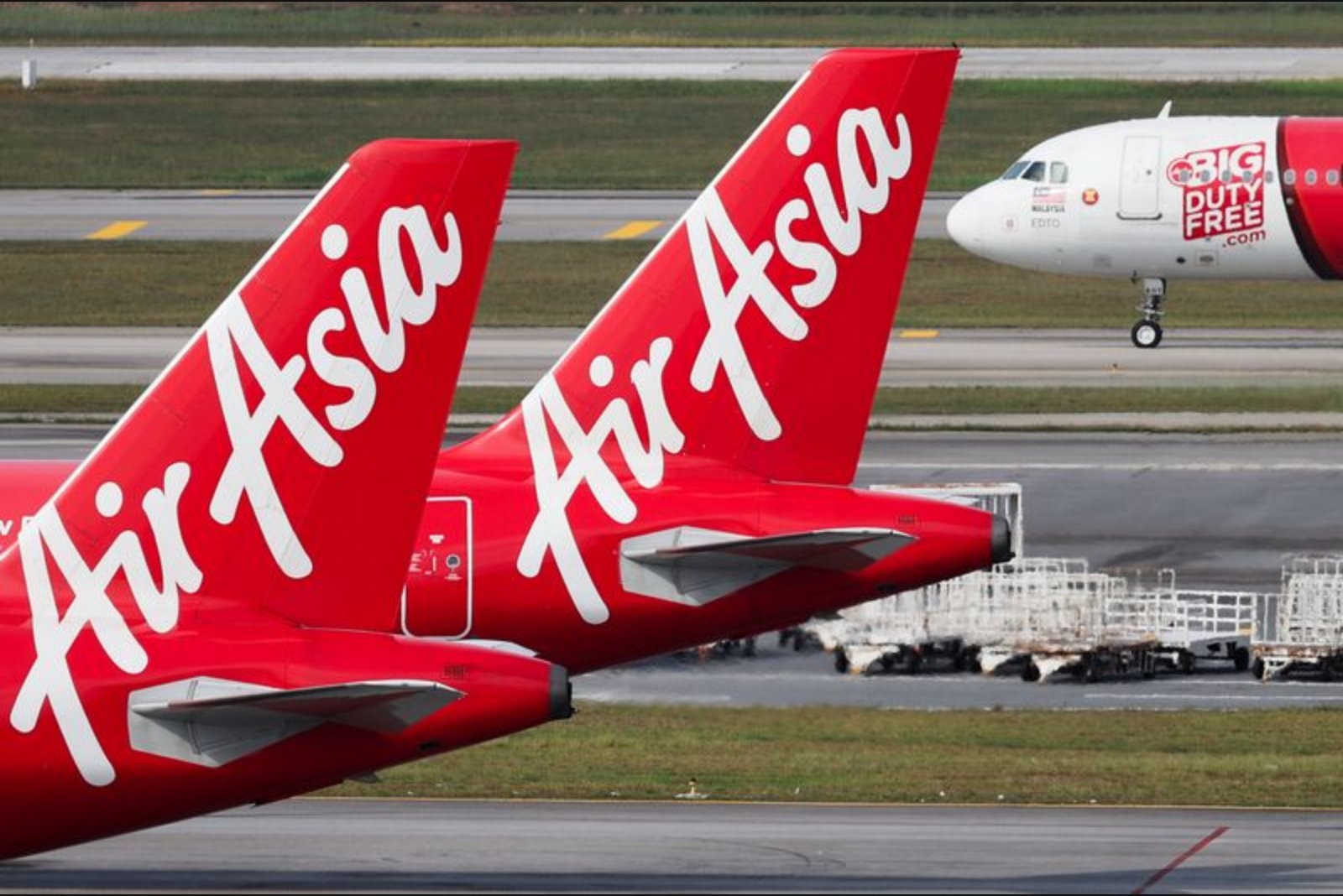
AIRASIA X - Executives at the Malaysian airline said the group had cut around 10% of flights and applied a fuel surcharge that averages roughly 20%.
AIR FRANCE-KLM - The airline group announced plans to raise long-haul ticket prices to help offset surging fuel costs, setting an increase of 50 euros ($58) per round trip on cabin fares.
AIR INDIA - The Indian flag carrier said it would change its fuel surcharge structure from a flat domestic charge to a distance-based grid. The airline added that existing surcharges on international routes did not adequately compensate for the exponential rise in jet fuel prices.
AIR NEW ZEALAND - On April 7 the carrier said it would reduce flights through May and June and raise fares. Air New Zealand was among the first to broadly increase ticket prices when the conflict began and has suspended its full-year earnings forecast due to volatility in fuel markets.
AKASA AIR - India’s Akasa Air said it would introduce a fuel surcharge that varies between 199 and 1,300 Indian rupees ($2 to $14) on domestic and international services.
ALASKA AIR - The U.S. airline said it would raise the fee for the first checked bag by $5 and the second checked bag by $10 on its North American routes, including those operated by its Hawaiian Airlines unit. It also increased the price for a third checked bag from $50 to $200.
AMERICAN AIRLINES - The carrier said it would increase checked baggage fees by $10 for the first and second checked bags and by $150 for the third checked bag on domestic and short-haul international flights. It also said it had trimmed certain benefits for economy passengers. Earlier, American had said it expected a $400 million increase in first-quarter expenses owing to fuel prices.
CATHAY PACIFIC - The Hong Kong-based carrier said it would raise its fuel surcharge by 34% across routes from April 1 and that it would review these surcharges every two weeks. The airline’s chief executive said Cathay Pacific planned to maintain flight capacity despite elevated fuel prices, but that its plan to grow passenger capacity by 10% could be re-evaluated if demand weakens because of higher fuel costs.
CEBU AIR - The Philippines-based carrier said the sharp increase in fuel prices was a key concern and that it would continue to review pricing and network strategies to reduce the impact.
CHINA EASTERN AIRLINES - The airline raised fuel surcharges for domestic flights from April 5. Flights of 800km and below were subject to a 60 yuan ($9) surcharge, while flights over 800km faced a 120 yuan surcharge.
DELTA AIR LINES - Delta said it would reduce capacity by about 3.5 percentage points compared with its original plan and would raise checked bag fees to help offset soaring jet fuel costs. The airline increased the price for first and second checked bags by $10 and raised the fee for the third checked bag by $50. Delta also removed all planned capacity growth for the current quarter and forecast profit below Wall Street expectations. The company’s CEO said it would hold off on updating the full-year outlook given uncertainty about how long the fuel spike will last.
EASYJET - EasyJet’s CEO, Kenton Jarvis, said European consumers should expect higher ticket prices toward the end of the summer when current fuel hedges expire.
FRONTIER AIRLINES - The U.S. ultra low-cost carrier said it was reviewing its full-year forecast, citing a significant increase in fuel prices since it issued its prior outlook.
GREATER BAY AIRLINES - The Hong Kong-based carrier said it would raise fuel surcharges on most routes from April 1, leaving surcharges unchanged on routes to mainland China and Japan. It said the surcharge for flights between Hong Kong and the Philippines would more than double.
HONG KONG AIRLINES - The airline raised fuel surcharges by up to 35% from March 12, with the largest increases applied to services between Hong Kong and the Maldives, Bangladesh and Nepal, where the charge would increase to HK$384 ($49) from HK$284.
IAG - The owner of British Airways said on March 10 it did not plan to raise ticket prices immediately because it had hedged a significant portion of its fuel exposure for the short- to medium-term.
INDIGO - India’s largest carrier said it would introduce fuel charges for domestic and international flights from March 14. The charges include 900 rupees for flights to the Middle East and 2,300 rupees for flights to Europe. The company is also lobbying the Indian government to cut fuel taxes, according to sources.
JETBLUE AIRWAYS - The U.S. low-cost carrier said it was raising fees for optional services such as checked baggage as it faces "rising operating costs." Baggage prices will increase by either $4 or $9.
KOREAN AIR - The South Korean flag carrier said it would enter emergency management mode from April as rising oil prices increase costs, according to a source. The airline plans to implement phased response measures tied to oil price levels and to intensify company-wide cost efficiency efforts to offset higher fuel expenses.
PAKISTAN INTERNATIONAL AIRLINES - The carrier said it would increase domestic fares by $20 and international fares by up to $100, citing higher fuel surcharges.
SAS - The Scandinavian airline said it would cancel 1,000 flights in April because of high oil and jet fuel prices, after cancelling several hundred flights in March. SAS, which had already raised ticket prices, said even if it tried to absorb the rising fuel costs the price surge would still be damaging to the industry.
SPRING AIRLINES - The Chinese budget airline said it would raise fuel surcharges on domestic flights from April 5, with details to be announced later.
SOUTHWEST AIRLINES - The U.S. carrier said it would increase checked baggage fees by $10 for the first and second bags, taking the fee to $45 for the first bag and $55 for the second.
TAP - The Portuguese airline said that the price increases it has implemented will partially offset the impact of fuel price changes on revenue.
THAI AIRWAYS - The Thailand-based carrier said it would raise fares by 10% to 15% in response to rising fuel costs.
TURKISH AIRLINES, LUFTHANSA - SunExpress - SunExpress, the joint venture between Turkish Airlines and Lufthansa, said it would impose a temporary fuel surcharge of 10 euros per passenger from May 1 on routes between Turkey and Europe. The surcharge will apply to bookings made on or after April 1 for departures on or after May 1. Separately, Turkish Airlines said on April 10 it had decided not to distribute any dividend from its 2025 net profit, choosing to retain earnings to preserve cash.
T’WAY AIR - The South Korean low-cost carrier said on April 13 that it plans to furlough some cabin crew without pay in May and June as part of measures to address the impact of the war in the Middle East.
UNITED AIRLINES - United said it is cutting unprofitable flights over the next two quarters as it prepares for oil prices to stay above $100 until the end of 2027, according to CEO Scott Kirby. United has been able to raise fares without materially hurting bookings in response to the rapid increase in oil and jet fuel prices, Chief Commercial Officer Andrew Nocella said. The carrier is also increasing first and second checked bag fees by $10 for customers travelling in the U.S., Mexico and Canada and Latin America.
VIETJET - The Vietnamese low-cost carrier said it had adjusted flight frequency on selected routes due to potential fuel shortages.
VIETNAM AIRLINES - Vietnam’s aviation authority said the carrier plans to cancel 23 flights per week across domestic routes from April after the airline requested government help to remove an environmental tax on jet fuel.
VIRGIN AUSTRALIA - The airline said it was adjusting fares to reflect rising cost pressures across the aviation sector that it said were being significantly exacerbated by the situation in the Middle East.
WESTJET - The Canadian carrier said it would add a C$60 ($43) fuel surcharge to some bookings and combine flights as costs increase, the Canadian Press reported.
The rapid move higher in jet fuel prices has prompted a wide range of responses, from changes to fare structures and ancillary fees to cuts in capacity and pauses or revisions to earnings guidance. Many of the actions taken - increases in checked baggage fees, implementation or expansion of fuel surcharges, distance-based grids for surcharges, temporary surcharges on particular routes, and reductions in planned capacity growth - are designed to pass at least part of the higher fuel cost onto passengers or to reduce the company cost base.
Several carriers have explicitly said they will review surcharges and fares frequently - in some cases every two weeks - or have made changes that will take effect on specified dates. Others have suspended full-year forecasts or said they will reassess guidance depending on how long fuel prices remain elevated. Some airlines, particularly those that had hedged fuel for the short- to medium-term, have delayed immediate ticket price increases.
This environment has also affected customer-facing ancillary charges. Multiple U.S. carriers have raised checked baggage fees, with increases ranging from $4 to $10 for the first or second bag, and substantially higher hikes in certain cases for third bags. Some low-cost carriers have introduced new fixed rupee-level surcharges for specific route groups, and joint ventures have announced temporary euro-denominated surcharges between specified markets.
Across the industry, carriers are responding with combinations of fare adjustments, surcharge changes, capacity reductions, staff management measures and requests for government support or tax relief where applicable. These measures indicate the breadth of operational and commercial levers airlines are deploying to manage the rapid and sustained rise in fuel costs.
Currency equivalents cited in reporting: ($1 = 0.8557 euros) ($1 = 92.6520 Indian rupees) ($1 = 6.8306 Chinese yuan renminbi) ($1 = 7.8319 Hong Kong dollars) ($1 = 1.3834 Canadian dollars)
Should you invest $2,000 in EZJ right now? ProPicks AI evaluates EZJ alongside thousands of other companies every month using 100+ financial metrics. Using powerful AI to generate exciting stock ideas, it looks beyond popularity to assess fundamentals, momentum, and valuation. The AI has no bias-it simply identifies which stocks offer the best risk-reward based on current data with notable past winners that include Super Micro Computer (+185%) and AppLovin (+157%). Want to know if EZJ is currently featured in any ProPicks AI strategies, or if there are better opportunities in the same space?