
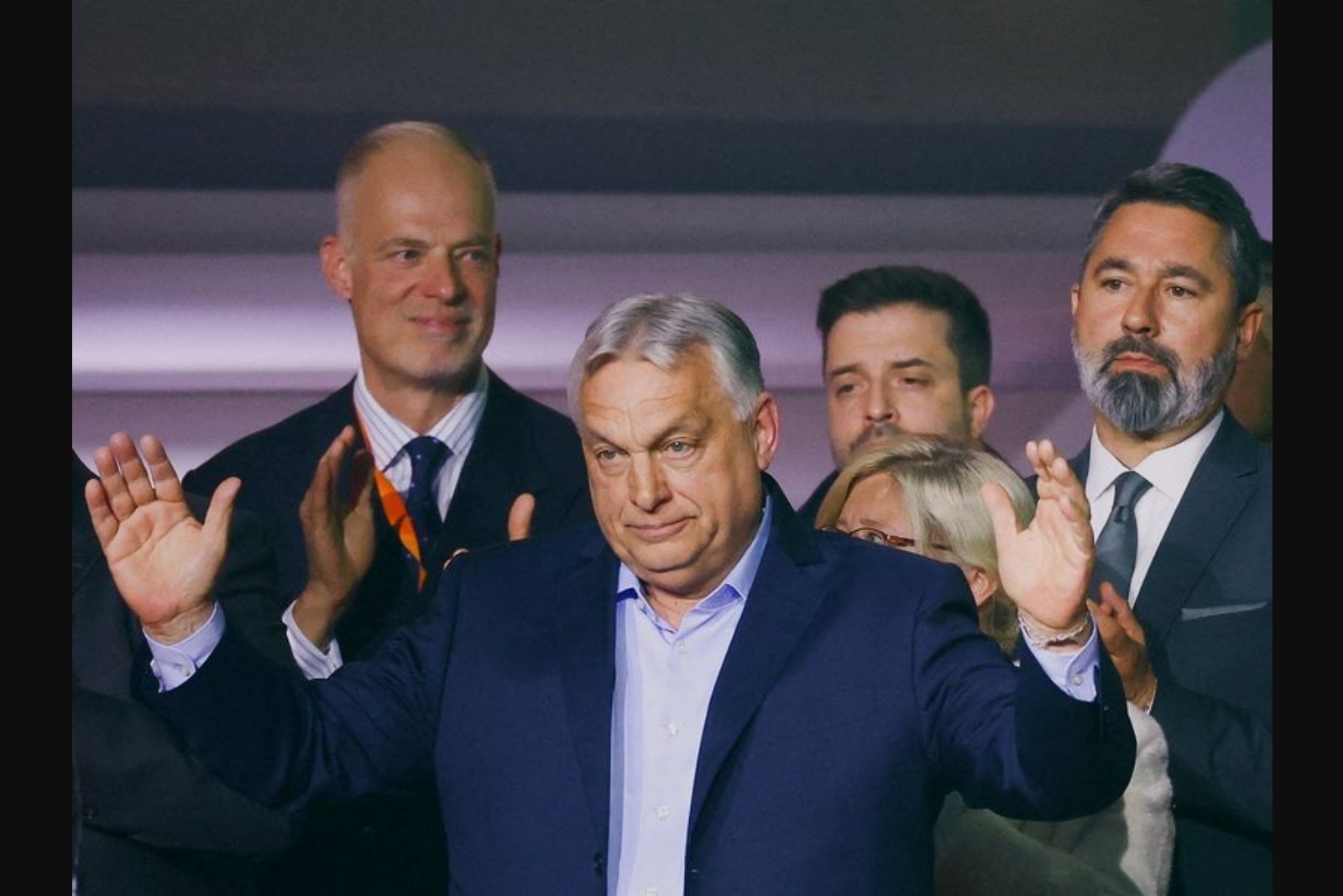
Hungarian voters delivered a surprise for international observers when they voted in record numbers to remove Viktor Orban from office after 16 years, handing victory to center-right challenger Peter Magyar and a pro-European Union platform.
The result drew swift comment from Washington. Lawmakers across the political spectrum extended congratulations to Magyar, and Democratic leaders portrayed the outcome as a rebuke of the hard-right tendencies that have characterized Orban's tenure.
Senate Minority Leader Chuck Schumer said: "Pay attention, Donald Trump. Wannabe dictators wear out their welcome." U.S. House Minority Leader Hakeem Jeffries added: "Far-right authoritarian Viktor Orban has lost the election. Trump sycophants and MAGA extremists in Congress are up next in November." Those remarks reflect a Democratic reading of the Hungarian vote as a potential signal ahead of upcoming U.S. elections.
Republican responses were mixed. U.S. Senator Roger Wicker, who chairs the Senate Armed Services Committee, characterized the result as a rejection of outside influence, saying the outcome showed that Hungary's population rejected "the malign influence of Vladimir Putin" and had "decided their own future." Wicker viewed the vote through the prism of security and foreign-policy alignments that had grown more prominent in recent years.
President Donald Trump had publicly supported Orban in the run-up to the vote. Trump spoke briefly last week at a campaign rally in Hungary, an appearance during which U.S. Vice President JD Vance telephoned his boss upon taking the stage. Trump also said last week his administration stood ready "to use the full economic might of the United States to strengthen Hungary's economy" if Orban won. On Sunday, however, Trump did not comment directly on the Hungarian election, even as he addressed other subjects on social media, in a television interview and during a brief encounter with reporters.
Not all of Trump's allies reacted the same way. Technology entrepreneur Elon Musk, a noted backer of positions favoring Orban, posted on his X social media account: "Soros Organization has taken over Hungary." The reference invokes billionaire financier George Soros, a Hungarian-born U.S. donor who has long been vilified by many conservatives, a dynamic that has been part of domestic and international debates around Orban's politics.
Orban's style of governance - which he has described as "illiberal democracy" - has mirrored some policy positions advanced by Trump, including stringent positions on immigration, skepticism of international institutions, and criticism of media and university institutions. Orban's government also clashed repeatedly with the European Union over issues including responses to Russia's war in Ukraine.
Orban was the first European leader to endorse Trump during the 2016 presidential campaign. With his loss, U.S. lawmakers and political commentators on both sides are parsing what the result may mean for transatlantic relationships, domestic political messaging in the United States, and the positioning of figures who have allied themselves with Orban's approach.
Context limitations: The reporting here reflects reactions and statements made immediately following the Hungarian vote. It does not attempt to assess longer-term policy shifts or economic consequences beyond those directly referenced by U.S. officials and public figures quoted above.