
In a significant legal development on January 20, the U.S. Justice Department served subpoenas on six Minnesota state and local Democratic officials, including the offices of Governor Tim Walz, Attorney General Keith Ellison, and the mayors of Minneapolis and St. Paul. These subpoenas come amid a federal grand jury investigation scrutinizing whether the officials' vocal resistance to the Trump administration's intensified immigration enforcement actions amounts to any criminal wrongdoing.
One subpoena obtained and disclosed by Minneapolis Mayor Jacob Frey demands that his office's custodian of records supply documents dating from early 2025 that pertain to "cooperation or lack of cooperation with federal immigration authorities." This inquiry is focused on examining the extent and nature of coordination between local entities and federal immigration agencies under enforcement pressure.
U.S. Attorney Pam Bondi, speaking in an interview with Fox News after arriving in Minnesota, emphasized the impartiality of the law, stating, "Whether it’s a public official, whether it’s a law enforcement officer, no one is above the law in this state or in this country, and people will be held accountable." She underscored that the safety of law enforcement agents is a priority, though she refrained from directly addressing the most recent subpoenas.
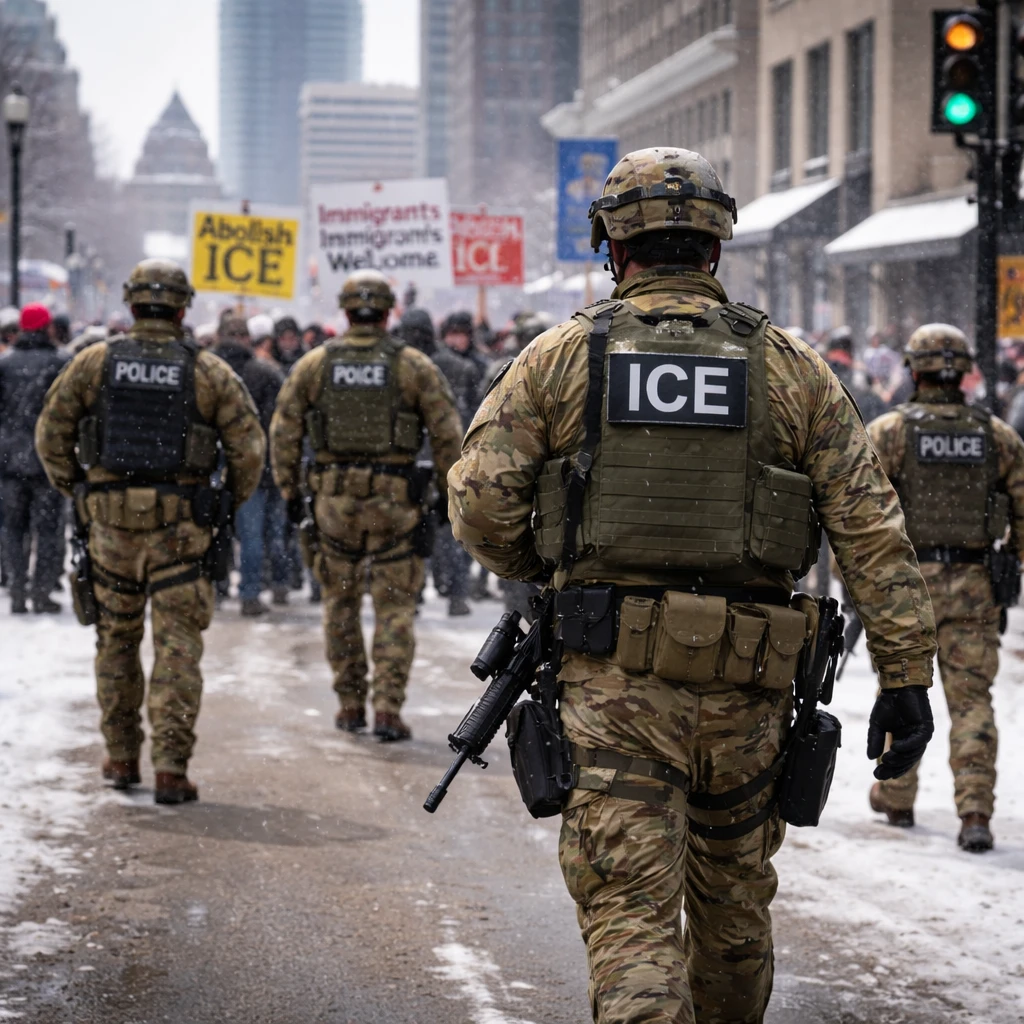
Under President Donald Trump's directive, thousands of Border Patrol and ICE personnel have been deployed to the Minneapolis metropolitan area in recent weeks to conduct large-scale deportation operations. These efforts, unprecedented in scope for the region, have triggered violent clashes with local residents, drawing attention for agents' appearances in military-style camouflage, tactical gear, and armed patrols through snowy city streets.
Both Governor Walz and Mayor Frey have publicly condemned the operations, characterizing them as dangerous political theater designed to provoke unrest. Walz warned that the enforcement surge risked endangering the public and escalating tensions that could justify even greater federal intervention. While urging local residents to maintain peaceful protests, Walz also called on citizens to document any encounters with ICE agents, suggesting such media could be utilized in future legal actions against potential misconduct by federal officers.
Federal officials within the Trump administration have rebutted these charges, accusing Walz and Frey of deliberately fomenting interference with ICE actions in coordination with anti-government groups, an allegation the Minnesota leaders have denied. At present, the Justice Department has declined to provide additional commentary on the situation.
The local backlash against the ICE operations intensified following the fatal shooting of an American woman, Renee Good, by an ICE agent approximately two weeks ago. Federal agents have also employed tear gas and other chemical irritants against demonstrators, provoking public outcry and concerns about racial profiling. Notably, recent incidents include the wrongful arrest of ChongLy "Scott" Thao, a 56-year-old naturalized U.S. citizen, who was apprehended in his home without a warrant and inappropriately targeted during a search for two "criminal illegal aliens" from Laos subject to deportation orders.
Public records reveal that one of the individuals sought by ICE was incarcerated in a Minnesota prison at the time of the search. The U.S. Constitution prohibits warrantless forced entry into private residences or arrests absent probable cause, rights apparently contravened during Mr. Thao's detention. Following his release, Mr. Thao recounted that authorities did not present a warrant at the time of his arrest.
The subpoenas follow revelations that the Department of Justice has launched a criminal investigation into Governor Walz, Mayor Frey, and other Democratic officials critical of the enforcement surge. Walz, who was a vice-presidential candidate in the 2024 election cycle, decried the probe as a political tool intended to intimidate opponents of the Trump administration. He cited related investigations into other prominent figures deemed critical of Trump’s policies.
Federal prosecutors historically face challenges securing indictments based solely on public officials’ policy statements, given the high evidentiary standard. Grand juries, which must assess probable cause presented by prosecutors, have recently rejected indictments in high-profile cases involving New York Attorney General Letitia James and matters linked to enforcement actions in Washington, D.C.
In parallel with the legal inquiries, Minnesota Democrats have pursued lawsuits challenging the constitutionality of the enforcement surge. A recent federal court injunction prohibits immigration agents operating in Minneapolis from detaining or using chemical crowd-control methods against peaceful protesters or onlookers. This ruling stemmed from litigation by citizens alleging violations of their constitutional rights by federal officers.
Governor Walz expressed that Minnesotans prioritize safety and community peace over efforts to intimidate public officials advocating for their constituencies. Mayor Frey similarly criticized the federal government’s measures as attempts to intimidate local leaders performing their official duties, emphasizing concerns over the wider implications for Americans everywhere.