
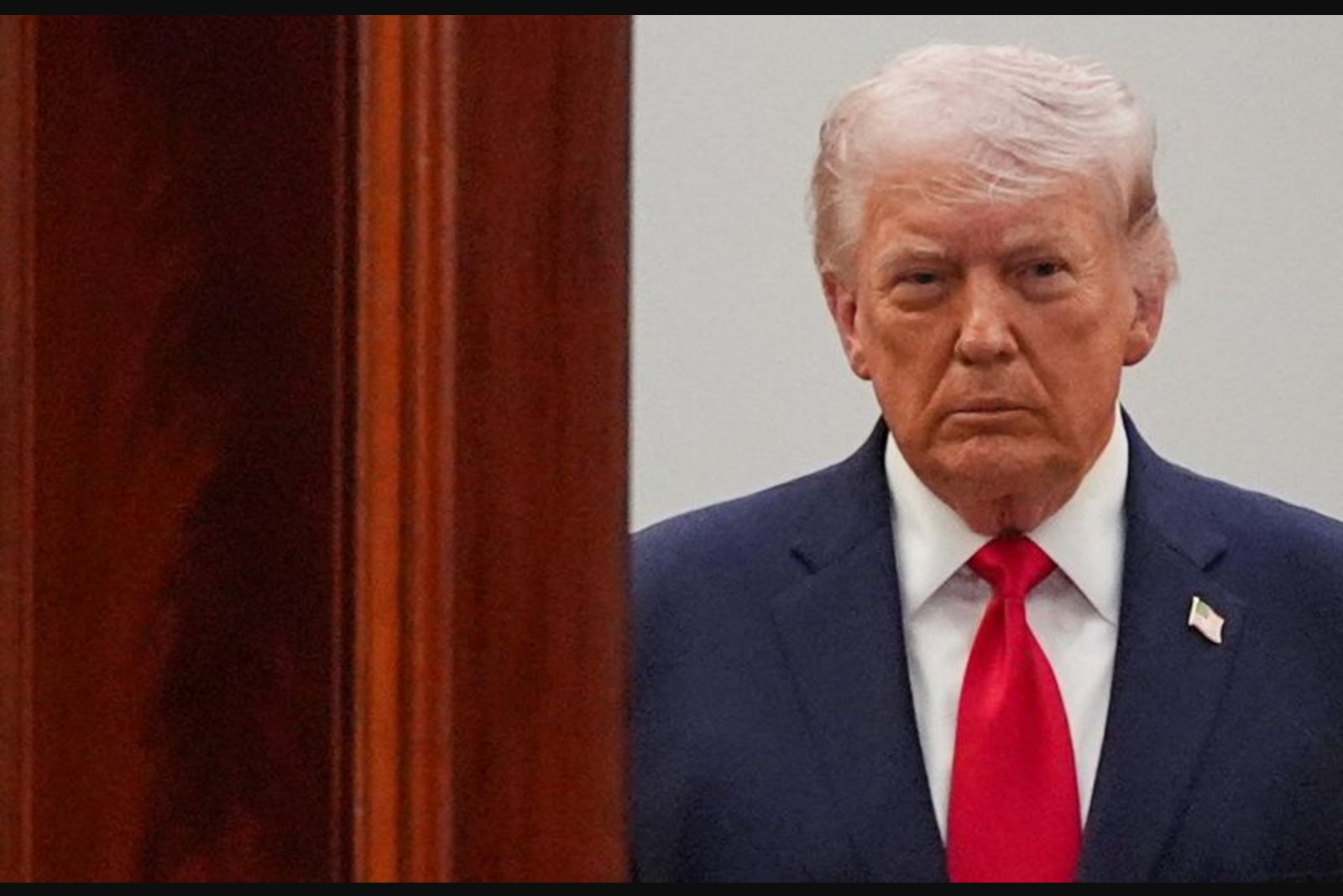
NEW YORK, April 5 - President Donald Trump and several senior U.S. officials framed the rescue of an American airman in Iran in distinctly religious terms on Sunday, calling the mission an "Easter miracle" and using faith-inflected language to characterize the operation and its meaning.
Speaking on NBC's "Meet the Press," Trump said, "The rescue was an Easter Miracle," a line echoed in various forms by other administration figures over the holiday weekend. The president also posted a separate social media message in which he threatened strikes on power plants and bridges and urged Iran to open the Strait of Hormuz, warning Tehran to comply "you crazy bastards" or face "living in Hell," and signing off with the phrase "Praise be to Allah."
Treasury Secretary Scott Bessent drew directly on Christian symbolism in a post on X, describing the rescue in the language of the Easter story. "The Easter miracle is considered the greatest victory in history," Bessent wrote. "And so, it (is) fitting on this holiest of Christian days that a brave American warrior was rescued from behind enemy lines in one of the greatest search and rescue missions in military history."
Defense Secretary Pete Hegseth also used religious wording on his private X account, reposting a message from the president about the rescue and adding "God is good." Axios, citing an interview with Trump and an unnamed U.S. defense official, reported that the same phrase was uttered by the rescued officer over the radio after ejecting from his aircraft.
Criticism and concern over church-state boundaries
Critics said the administration's choice to present the rescue in religious terms risked blurring the line between faith and government policy and, in some views, amounted to using religion to justify military action. Republican former Representative Marjorie Taylor Greene posted on X that the president had betrayed Christian values and argued that Christians in government should be pursuing peace rather than escalating a conflict. She referenced teachings she said emphasized forgiveness and love, including toward enemies.
The Council on American-Islamic Relations (CAIR) also criticized the president's language, calling his apparent mockery of Islam and his threats to attack civilian infrastructure "reckless and dangerous." CAIR said that pairing the casual use of "Praise be to Allah" with violent threats suggested a willingness to weaponize religious language and showed contempt for Muslim beliefs.
Concerns extended into Congress. Last month, a group of 30 Democratic U.S. lawmakers asked the Defense Department Inspector General Platte Moring to investigate reports that some in the U.S. military had invoked "biblical end-time prophecies" to justify the war in Iran. The lawmakers pointed to the stakes involved in a conflict they characterized as a war of choice and urged protection of religious freedom for service members, emphasizing the need for military operations to be guided by facts and law rather than apocalyptic religious beliefs.
Religious language as both domestic and international political tool
Iranian political messaging was noted in the reporting as well. The Islamic Republic's system, grounded in Shia beliefs that ascribe religious authority through a line of imams descended from the Prophet Mohammad, frequently depicts the United States as "the Great Satan" and employs religious language in its military propaganda, honoring fallen fighters as martyrs.
The administration's blending of religious rhetoric with explicit threats and military messaging has drawn rebuke from both a Republican lawmaker and an Islamic civil rights organization, while Democratic lawmakers have asked for formal oversight regarding the use of faith-based justifications within the military. The debate highlights tensions over the appropriate boundary between religious expression by public officials and the secular premises that traditionally guide U.S. policy and military conduct.
All sides in the debate anchored their views to the recent rescue operation and surrounding statements: presidential praise framing the recovery in Easter terms, threats of strikes targeting infrastructure, public posts by cabinet officials that used religious language, an Axios report on words allegedly spoken by the rescued service member, and calls for oversight from Democratic lawmakers concerned about religious influence in military decision-making.
As critics pressed their concerns, the administration's social media and broadcast messages remained the focal points for questions about whether religious language was being used to morally justify or otherwise shape the public understanding of the conflict and its military campaigns.
Reporting on this story included official statements by administration members and comments from advocacy groups and lawmakers cited in public messages and letters.