
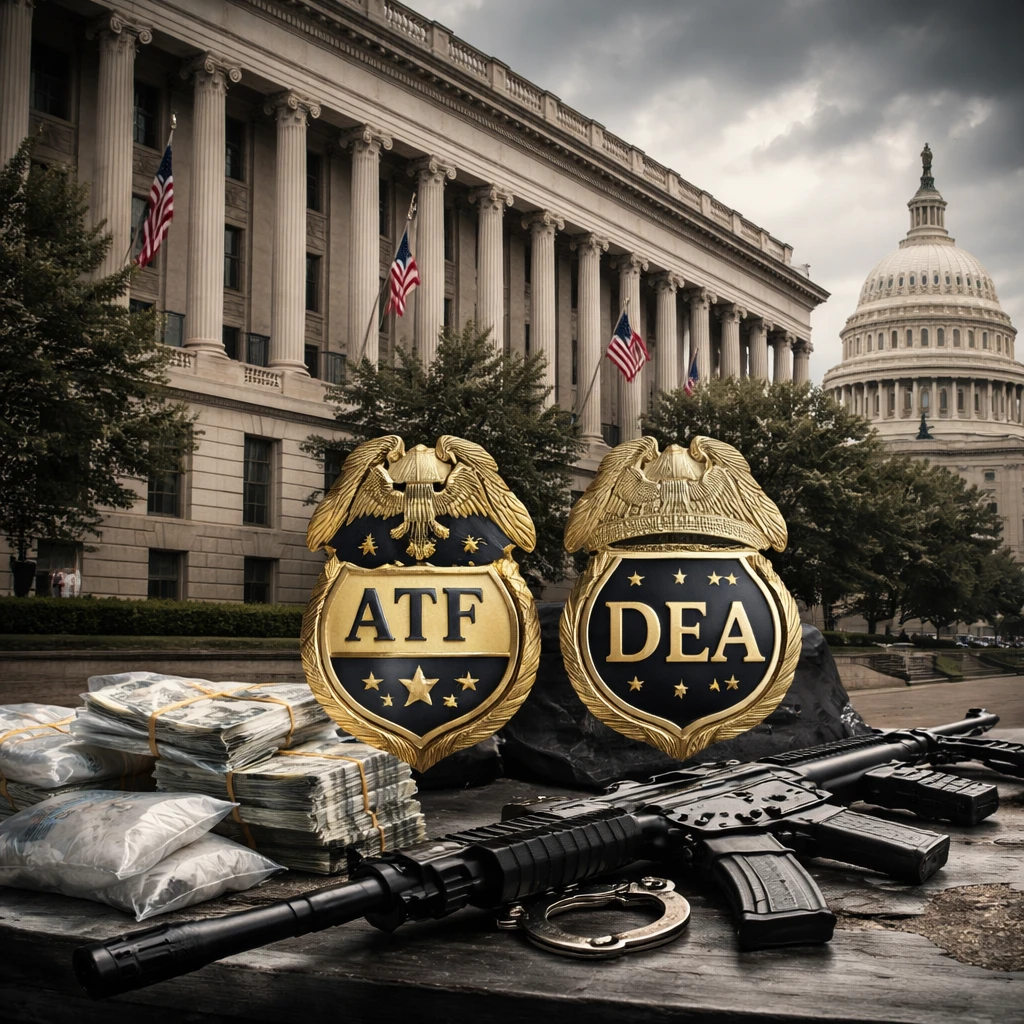
The Trump administration has decided to abandon its plan to merge the Bureau of Alcohol, Tobacco, Firearms and Explosives (ATF) into the Drug Enforcement Administration (DEA). This development comes after substantial opposition emerged from various stakeholders, including organizations advocating for gun rights and those supporting gun control measures. Sources familiar with the matter revealed to CNN that this proposal, which initially formed part of a broader effort to streamline federal oversight, will no longer move forward.
The merger initiative, first publicized as an element of a government downsizing strategy implemented by Deputy Attorney General Todd Blanche, aimed to reduce the number of federal agencies and enhance operational efficiency. However, it faced a challenging path, as the plan required congressional authorization and provoked bipartisan resistance. Concerns also arose within the agencies involved, with employees expressing reservations about the potential consolidation.
This reversal is occurring during a critical period in which the White House is actively pursuing Senate confirmation for Robert Cekada, who currently serves as ATF's deputy director, to take on the role of permanent director. The heightened attention on ATF leadership further highlights the significance of the agency’s independent operation.
Attempts to combine the ATF with the DEA had generated significant friction from diverse advocacy groups, reflecting the polarized views on federal firearms enforcement and drug law enforcement domains. Reactions against the merger from both gun control supporters and gun rights activists underscored the complexity of reconciling the agencies' differing missions and stakeholder expectations.
Efforts to verify this development independently have yet to confirm all details, and the White House has not immediately issued a statement in response to inquiries. The discontinuation of this plan suggests a recalibration in the administration's approach towards federal agency structuring, particularly concerning sensitive law enforcement institutions.