
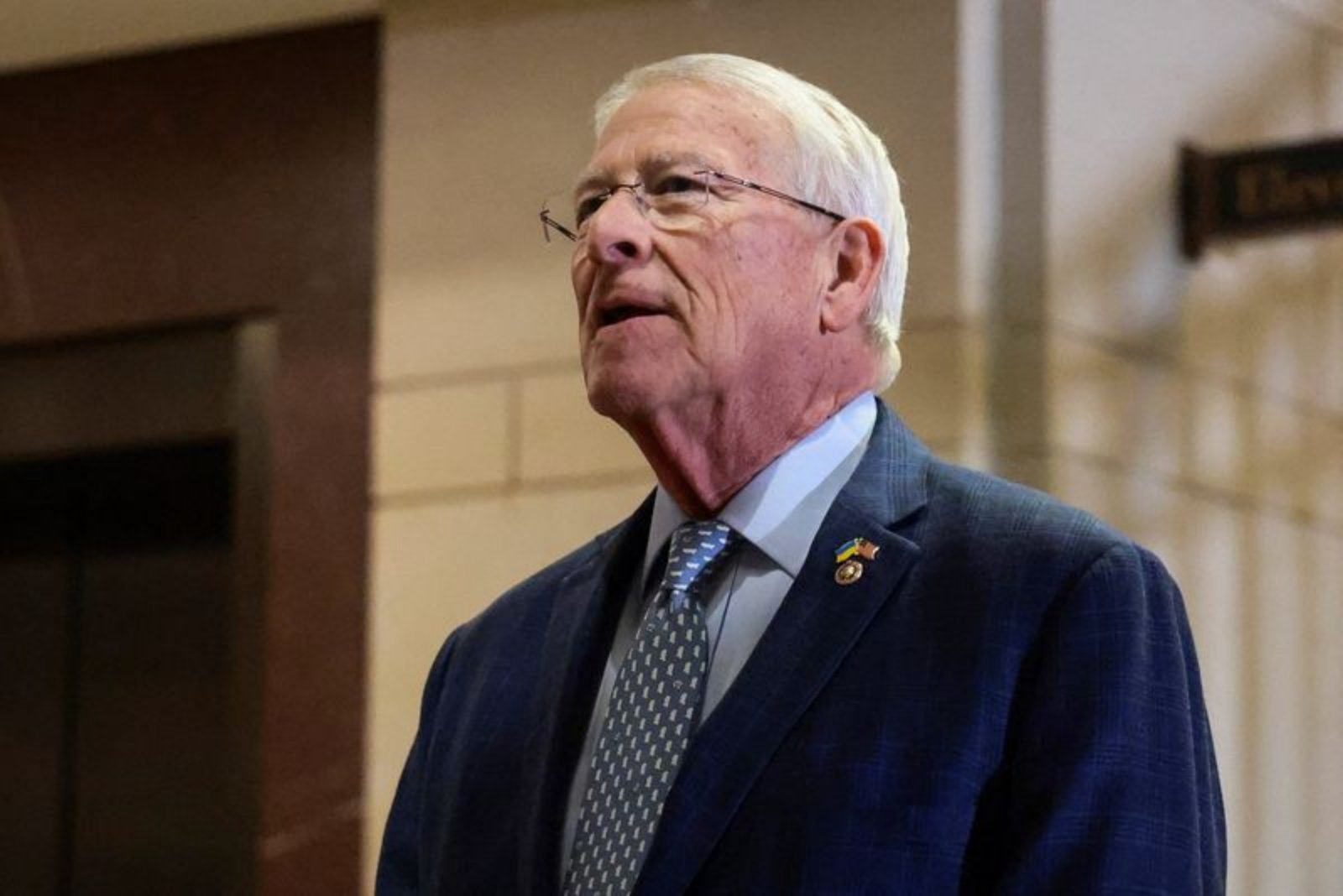
Republican U.S. Senator Roger Wicker has told Homeland Security Secretary Kristi Noem he opposes the federal government’s plan to acquire a warehouse in Byhalia, Mississippi, and convert it into a large immigration detention center.
In a letter to Secretary Noem, Wicker said that although he supports enforcement of immigration laws, he objects to the proposed acquisition and the planned detention facility. The administration, Wicker wrote, is in the final stages of acquiring the Byhalia property with the intention of turning it into a federal Immigration and Customs Enforcement (ICE) detention center.
Wicker noted that the proposed facility would hold more than 8,500 beds. He warned that the town of Byhalia does not possess the medical and human services infrastructure necessary to support a detainee population of that size.
The senator also said the site under consideration is already positioned for another form of economic development that could bring private investment and local job creation. Opening a detention center at that location, he argued, would foreclose those growth opportunities.
Wicker, the senior Mississippi member of the U.S. Senate, said his constituents have raised concerns about the potential impacts of a detention center on public safety, local medical capacity, and the broader economy.
"Many of my constituents have voiced concerns regarding the public safety, medical capacity, and economic impacts this center would impose on their communities," he wrote. "Proceeding with this acquisition without adequately addressing these issues disregards community input."
The Department of Homeland Security, which oversees federal immigration matters, did not immediately respond to a request for comment.
Federal immigration enforcement currently places more than 70,000 detainees in over 200 facilities, the senator’s letter said. The planned Byhalia site would support President Donald Trump’s objective to increase immigration detentions during his second year in office.
Context and implications
- The proposed conversion of the Byhalia warehouse would create one of the larger single-site detention capacities cited by the senator, at more than 8,500 beds.
- Local medical and human services capacity is a central concern raised by Wicker, who framed the issue as both a public health and public safety matter.
- Wicker emphasized an economic trade-off: the site could attract private investment and create jobs if used for other development instead of a detention facility.
The letter puts pressure on the administration’s final steps in the acquisition process by highlighting constituent opposition and potential strain on local services. It also underscores a broader federal policy objective to expand detention capacity, as referenced by the senator.