
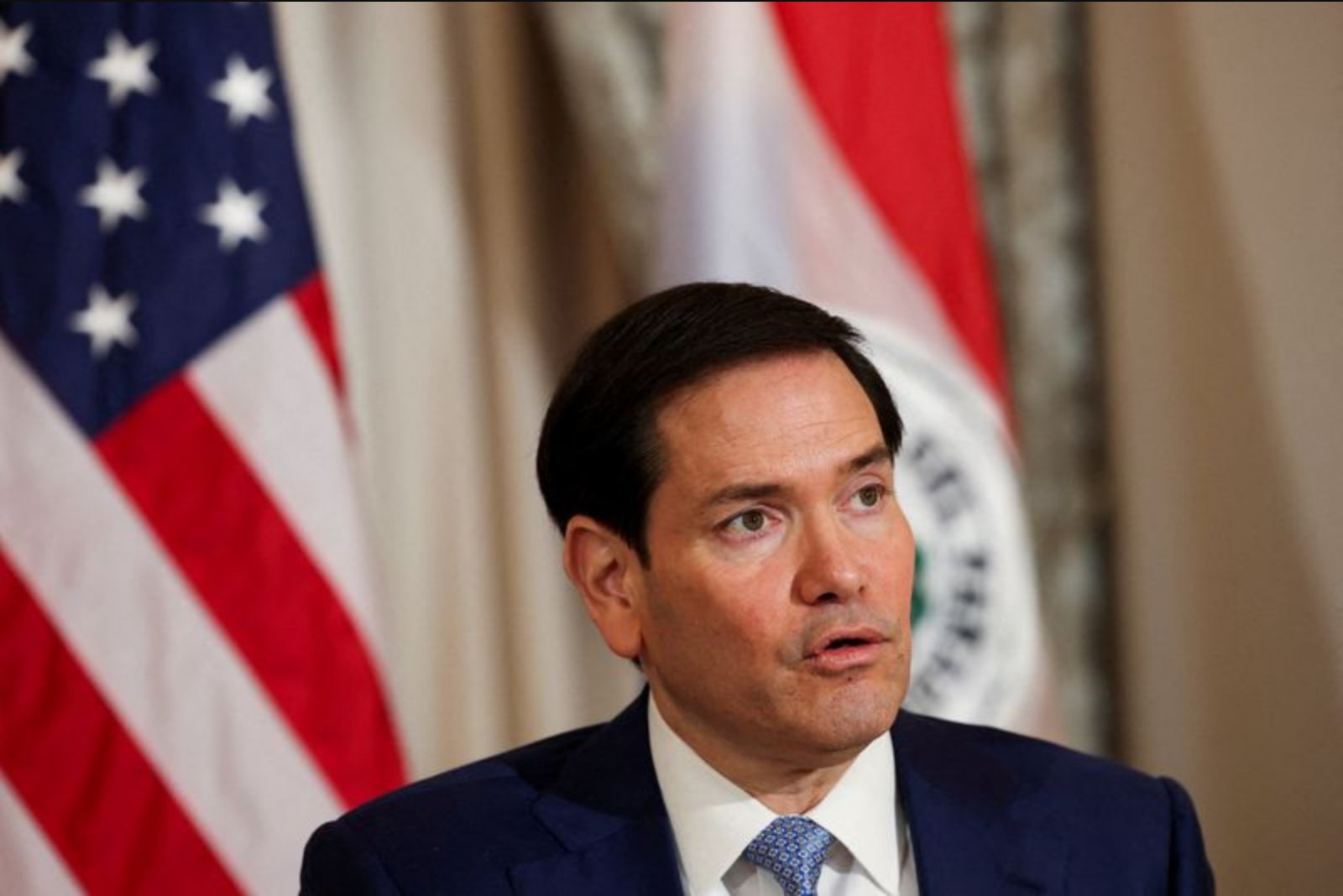
U.S. Secretary of State Marco Rubio is scheduled to testify before the Senate Foreign Relations Committee about the Trump administration's policy in Venezuela, marking a rare public session in which Rubio will face questions from lawmakers who were once his Senate colleagues.
Rubio, who previously represented Florida in the Senate and served on that committee, arrives at the hearing after a recent episode in which senators nearly approved a resolution intended to limit the administration's ability to take further military action in Venezuela without explicit congressional approval. That measure was narrowly blocked two weeks ago when Republican support fractured and Vice President JD Vance cast a tie-breaking vote to halt its passage.
This hearing will be the first time Rubio publicly answers lawmakers about the January 3 raid that resulted in the seizure of Venezuelan President Nicolás Maduro. According to prepared remarks submitted to the committee, Rubio plans to highlight what the administration considers achievements of the military operation while rejecting the notion that U.S. forces are waging a war in Venezuela or occupying the country.
"We will closely monitor the performance of the interim authorities as they cooperate with our stage-based plan to restore stability to Venezuela," Rubio's prepared testimony states. "Make no mistake, as the President has stated, we are prepared to use force to ensure maximum cooperation if other methods fail."
Several members of Congress - including Republicans and Democrats - have complained about a lack of information from the administration concerning major operations. Among their concerns are both the removal of Maduro and the reduction or elimination of many foreign aid programs that formerly enjoyed congressional backing.
Committee Chairman Jim Risch, a Republican from Idaho, indicated he intends to commend Rubio for briefing him on the administration's approach to Venezuela even amid what Risch described as "confusion over how it will be done." In opening remarks provided to reporters, Risch framed the hearing as an opportunity for the administration to publicly outline its plan for Venezuela's future.
"Today is the opportunity to publicly explain the administration's plan for the future of Venezuela," Risch says in the text of his remarks. "After our lengthy engagements in the Middle East in years past, many Americans are concerned about so-called 'forever wars'. I know this Administration is laser-focused on avoiding these experiences."
The war powers resolution had appeared to be on track after five Republicans joined Democrats to move the measure forward - an unusual instance of Republicans opposing the President. President Trump reacted strongly to those defections, saying the five should never again be elected to public office. He and Rubio then lobbied senators to reverse their votes, arguing there were no U.S. troops in Venezuela and arranging for Rubio to testify before the committee.
Two senators who had voted to advance the resolution - Josh Hawley of Missouri and Todd Young of Indiana - later changed their positions. The narrow margin highlighted widening concern in Congress about the President's approach to foreign policy and growing support for returning to Congress the constitutional authority to decide when U.S. forces are sent into hostilities.
Some members of Congress, including Republicans allied with the President, said Rubio had told them the administration did not intend regime change in Venezuela days before U.S. troops removed Maduro. Lawmakers also reported that oil company executives received briefings about the operation prior to lawmakers being informed.
Democratic Senator Chris Coons of Delaware, a senior committee member, said he had "maybe 20 questions" he planned to pose on matters related to Venezuela. Coons argued that the administration had failed to present evidence linking alleged drug trafficking to the United States or to justify bypassing consultation with Congress.
"No evidence was proffered to explain or justify the Article Two urgent national security concern that would justify an action by the president of the United States without timely consultation with Congress, something the secretary from his 15 years of service in the Senate knows full well should have happened," Coons said during a recent call with reporters.
The hearing comes amid heightened rhetoric and actions from President Trump, who this month made comments indicating prolonged U.S. governance of Venezuela, urged Iranians protesting their government that "help is on the way," and threatened military action to take Greenland, a territory of NATO ally Denmark. Those remarks form part of the broader context in which lawmakers are assessing executive foreign policy decisions and their implications for U.S. engagement overseas.
What the hearing will test is whether Rubio's explanations satisfy a Senate increasingly insistent on a clearer line of communication and on reasserting congressional prerogatives over military deployments. Lawmakers will press for more detail on the administration's criteria for action, its interaction with interim authorities in Venezuela, and the legal bases asserted for proceeding without timely consultation with Congress.
For market observers, the hearing underscores policy risks tied to political decision-making in Washington - notably in sectors sensitive to geopolitical shifts such as defense and energy. The reported pre-briefings to oil company executives highlight the intersection between foreign policy actions and the energy industry, while debate over the use of force raises questions for defense contractors and broader geopolitical risk premiums.