
Overview
Immigration was a central issue in President Trump’s path back to the White House in 2024, but what once operated as a political advantage is beginning to create new vulnerabilities for Republicans as they head into the November midterm elections. Recent federal enforcement operations and fatal encounters with protesters in Minneapolis have intensified scrutiny of the administration’s tactics, and public opinion appears to be shifting in ways that could complicate Republican efforts to hold or expand their position in Congress.
Poll numbers and public mood
Polling indicates a notable decline in public support for the administration’s immigration approach. A Reuters/Ipsos poll published on Monday found that just 39% of Americans approve of how President Trump is handling immigration, the lowest level recorded since his inauguration. While support remains high among Republican respondents, with 84% saying they back the president on the issue, a meaningful minority of that cohort - roughly one in five - believes federal agents have gone "too far" in their enforcement actions.
Those poll figures point to a widening gap between the conservative base, which largely continues to endorse mass deportations, and swing voters whose backing will be critical in the midterms. Political strategists warn that if perceptions of heavy-handed enforcement persist among independents, Republican prospects in November could be undermined.
Operation Metro Surge and the Minneapolis incidents
The national controversy centers on Operation Metro Surge, the December deployment that sent nearly 3,000 federal immigration agents to Minneapolis and St. Paul. The operation sparked a sharp reaction after two people were fatally shot during confrontations with immigration agents at protests - Renee Good, described in reporting as a mother of three, was killed on January 7, and Alex Pretti died on January 24. Both deaths occurred during clashes between protesters and federal enforcement personnel.
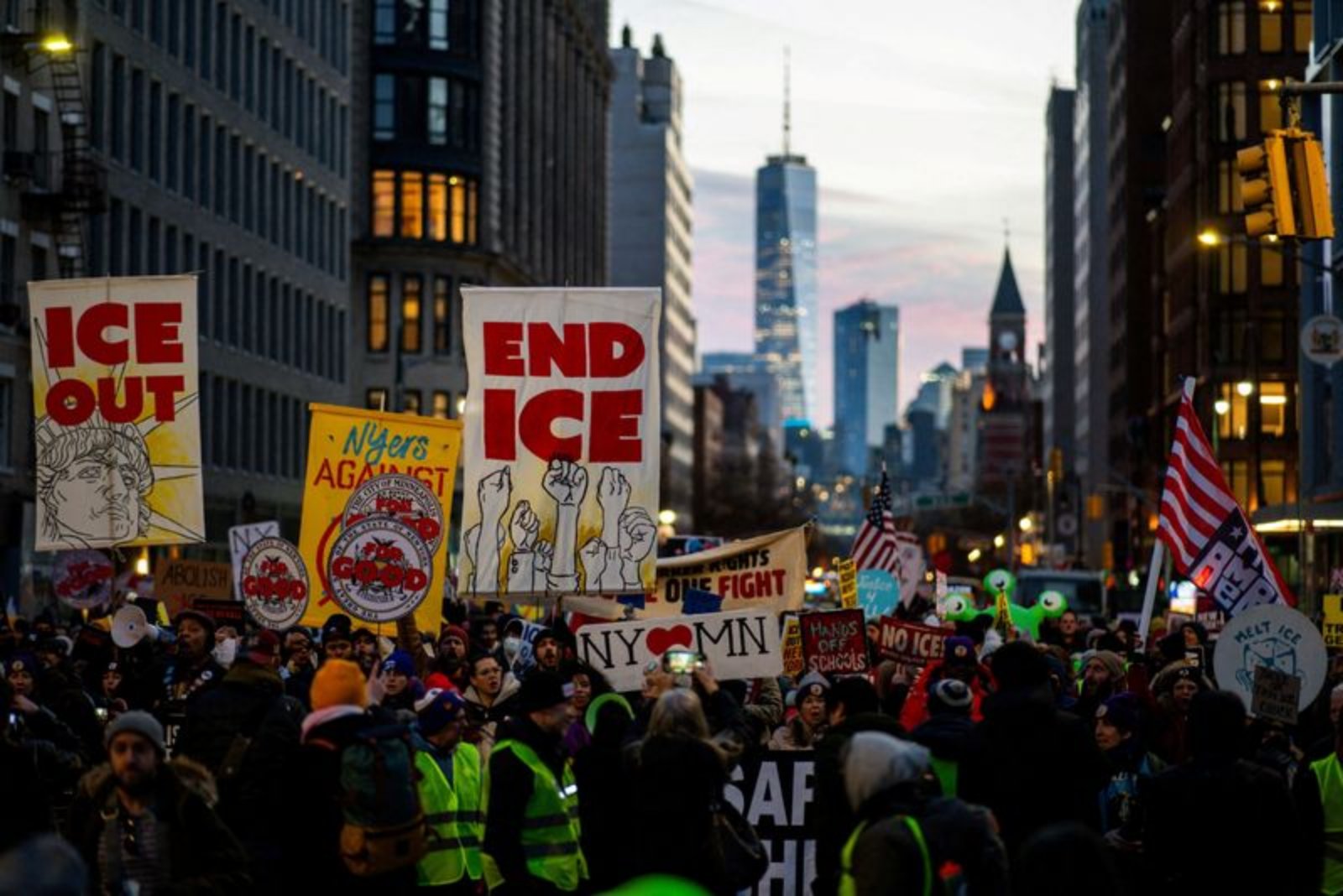
These incidents have produced intense media attention and daily images of masked federal agents engaging with protesters in Minneapolis. The visual record, coupled with reports of wide-ranging enforcement actions that swept up people in the country legally as well as those without authorization, has amplified concerns among some voters and elected officials about the breadth and manner of the crackdown.
White House response and operational adjustments
The White House has defended its strategy while also taking steps that signal a desire to reduce friction. In a statement, White House spokesperson Abigail Jackson said, "President Trump wants all Americans to feel safe in their communities. That guiding principle is why the President has promised to remove dangerous criminal illegal aliens from our country, urged local Democrat leaders to work with federal law enforcement, and called for a fact-based investigation into the tragic death of Mr. Pretti."
In recent days the administration has moved to ease tensions in Minneapolis by dispatching its border czar to oversee the operation and indicating a willingness to cooperate with state officials. Reports indicate the president met with senior advisers to discuss recalibrating the immigration strategy; those discussions included potential reductions in the number of agents deployed to Minnesota and a possible shift to narrow the mission there toward specific deportations rather than broader enforcement activities.
It is not clear whether these adjustments reflect a recognition of the political risks ahead of the midterms or are primarily an effort to regain command of an operation that has produced repeated, controversial images of federal tactics in urban settings.
Republican reactions and internal tensions
Even within the GOP there has been pushback. The president’s moderating of tone and the sidelining of Gregory Bovino, a senior Border Patrol official who had become a lightning rod for critics of the crackdown, occurred after days of criticism from Republican lawmakers and governors opposed to the operation’s methods. Some Republican officials have publicly objected to the tactics used in Minneapolis.
One notable development was the decision by Republican Minnesota gubernatorial candidate Chris Madel to drop out of the race, citing the federal tactics and what he described as indiscriminate arrests. Zach Duckworth, a Republican state senator who was activated in the Minnesota Army National Guard to assist local law enforcement, said he was alarmed by senior Trump officials labeling Alex Pretti a "domestic terrorist" and wrote to FBI Director Kash Patel, Homeland Security Secretary Kristi Noem, and others to object to that characterization. Duckworth said the episode was a "tipping point" for many constituents in the Minneapolis suburbs who are centrists by inclination - supporting removal of violent offenders but alarmed by the scope of federal actions that have affected people in the country legally.
Republican strategists have cautioned that narrowing the focus to deporting the most violent offenders - the "worst of the worst" - may be essential to maintaining support from moderate Republicans and independents. Giancarlo Sopo, a Republican media strategist who worked on Hispanic outreach for the Trump 2020 campaign, said, "Americans support secure borders, and they’re willing to forgive mistakes when you’re cleaning up the previous administration’s fiasco - provided you’re seen as targeting criminals." He added, "The margin for error narrows dramatically if you’re perceived as going after gardeners and taco truck ladies."
Democratic strategy and potential voter mobilization
Democratic strategists say the backlash creates an opening for their party. Michael LaRosa, a former Biden White House official, told reporters that Democrats' strong opposition to the crackdown could help drive both progressive and moderate voters to the polls in November. That argument rests on the view that images and stories from Minneapolis will motivate turnout among constituencies opposed to the administration’s tactics.
At the same time, some analysts caution Democrats against misreading the moment. Veteran pollster Scott Rasmussen warned that Democrats might overplay their advantage, saying the left could be mistaken in believing they are consolidating support for undocumented immigrants, while the right could be mistaken in thinking everyone endorses what has occurred in Minneapolis.
Local voices and voter sentiment
Reporting from Delano, a Republican-leaning town roughly 10 miles west of downtown Minneapolis, found residents who remain firmly supportive of President Trump’s immigration crackdown and intend to vote Republican in the midterms. In interviews, eight Trump supporters said they approved of the administration’s overall approach, but they also expressed concerns that immigration agents appeared insufficiently trained and ill-prepared for the task at hand. They acknowledged that the perception of heavy-handed tactics could damage Republican prospects at the ballot box.
Jake Blackowiak, 33, said he worried the controversy could contribute to the party losing at least one chamber of Congress in the midterms. "The Republicans aren’t going to be able to pass any more laws or advance the agenda he promised," he said, expressing concern about the potential legislative consequences if voter sentiment shifts.
Former Republican Minnesota congressman Gil Gutknecht urged clearer White House communication about enforcement targets. "To say that all the people who are being rounded up are violent criminals is an exaggeration," Gutknecht said in an interview. "They’re not all murderers and rapists." He added that it was too early to judge whether the deaths in Minnesota would affect the midterms, while urging the White House to persist in its immigration enforcement operation.
Political stakes ahead
Illegal immigration and inflation were identified as the twin issues that helped secure the president’s victory in 2024. Now, opinion polling indicates rising dissatisfaction among Americans on both fronts, including among independent voters whose preferences often decide midterm outcomes. If the current contours of public opinion hold, they could present a significant challenge for Republicans seeking to maintain control of Congress in November, while Democrats aim to flip seats and block the president’s agenda.
What remains uncertain is how durable the current backlash will be and whether White House adjustments - including potential reductions of agents deployed to Minnesota and a narrowed operational focus - will be sufficient to restore confidence among swing voters. The coming months will test whether Republicans can reconcile the demands of their base with the concerns of moderates and independents, and whether the fallout from Minneapolis will meaningfully reshape the electoral environment ahead of the midterms.
Reporting in multiple states contributed to this analysis.