
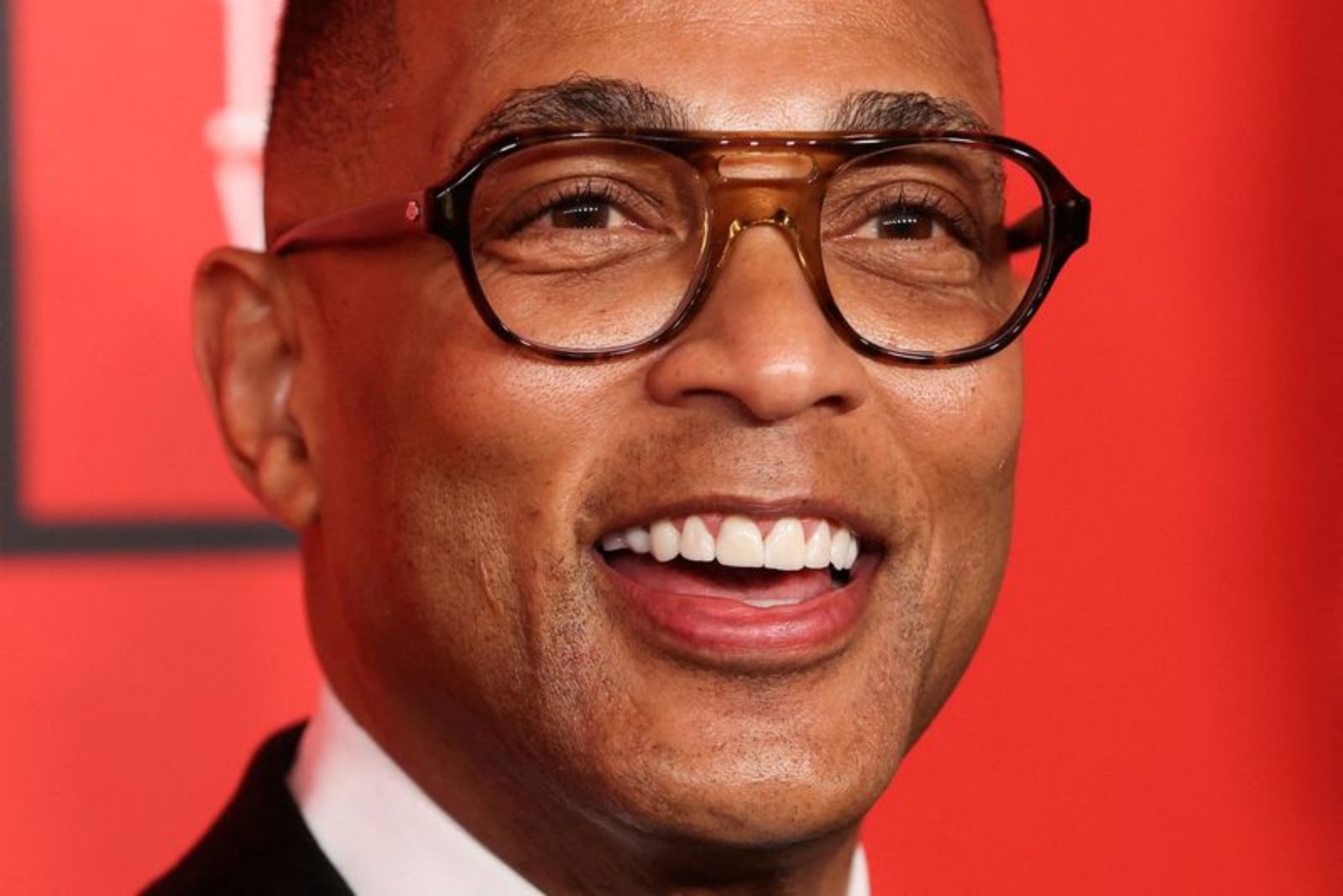
Don Lemon, an independent journalist and former national news anchor, was taken into custody in connection with a protest that interrupted a church service in St. Paul, Minnesota. Federal prosecutors have charged him under a pair of statutes that until now have been most commonly associated with demonstrations at reproductive health clinics.
The core federal charge invokes the Freedom of Access to Clinic Entrances Act - commonly known as the FACE Act - a 1994 law that criminalizes the use of force, threats or obstruction when done with the purpose of impeding someone seeking or providing reproductive health services or interfering with those exercising their religious freedom at places of worship. The statute carries both criminal penalties and provisions enabling the U.S. Justice Department to pursue civil actions and seek monetary penalties and court orders to halt unlawful conduct.
What the FACE Act prohibits
The FACE Act bars intentional obstruction, force or threats aimed at preventing individuals from obtaining or providing abortions and other reproductive health services, as well as actions that interfere with worshippers at houses of worship. First-time non-violent violations of the criminal provisions of the law can be punished by up to six months in prison and a fine of up to $10,000. Separately, the Justice Department has authority to bring civil lawsuits under the statute to obtain fines and injunctions.
The alleged conduct in St. Paul
According to the charges, Lemon livestreamed a demonstration earlier this month in which participants disrupted a church service in St. Paul while protesting what they described as President Donald Trump’s immigration enforcement in the region. Video and reporting show Lemon engaging with a parishioner during the event. Federal prosecutors allege he conspired to deprive others of their civil rights under an 1871 statute originally enacted to combat the Ku Klux Klan, and that he violated the FACE Act by obstructing access to a house of worship.
Federal agents also arrested three other individuals tied to the same church protest. Among those charged with FACE Act violations is independent journalist Georgia Fort, according to the charging documents.
Legal arguments and possible defenses
Lemon and his legal team have argued that he attended the demonstration in his role as a journalist. His lawyers have already invoked the First Amendment - the constitutional protection for freedom of the press - as part of his defense strategy. For prosecutors to prevail under the FACE Act, they must establish that a defendant acted with the specific intent to block access to a reproductive health facility or a place of worship and that the obstruction occurred through threats, physical obstruction or violence. That intent requirement provides a potential avenue for Lemon to argue that his presence and footage were aimed at documenting the protest rather than participating in an effort to deny others access to worship.
How often is the FACE Act used against worship disruptions?
Cases brought under the FACE Act involving the obstruction of religious worship are rare. Materials provided by the office of Republican Representative Chip Roy - who has sponsored legislation seeking to repeal the law - indicate that from 1994 through 2024 the Justice Department brought 211 cases alleging violations of the FACE Act. According to those figures, all but six of those actions targeted anti-abortion protesters and activists, and none involved houses of worship.
Critics of the statute contend that it has been enforced selectively, arguing administrations have primarily used it to shield abortion clinics and providers while not treating protests at pregnancy counseling or similar centers with the same approach. Those critiques are part of the broader debate about how and when the Justice Department should deploy the law.
Recent enforcement shifts
The Trump administration made changes to internal Justice Department guidance that curtailed prosecutions of anti-abortion activists under the FACE Act, directing that abortion-related actions would generally be pursued only in exceptional circumstances - such as incidents involving death or major property damage - and that routine matters should be handled by state and local prosecutors. Yet the department’s approach under the current administration has shown signs of applying the statute beyond clinic protests. In September, the Justice Department sued six individuals and two groups for their role in a 2024 demonstration at a New Jersey synagogue, alleging violations of the FACE Act; officials said at the time they believed that action was the first FACE Act case involving a house of worship.
Bottom line - The charges against Lemon illustrate how a law conceived to protect access to reproductive health services has been invoked in a church protest case, raising contested questions about intent, the role of the press at demonstrations and the evolving priorities of Justice Department enforcement.