
Politics January 30, 2026

Hochul Seeks to Block ICE Deputization of New York Local Police

Proposal would bar state resources for federal civil immigration enforcement and require warrants for entry into homes and schools

By Maya Rios
Hochul Seeks to Block ICE Deputization of New York Local Police

New York Governor Kathy Hochul introduced legislation to stop local law enforcement from being deputized by U.S. Immigration and Customs Enforcement and to prohibit the use of state-funded personnel and resources for federal civil immigration enforcement. The proposal, announced amid nationwide protests after two fatal shootings by federal agents in Minnesota, would also permit lawsuits against federal officers for constitutional violations and require judicial warrants for entry into sensitive locations.

Key Points

  • Governor Kathy Hochul introduced a bill to stop local law enforcement from being deputized by ICE and to prevent use of state-funded personnel for federal civil immigration enforcement.
  • The proposal would end agreements that allow ICE to task state and local officers with performing certain ICE functions and would require judicial warrants to enter sensitive locations like homes and schools.
  • Sectors potentially affected include law enforcement agencies and legal services, with implications for state-federal policing cooperation and litigation risk for federal officers.

New York Governor Kathy Hochul on Friday introduced a bill designed to prevent state and local law enforcement from being deputized by U.S. Immigration and Customs Enforcement, a move that would curtail a current arrangement under which ICE can assign certain functions to state and local officers under federal supervision.

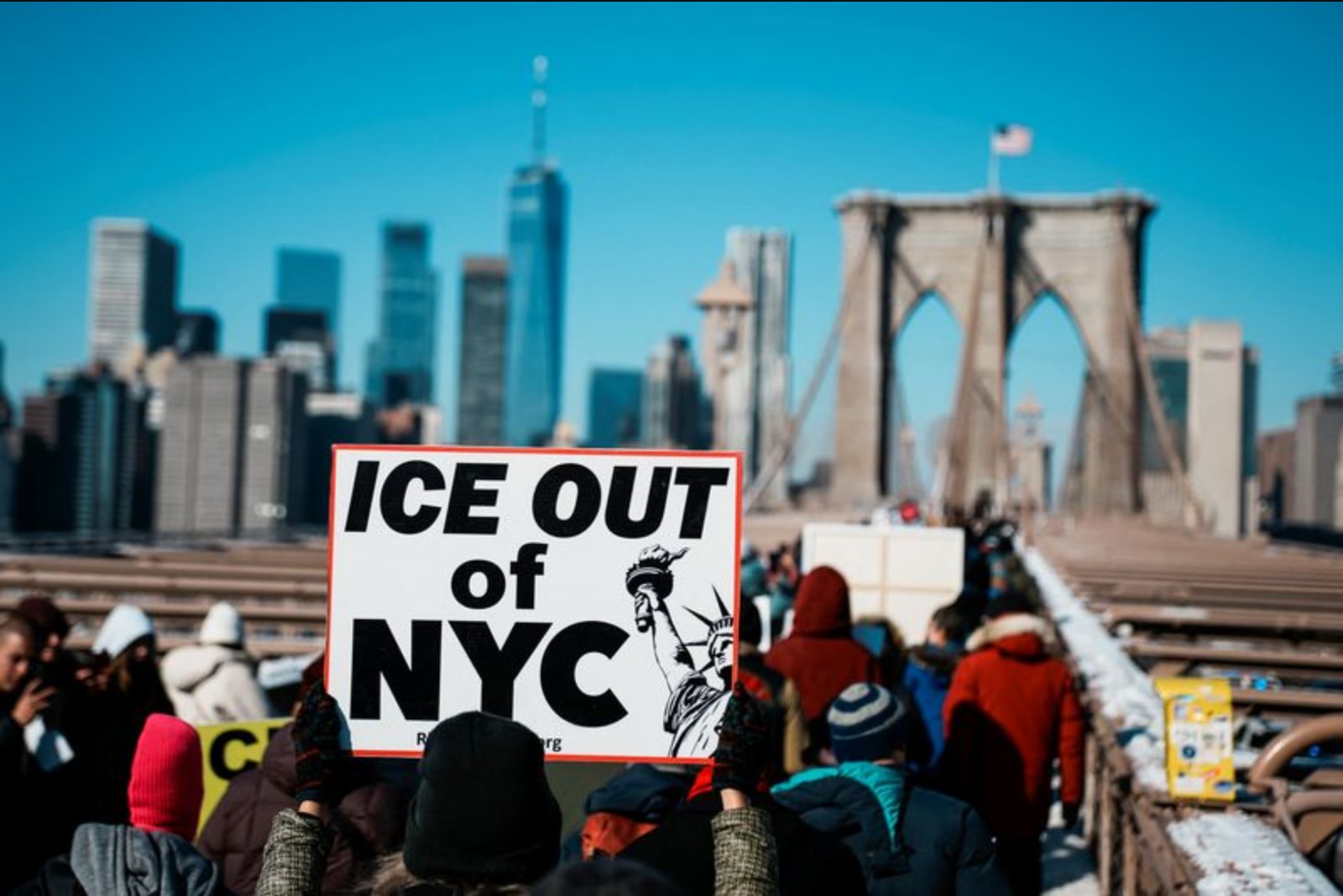
The proposal was revealed as the nation was witnessing protests following two fatal shootings of U.S. citizens by federal agents in Minnesota. Under the measure, state and local police would be barred from acting as federal agents and prohibited from using state taxpayer-funded resources or personnel to carry out federal civil immigration enforcement.

Key provisions in the draft statute would:

  • end the agreements that allow ICE to task state and local officers with performing particular ICE duties while remaining under ICE oversight;

The bill was introduced in a state where Democrats control the legislature, potentially smoothing its path through Albany. The U.S. Department of Homeland Security responded critically, arguing the change would reduce public safety in New York.

"When politicians bar local law enforcement from working with us, that is when we have to have a more visible presence so that we can find and apprehend the criminals let out of jails and back into communities," said DHS spokesperson Tricia McLaughlin.

According to the proposal's supporters, the measure would limit the role of state government resources in federal civil immigration actions and add legal protections for residents by imposing warrant requirements. The announcement comes after similar steps taken by other states in reaction to what the article describes as President Donald Trump’s aggressive immigration crackdown in major cities.

The bill outlines a set of legal and operational changes affecting the relationship between federal immigration authorities and state and local law enforcement, and it establishes new limits on where federal immigration officers may enter without judicial authorization.


As the legislation moves forward, its prospects will hinge on legislative action in a Democrat-controlled statehouse and on responses from federal agencies that say such restrictions could affect law enforcement coordination and public safety.

Risks

  • Federal criticism and operational pushback from the Department of Homeland Security, which stated the move would make New Yorkers less safe - this could strain state-federal coordination affecting public safety agencies.
  • Legal challenges and increased litigation risk due to the proposal's provision permitting lawsuits against federal officers for constitutional violations - this could affect legal and municipal budgets.
  • Uncertainty around implementation and enforcement if the law is enacted, which may complicate operational practices for local police and immigration authorities.

More from Politics

Federal Judge Refuses to Halt DHS Immigration Operation in Minneapolis-St. Paul Feb 2, 2026 Judge Orders Release of Detained Father and Five-Year-Old; Family Returned to Minnesota, Lawmaker Says Feb 1, 2026 Democrat Flips Texas State Senate Seat, Prompting GOP Alarm Ahead of 2026 Feb 1, 2026 Chicago Mayor Orders Police to Probe Allegations of Illegal Conduct by Federal Immigration Agents Jan 31, 2026 Minneapolis Confrontations Persist as Trump Rebukes Mayor Over Immigration Stance Jan 30, 2026