
Overview
Manufacturers and distributors in the U.S. vaping market have increasingly promoted "Made in America" messaging for disposable devices and related products, a development that industry analysts and business filings link to heightened enforcement of unlicensed vapes and to trade pressures. The change in marketing appears alongside a U.S. regulatory push targeting devices without authorization and a wider trade environment shaped by tariff measures.
Market context and scale
The United States represents the largest global market for vaping devices, and major tobacco companies have been attracted to its potential. One large tobacco company estimated the U.S. market was worth about $12 billion in 2024. Despite the American market size, most vape hardware is produced in China, and many devices reach U.S. shelves without formal regulatory clearance.
New labels emphasize U.S. ties
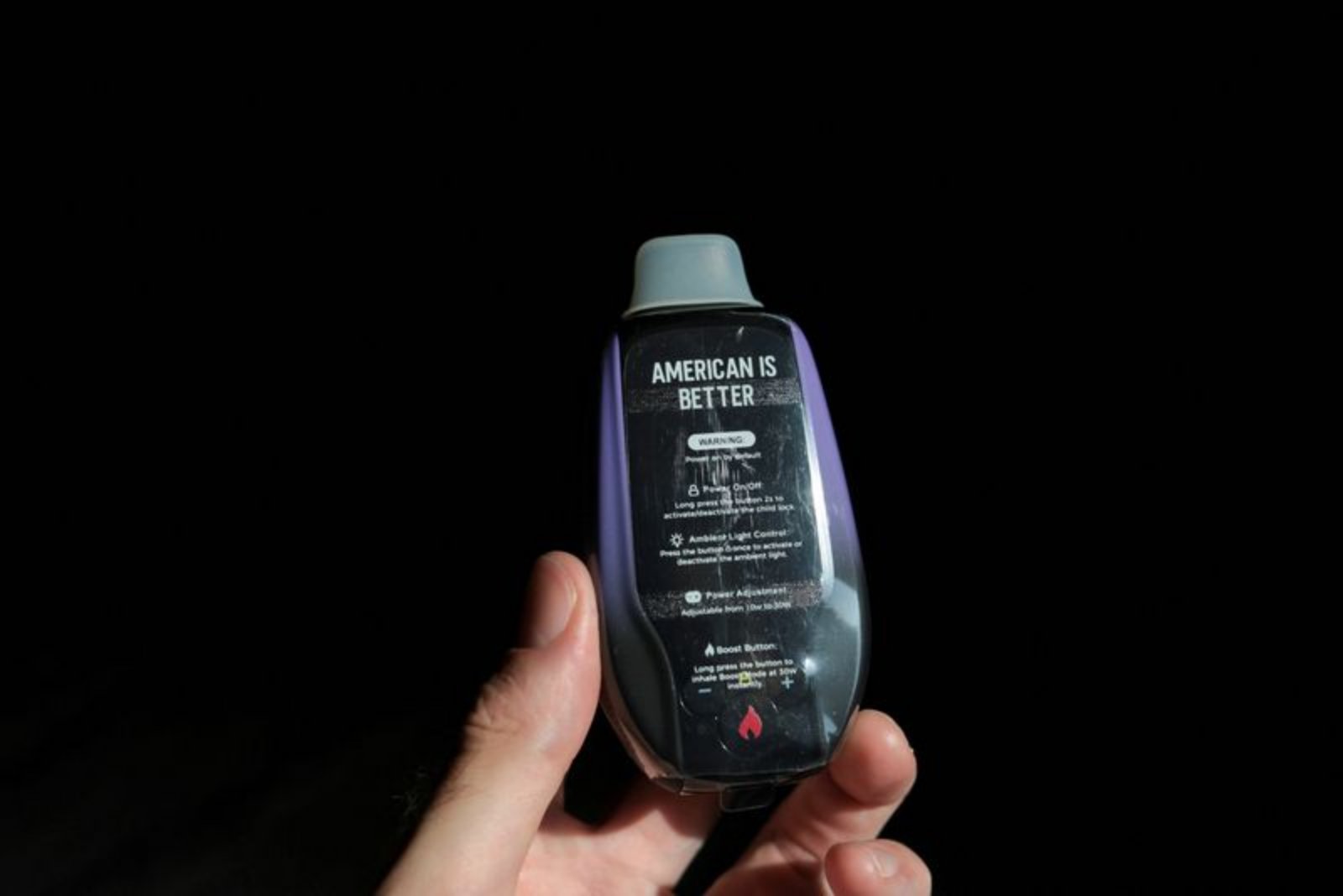
Since October of last year, at least eight new vape brands that highlight American credentials have appeared among unlicensed labels sold in the U.S., based on an analysis of market offerings and filings. Trademark records and business registrations indicate that several of these labels are operated by firms based in the United States, while at least two are owned by companies with links to China or Hong Kong.
Examples of the trend include a brand presenting a device with stars and stripes and a "built in the USA" stamp, under a label that promotes "Vape American." Trademark filings identify the "MAXUS" brand as registered in the U.S. to Rivermountain (H.K.) Tech, a Hong Kong-based company that also holds trademarks in China connected to parts of the product lineup of a Chinese vape manufacturer. Public records show the trademark links, though independent verification of manufacturing locations for specific devices was not possible from available information.
Another newly visible label uses an American-flag stamp and the phrase "made in USA" on its packaging; U.S. trademark records and local business filings link control of that label to a representative of a Shenzhen-based manufacturer. It could not be established whether this brand operates U.S.-based manufacturing facilities.
Why the shift may be happening
Analysts and industry participants point to two forces behind the shift: a tougher posture from U.S. authorities toward unlicensed vapes - particularly those associated with Chinese brands - and tariff pressures that have made importing finished products costlier. One analyst at Barclays suggested that companies may be betting their U.S.-oriented branding will make customs officials less likely to flag shipments tied to Chinese producers, potentially reducing the likelihood of seizures at the border.
That analyst warned that if illicit operators can preserve market presence by altering branding or U.S. appearances, the intended impact of enforcement efforts on the illegal vape market could be delayed. "(If) the illegal players have found another way to stay in the U.S. market... then this shift from illegal to legal will probably slow down," the analyst said.
Some manufacturers may also be experimenting with partial U.S. production - for example, importing chassis and filling devices domestically - or sourcing U.S.-made e-liquids to reduce tariff exposure. An adjunct assistant professor who follows the industry in Canada noted these potential supply-side adjustments, citing tariff-driven incentives to reduce costs associated with importing finished devices.
Company moves and supply chain signals
A small U.S. vape firm recently opened a domestic factory to fill one of its disposable product lines, explicitly citing supply-chain disruptions for imported finished devices and consumer appetite for products marketed as "Made in America." The company's filings also indicate that, despite domestic filling capacity, its disposable devices are manufactured by a Chinese partner.
Regulatory stance and industry impact
The U.S. regulator responsible for tobacco and vaping products reiterated that it is unlawful to sell unauthorized vapes regardless of where they are made. The regulator declined to comment on whether there has been a broader shift toward U.S.-based production among vape suppliers.
Industry and government officials have publicly highlighted concerns about unlicensed devices. One U.S. health official and a former U.S. state attorney general, speaking at a major vape seizure, accused China of benefiting from the sale of illegally exported devices described as dangerous. Meanwhile, an executive leading a major tobacco company characterized the marketing pivot toward American credentials as an attempt by some players "to get around" state and federal rules, adding that as enforcement tightens, companies are "getting more creative." The same tobacco executive noted that some of his company's products are also without authorization.
Estimates from a major tobacco firm place the share of unlicensed devices at roughly 70% of U.S. vape sales, underscoring the scale of the unregulated segment. By contrast, only 41 devices have received authorization for legal sale from the main regulator.
Implications for sectors
- Tobacco and nicotine product manufacturers - face competitive pressure and market-share shifts as unlicensed labels adapt their marketing and distribution.
- Retail and distribution - must navigate enforcement risk and differential sourcing options amid shifting tariffs and customs scrutiny.
- Manufacturing and supply chains - may see adjustments such as increased domestic filling operations or changes in component sourcing to manage tariff exposure and enforcement risk.