
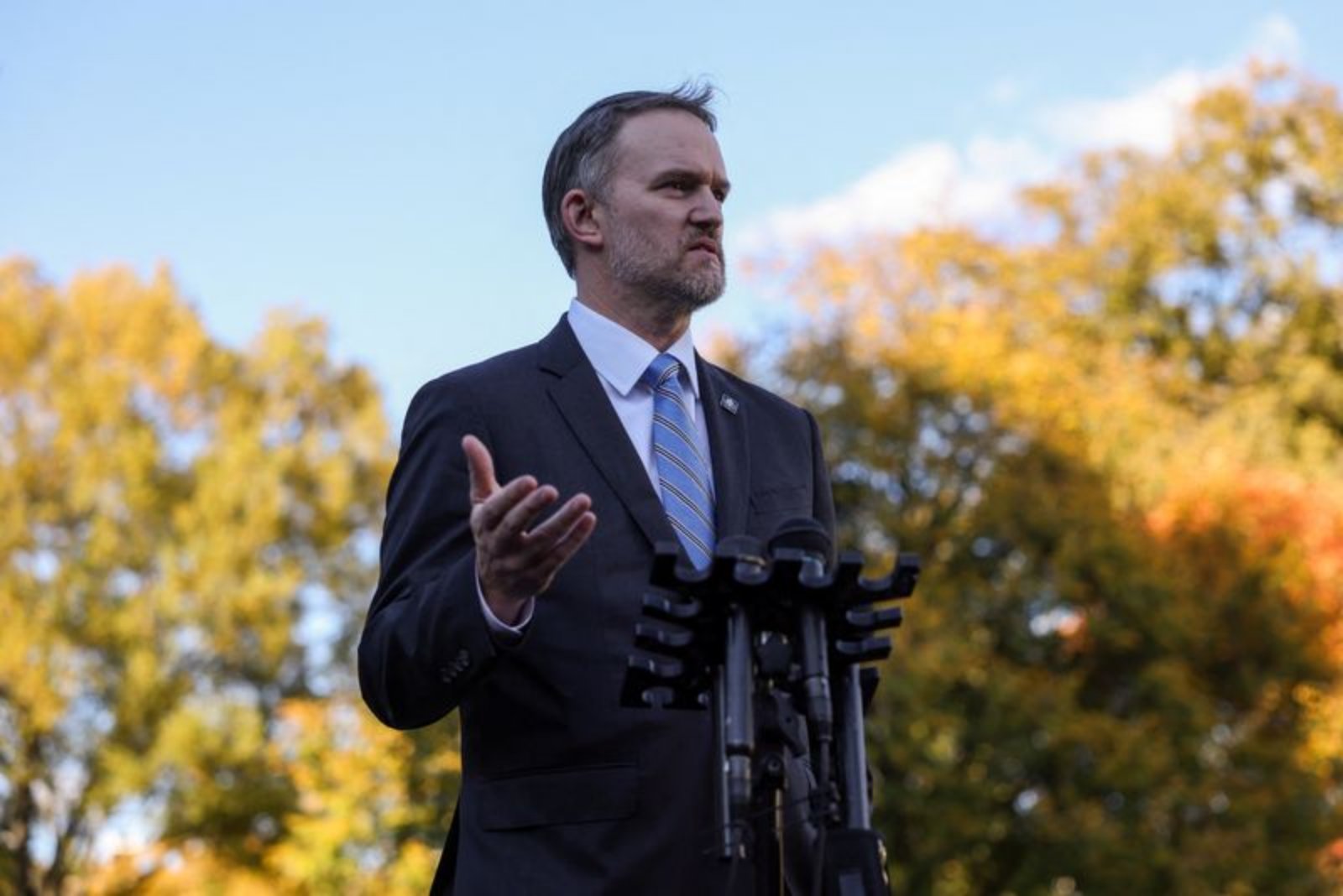
U.S. Trade Representative Jamieson Greer told a Hudson Institute event on Tuesday that the administration will try to address as many areas of concern within the U.S.-Mexico-Canada Agreement as possible before the July 1 review date, but that outstanding issues may carry over beyond that deadline.
Greer said the United States might have to take procedural steps to withdraw from the North American trade pact in order to continue negotiations. He reiterated President Donald Trump "has been clear that he is dissatisfied with a lot of the outcomes of USMCA," pointing specifically to a marked increase in auto imports from Mexico and to steel and aluminum shipments from both Mexico and Canada.
While noting there are valuable elements in the USMCA - the agreement President Trump approved in 2020 as a replacement for the 1994 North American Free Trade Agreement - Greer said differing trade realities between Mexico and Canada mean the United States will likely need to negotiate separate protocols for each partner.
Negotiations with Mexico are already underway, according to Greer, while talks with Canada are expected to commence in May. He outlined the administrative mechanics tied to the July 1 review: the three countries must either approve a renewal of the existing USMCA or indicate an intent to exit the pact. An exit process would take 10 years, a timeline that Greer said would provide more time to negotiate changes.
Acknowledging the time constraints, Greer said, "So I think that we aren’t probably going to resolve all issues by July 1," and added that the USTR will nevertheless strive to settle as many points as possible before the review date. He also noted a separate procedural step: he would need to notify Congress of U.S. intentions regarding the agreement by June 1.
These remarks frame the administration's approach as a pragmatic attempt to balance near-term deadlines with the need for further negotiation, while highlighting sectors most visibly affected by current trade flows.