
Economy April 1, 2026

U.S. military outlines operation to remove nearly 1,000 pounds of Iran's enriched uranium

Plan would airlift excavation equipment and build a runway to extract radioactive material; operation described as high-risk and would require large troop and equipment movements

By Leila Farooq
U.S. military outlines operation to remove nearly 1,000 pounds of Iran's enriched uranium

The U.S. military has presented President Trump with a detailed proposal to seize almost 1,000 pounds of highly enriched uranium from Iran. The plan, described by two people familiar with the matter, calls for flying in excavation equipment, constructing a runway for cargo aircraft, and airlifting substantial personnel and heavy gear. Officials briefed the president at his request and emphasized significant operational risks; Iran has rejected a related 15-point U.S. proposal that included a demand to surrender the material.

Key Points

  • The U.S. military presented a plan to President Trump to seize nearly 1,000 pounds of highly enriched uranium from Iran; the plan was described by two people familiar with the matter.
  • The operation would require flying in excavation equipment, constructing a runway for cargo planes, and airlifting hundreds or potentially thousands of troops and heavy equipment; former defense officials estimated the mission could take weeks and occur under fire deep inside Iran.
  • The administration also offered Iran a 15-point proposal that included a demand the country hand over its highly enriched uranium; Iran has rejected that proposal. Sectors potentially affected include defense contractors, air logistics and cargo operators, and markets sensitive to geopolitical risk.

The U.S. military has developed and presented to President Trump a plan to seize nearly 1,000 pounds of highly enriched uranium located in Iran, according to two people familiar with the matter.

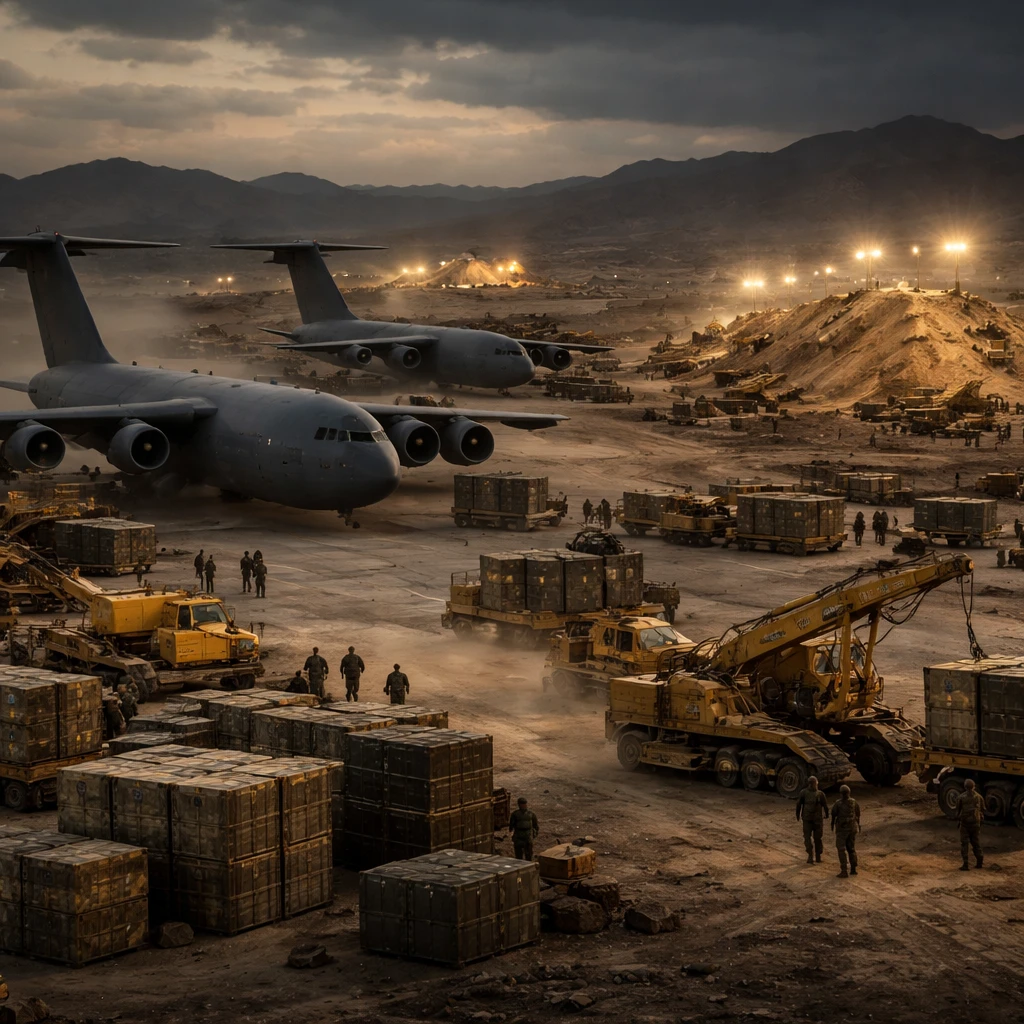
The proposal outlines a complex operation that would involve transporting excavation equipment by air and building a runway capable of accommodating cargo planes to carry the radioactive material out of the country. The plan was prepared and briefed to the president in the past week after he requested such options, with the briefing including an outline of significant operational risks.

Execution of the mission, as described in the briefing, would require a large-scale airlift of troops and heavy equipment. The operation could involve hundreds or potentially thousands of service members to support excavation and recovery efforts on the ground. Former defense officials cited in the briefing estimated the effort could unfold over a period of weeks and would take place deep inside Iranian territory under conditions that could include being fired upon.

Separately, administration officials presented Iran with a 15-point proposal intended to end the conflict, one element of which demanded that Tehran relinquish its supply of highly enriched uranium. President Trump has referred to that material as "nuclear dust." Iranian authorities have rejected the U.S. proposal.

The officials who briefed the president emphasized that the plan carries significant hazards and operational challenges. The mission would require not only substantial airlift capacity for equipment and personnel but also secure extraction and transport arrangements for radioactive material once recovered. The briefing materials reportedly detailed the scope of those risks to decision makers.

At this stage, the plan exists as an option presented to the president rather than an authorized mission. The briefing and the related 15-point diplomatic proposal reflect parallel military and diplomatic efforts aimed at addressing the issue of Iran's highly enriched uranium, but Iran's rejection of the proposal is part of the context in which the military option was developed.

Risks

  • Significant operational risks associated with mounting an excavation and recovery mission inside Iran, including the prospect of occurring under fire - impacts defense and military logistics sectors.
  • The mission would require extensive airlift capacity and heavy equipment, presenting logistical and safety challenges for air cargo and transport providers.
  • Iran's rejection of the administration's 15-point proposal raises diplomatic uncertainty and could complicate the feasibility and timeline of any military option, with potential effects on market sentiment tied to geopolitical stability.

More from Economy

China's energy profile cushions it from current oil shock, Goldman Sachs says Apr 4, 2026 Administration Seeks Court Reversal to Restart White House Ballroom Work, Citing Security Concerns Apr 4, 2026 Administration Seeks Urgent Reversal of Court Order Halting White House Ballroom Work Apr 4, 2026 Iran Conflict Is Rippling Across the Energy Complex, Not Just Oil Markets Apr 4, 2026 UBS Says Wait for Wider Spreads Before Buying the Bond Dip Apr 4, 2026