
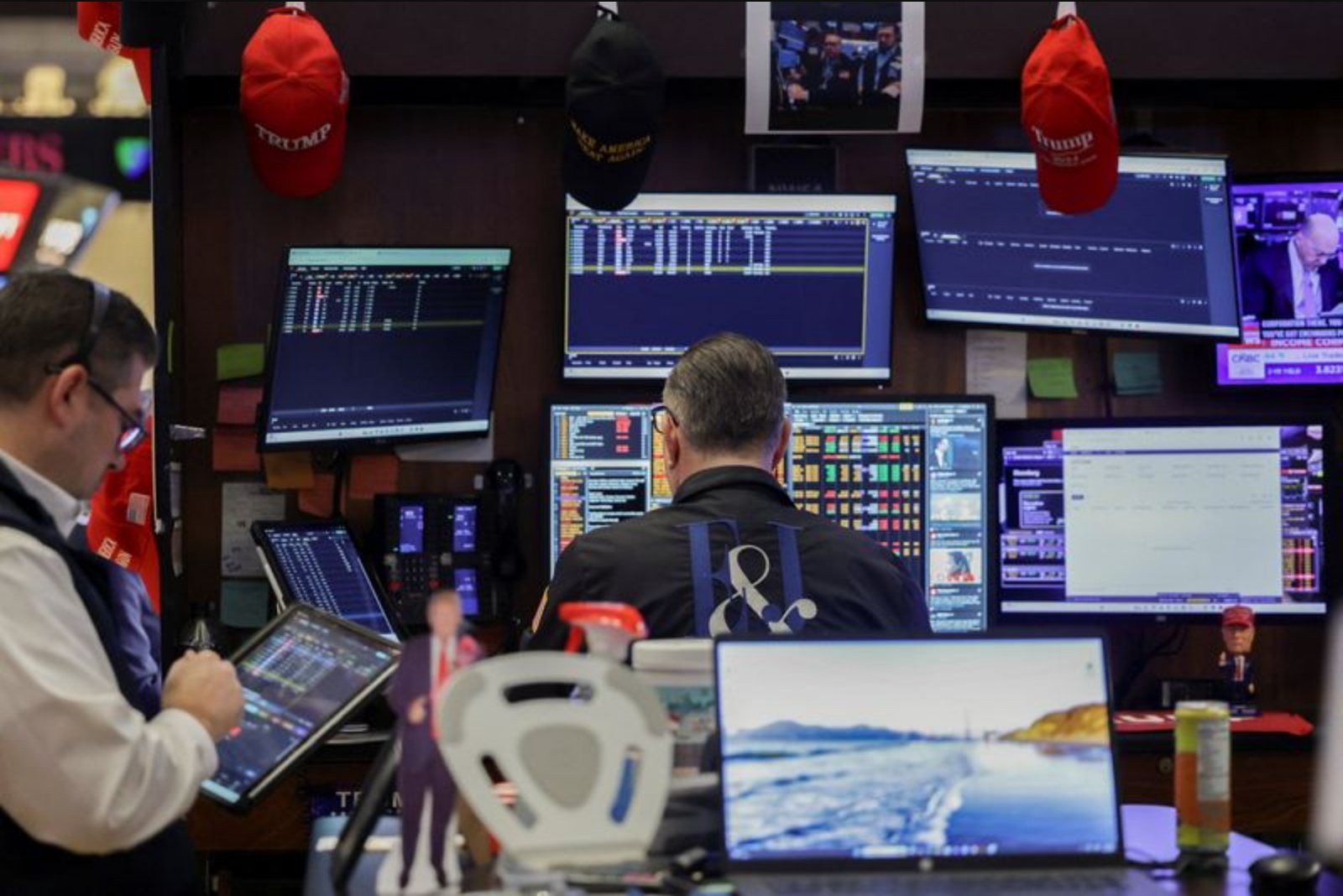
U.S. stock index futures fell modestly on Tuesday as investors assessed signals that the conflict in the Middle East could intensify, with developments tied to Iran and its oil-export infrastructure drawing particular attention.
Reports said Iran's Kharg Island, a central node for the country's oil exports, had been hit by several strikes. Separately, Iran's Revolutionary Guards issued warnings to neighboring countries about strikes on infrastructure belonging to the United States and its allies, saying such attacks could disrupt energy supplies for years.
Those comments arrived as a presidential deadline to reopen the Strait of Hormuz approached - a demand Tehran had refused. A senior Iranian source said that talks about a durable peace could begin only after the strikes ended.
Market participants described two divergent paths. Dan Coatsworth, head of markets at AJ Bell, said either a mutual de-escalation by Washington or Tehran could spark a major rally in equities and bring relief to energy prices, or alternatively a significant escalation could have broad implications for financial markets.
Global markets have been strained by the conflict, which has now entered its second month. Investors have been balancing sporadic remarks that point toward escalation against reports of discussions aimed at ending the fighting.
At 7:17 a.m. ET, Dow E-minis were down 156 points, or 0.33%, S&P 500 E-minis were down 22.25 points, or 0.33% and Nasdaq 100 E-minis were down 114.5 points, or 0.47%.
In U.S. policy news, the administration said on Monday it would raise payments to private insurers that offer Medicare Advantage plans to older adults by an average of 2.48% for 2027, an upward revision from a near-flat change that had been proposed earlier. The adjustment prompted sharp premarket gains in major health insurers: UnitedHealth rose 6%, Humana climbed 9.6% and CVS Health added 7%.
Wall Street’s principal indexes had finished higher on Monday, marking a fourth straight session of gains for the S&P 500 and the Nasdaq as investors digested the Middle East news and prepared for the upcoming quarterly earnings season.
Still, the S&P 500 remains more than 4% below its level before the conflict began, a setback that came after the index had been recovering from an earlier selloff. That earlier pullback had been driven in part by concerns affecting private credit and software firms amid worries over AI-driven disruption. On Monday, UBS Global Wealth Management lowered its S&P 500 end-2026 target to 7,500 from 7,700.
Market watchers said this week's economic and policy calendars will be scrutinized for signs that higher crude oil prices stemming from the conflict are feeding into inflation readings. The Iran war has added complexity to the Federal Reserve's outlook, as policymakers weigh renewed inflation risks even as the labor market remains resilient.
Comments from Federal Reserve officials Austan Goolsbee, Philip Jefferson and Mary Daly were expected to be parsed through the day for clues about the future course of policy.
In sector moves beyond insurers, Broadcom shares rose 3.4% in premarket trade after the chipmaker signed a long-term deal with Alphabet's Google to develop its AI chips and other components.
The market backdrop therefore combines geopolitical risk that could influence energy markets and inflation, domestic policy developments that move specific sectors such as healthcare, and corporate deal news that shifts individual stocks. Investors are positioned between competing narratives of escalation and negotiation, and each new data point or comment continues to steer market sentiment.