
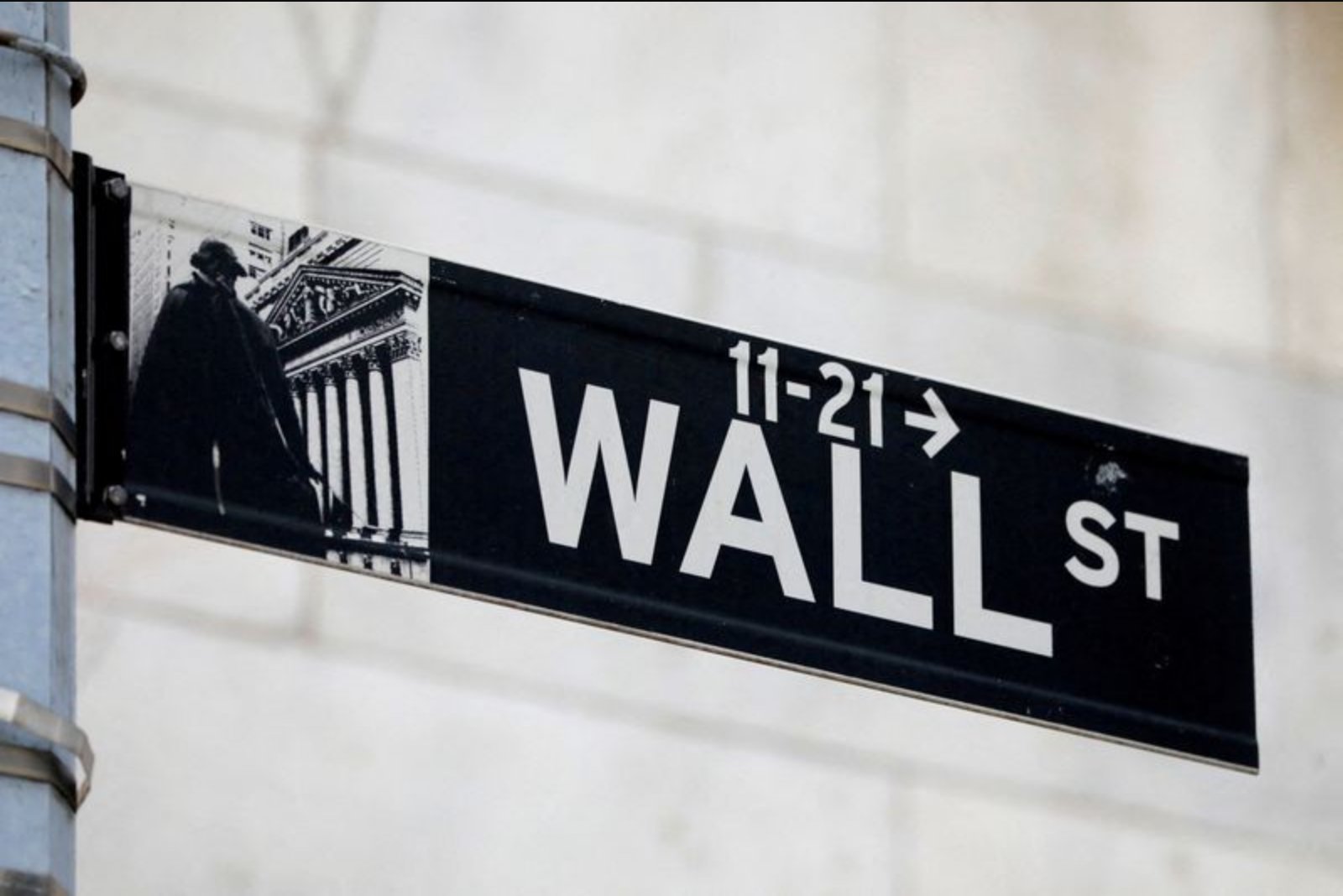
U.S. stock futures fell modestly on Thursday after major indexes posted strong gains in the prior session, as indications that the recently announced Middle East ceasefire may be unstable weighed on sentiment. Officials signaled continued military engagement in the region and warned of further escalation if key conditions are not met.
U.S. President Donald Trump said he would maintain military assets in the Middle East until a peace agreement with Iran is secured, and cautioned that failure to comply could lead to a major escalation. Those comments came a day after reports that fighting persisted despite a ceasefire that took effect on Tuesday.
Uncertainty over energy shipments through the Strait of Hormuz pushed oil prices higher in reaction to the renewed tensions, although crude remained under the $100-per-barrel threshold. U.S. energy sector stocks edged slightly higher in premarket trading as investors priced in elevated geopolitical risk to supply routes.
On Wednesday, the S&P 500 and the Nasdaq each notched their largest single-day advances in more than a week, while the Dow recorded its biggest one-day percentage gain in a year. Analysts at BCA Research cautioned that while markets may believe the worst of the crisis is over, it could be premature to take on more risk in size. "While the crisis’ peak is likely behind us, and markets appear to think that is the case, it may still be too early to aggressively extend risk," they said. "With volatile headlines and rhetoric shifting... Hormuz flows will determine whether any truce is truly working. Risk assets could still rally even if kinetic attacks continue, provided Hormuz shows credible signs of reopening."
At 04:55 a.m. ET, futures trading showed Dow E-minis down 187 points, or 0.39%, S&P 500 E-minis down 27.25 points, or 0.40%, and Nasdaq 100 E-minis down 95.25 points, or 0.38%.
Investors are preparing for key U.S. inflation data later in the day - the personal consumption expenditures (PCE) index for February, the Federal Reserve’s preferred measure of inflation. Economists surveyed expect the PCE index to hold at 2.8%, unchanged from January.
Beyond the PCE reading, market participants are eyeing Friday’s consumer price index for March to assess how higher oil prices linked to the conflict are filtering through the economy. A final estimate of fourth-quarter economic growth will also draw attention as traders position for potential policy implications.
Money market pricing has shifted sharply. Participants now assign only about a 30% probability to a 25 basis-point rate cut by the end of 2026, down from roughly 56% a day earlier, according to LSEG-compiled data. Prior to the conflict, the market had expected two rate cuts this year, while during the disruption bets for a rate increase in December grew.
Minutes from the central bank’s March meeting showed a growing contingent of policymakers felt last month that additional rate hikes might be required to rein in inflation that remained above the central bank’s 2% objective, particularly as the conflict exerted upward pressure on prices.
Among notable premarket movers, Applied Digital fell 6.7% after the data center operator reported a widened net loss in its third quarter compared with the prior year.
Market context:
- Geopolitical tensions are influencing energy flows and commodity prices, affecting energy and industrial sectors.
- Key inflation releases this week will be central to interest-rate expectations and financial market positioning.