
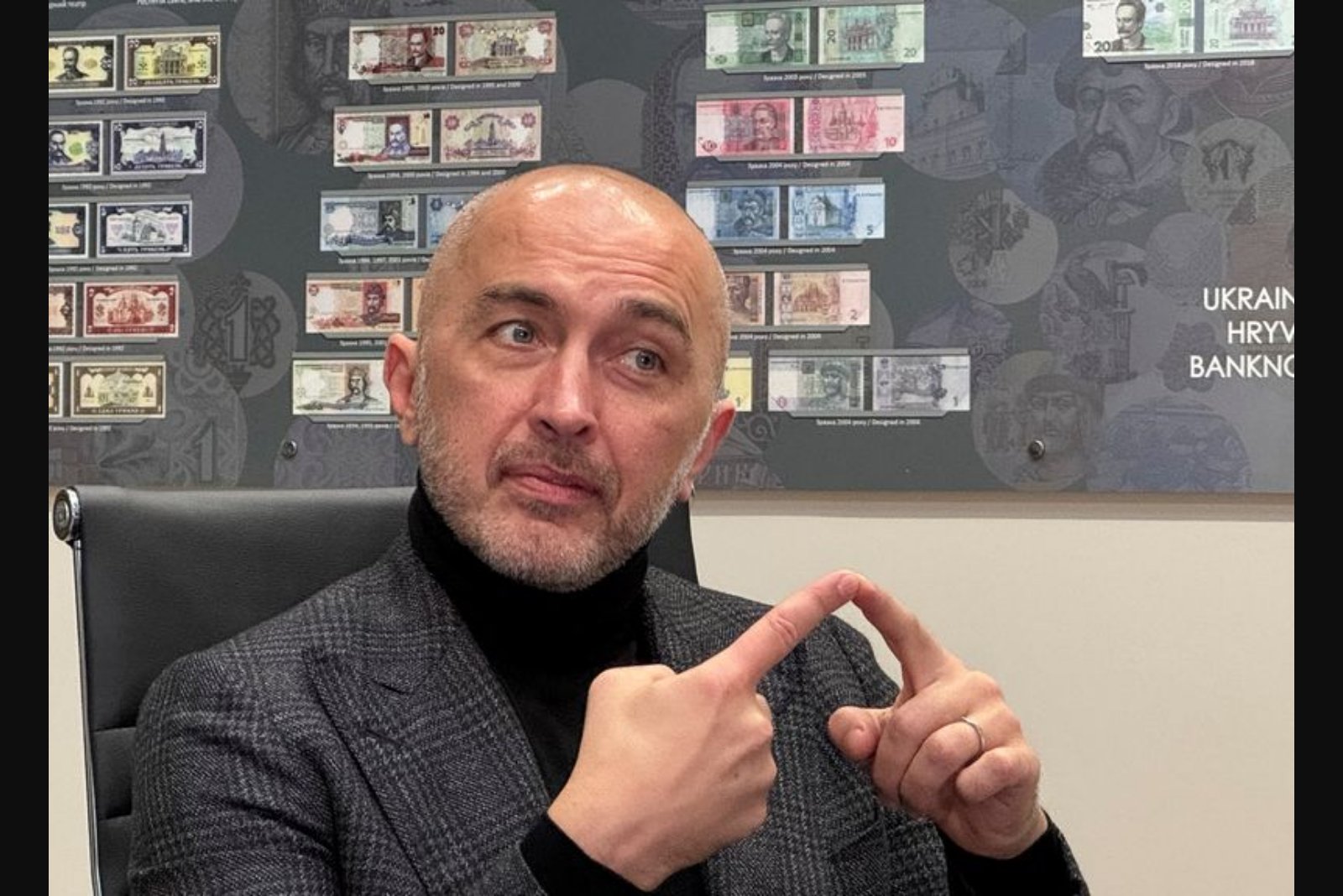
Ukraine's central bank reduced its key interest rate to 15% from 15.5% on Thursday, saying lower inflation and greater clarity around external financing this year supported the decision.
Consumer price inflation eased to 8% year-on-year in December, and the central bank indicated it expects inflation to continue to fall in January. Governor Andriy Pyshnyi said the institution had decided to commence a cycle of interest rate easing, citing a sustained decline in inflationary pressures and diminished risks related to external financing.
The central bank also noted that the policy rate was held steady through much of 2025. Pyshnyi told an online media briefing that the reduction in the key rate is intended to help the economy adapt to wartime challenges - specifically by supporting lending, which has expanded at a rate of more than 30% year-on-year in recent years.
At the same time, the bank's public statement warned that inflation expectations remain elevated, linked to destruction in the energy sector after intensified bombardments of Ukraine's power infrastructure. The institution projects inflation will end the year only marginally lower, at roughly 7.5%.
Outlook for growth and the balance of payments
Central bank officials said they expect economic growth to continue in 2026 but at a restrained rate because of the energy deficit. The bank forecasts gross domestic product will rise by 1.8% this year, matching last year's pace. Pyshnyi emphasized that the difficult situation in the energy sector will continue to weigh on business activity for an extended period.
Officials also highlighted that higher imports of energy equipment and fuel are driving demand for hard currency, a dynamic that influences the foreign exchange market.
The central bank reiterated its commitment to maintaining stability in the foreign exchange market. Reserves stood at a record $57.3 billion and the bank expects them to grow to $65 billion by the end of this year.
International financing remains a significant element in the outlook. The European Union plans to provide Ukraine with 90 billion euros of support over this year and next, and Ukraine is in discussions with the International Monetary Fund on a potential new $8.1 billion lending program.
Implications for markets and policy
The decision to lower the key rate signals a shift toward monetary accommodation, intended to support credit activity amid wartime constraints. At the same time, the central bank's forward guidance and reserve targets reflect an effort to anchor the foreign exchange market while managing the effects of energy-sector damage on inflation expectations and economic activity.