
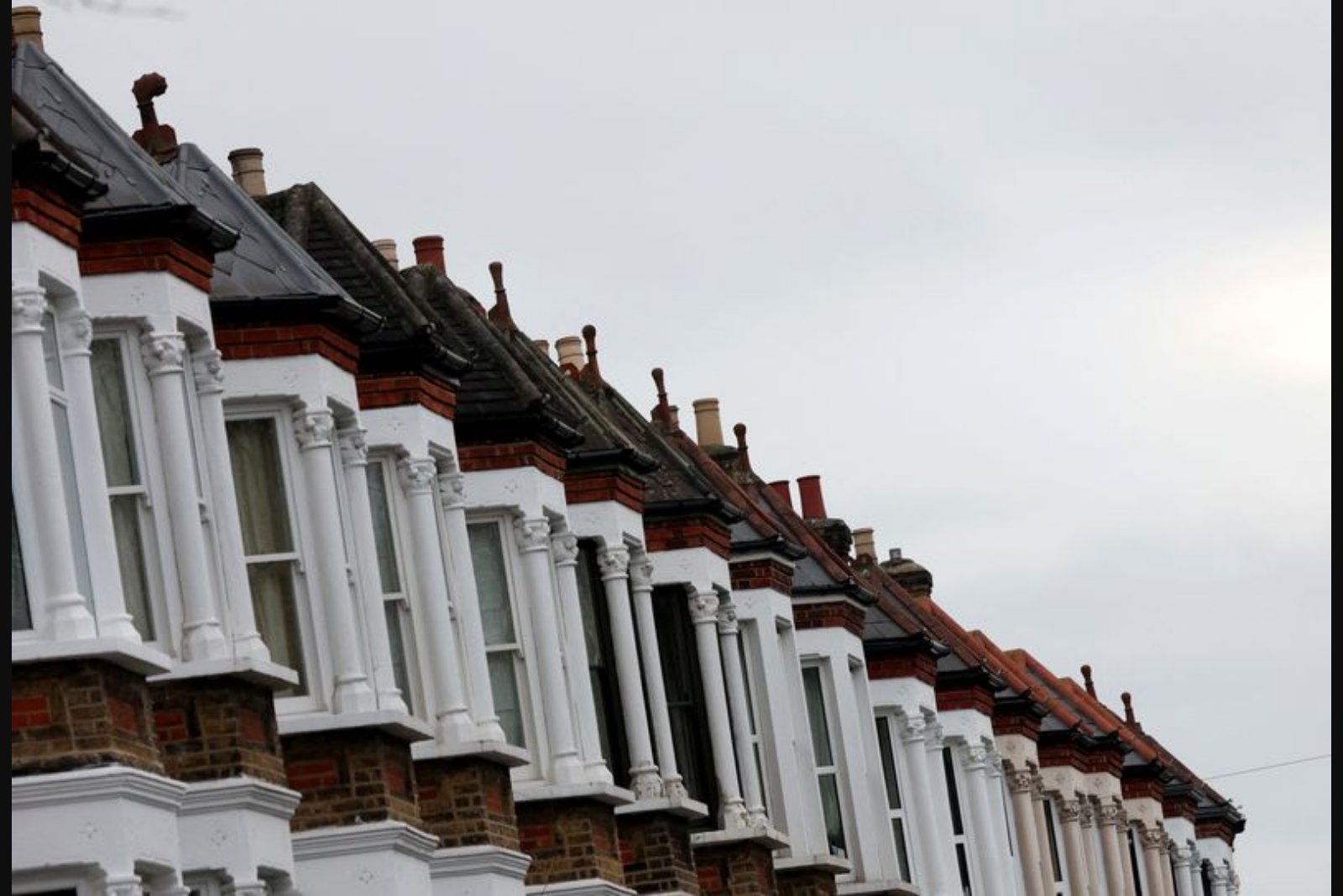
British house prices weakened in March, falling by 0.5% month-on-month, Halifax said on Wednesday, reversing a modest 0.3% increase recorded in February. The drop was larger than economists had forecast, with a Reuters poll having pointed to a 0.1% rise for the month.
Halifax highlighted the impact of geopolitical uncertainty on buyer demand. The lender said its house price index was 0.8% higher compared with March 2025, short of expectations for a 1.5% annual increase.
Market reaction and contrasting measures
The Halifax reading contrasted with that of a rival mortgage lender. Nationwide recorded a sharp increase in house prices in March, underscoring divergence between different industry measures of the housing market.
Halifax explanation
Halifax attributed the slowdown to the broader economic unease prompted by the conflict in the Middle East. In its statement, Amanda Bryden, head of mortgages at Halifax, said: "The recent slowdown in the housing market reflects the wide uncertainty regarding the conflict in the Middle East. Concerns about higher energy prices have pushed up inflation expectations, which in turn led to a rise in mortgage rates, reducing confidence that interest rates will be cut this year and dampening the initial momentum in the market seen at the start of the year."
Implications for buyers and the market
Halifax's data points to a cooling in buyer activity following earlier signs of momentum. The lender's annual comparison - up 0.8% year-on-year versus an anticipated 1.5% - indicates weaker underlying growth than some forecasts suggested.
Outlook
The Halifax report highlights how external factors, notably geopolitical tensions and energy price developments, can quickly reverberate through inflation expectations and mortgage pricing, influencing consumer confidence and housing demand. The divergent readings from major lenders suggest that measures of the market can vary and that the overall picture may depend on the index used.