
Economy March 23, 2026

Trump Urges GOP to Work Through Easter to Advance Voter ID Measure

President links voter identification bill to Homeland Security funding as part of push in Memphis roundtable

By Priya Menon
Trump Urges GOP to Work Through Easter to Advance Voter ID Measure

President Donald Trump called on Republican senators to remain in Washington over the Easter recess to advance a voter identification bill he said should be part of any Homeland Security funding deal. The department has been partly unfunded since Feb. 13, leaving thousands of TSA employees unpaid for weeks. The proposed legislation would require proof of U.S. citizenship to register and a photo ID to cast ballots, but it currently lacks the 60 votes needed to overcome Democratic opposition in the 100-member Senate where Republicans hold 53 seats.

Key Points

  • President Trump urged Republican senators to stay in Washington over Easter to advance a voter identification bill tied to Homeland Security funding - impacts federal appropriations and legislative calendar.
  • The Department of Homeland Security has been partly without funding since Feb. 13, resulting in thousands of TSA employees working without pay for five weeks - affects transportation and airport operations.
  • The voter ID bill would require proof of U.S. citizenship to register and a photo ID to vote; it currently lacks the 60 votes needed to overcome Democratic opposition in the 100-member Senate where Republicans hold 53 seats - affects election policy and legislative dynamics.

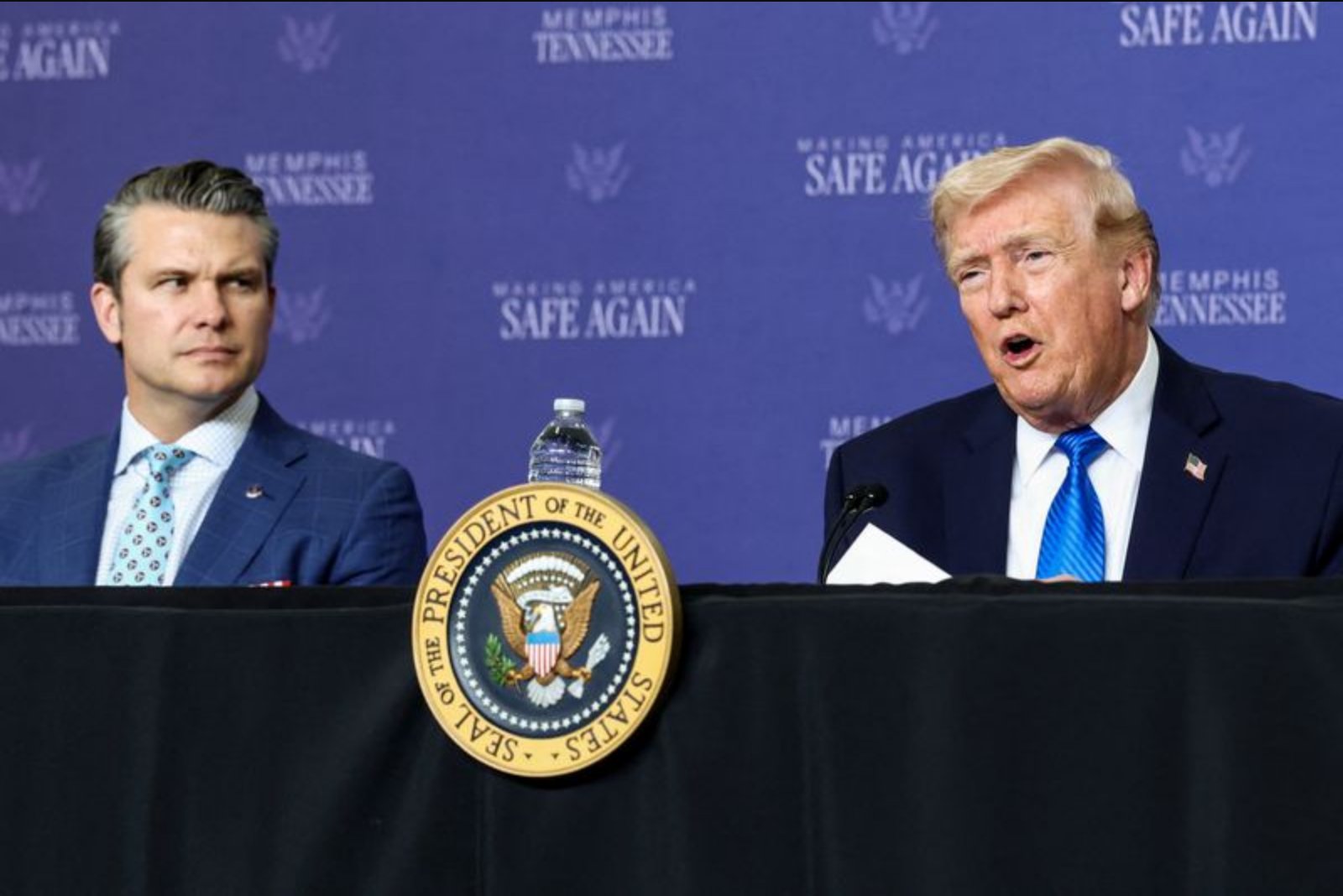
President Donald Trump used a roundtable event in Memphis, Tennessee to press Republican senators to forgo the upcoming Easter recess and prioritize passage of a voter identification bill he described as a condition of any deal to fund the Department of Homeland Security.

At the meeting, the president said party senators should remain in Washington and move on the measure immediately. "I’m requesting that the Republican senators do that immediately. You don’t have to take a fast vote. Don’t worry about Easter, going home. In fact, make this one for Jesus," he told attendees.

The administration has tied the voting bill to legislation to reopen funding for Homeland Security, a department that has been partially shut down since Feb. 13 after Democrats demanded changes to immigration enforcement as part of negotiations. The partial lapse in appropriations has left tens of thousands of Transportation Security Administration personnel working without pay for five weeks, and officials say some airport security employees have reported in sick or have left their posts.

The voting proposal under discussion would require people to provide proof of U.S. citizenship in order to register to vote and to present a photo identification when casting ballots. That legislation faces firm opposition from Democrats and, as currently constituted, does not have the 60 votes required in the 100-member Senate to overcome a filibuster. Republicans hold 53 seats in the chamber.

Lawmakers are scheduled to begin a two-week Easter recess at the end of this week, a calendar break the president urged Republicans to postpone or curtail as part of his push to secure votes. The request places the dispute over funding for a core national security agency alongside a contentious election-related policy debate, with both measures currently unresolved in the Senate.

The outcome of negotiations will determine whether Homeland Security receives the appropriations needed to resume normal operations and whether the voter identification measure reaches the floor in a form capable of clearing procedural hurdles in the Senate.

Risks

  • Prolonged funding impasse for Homeland Security could continue to strain airport security staffing and operational readiness, affecting the transportation sector.
  • The voter identification bill may fail to secure the 60 votes required in the Senate, leaving the measure stalled and prolonging political uncertainty around election policy and related negotiations.
  • A decision to work through or cut short the planned two-week Easter recess could complicate legislative scheduling and intra-party consensus, increasing political risk for passage of tied funding and policy measures.

More from Economy

Iran Conditions Hormuz Reopening on Compensation, Signals Wider Disruption Risk Apr 5, 2026 Why Japan Equities Deserve a Place in Long-Term Portfolios Apr 5, 2026 Europe’s Quantum Moment: From Lab Leadership to Industrial Scale? Apr 5, 2026 AI-Driven Memory Demand Forces Strategic Shift at Samsung and SK Hynix Apr 5, 2026 Markets Pin Eyes on Inflation as Middle East Conflict Keeps Investors on Edge Apr 5, 2026