
Jan 27 - President Donald Trump has issued an executive order designed to hasten reconstruction of residences and businesses destroyed during last January's wildfires in California, the White House announced on Tuesday. The directive drew a swift rebuttal from California Governor Gavin Newsom, who said the state requires federal funding rather than oversight of local permitting processes.
In the text of the order, the president accused state and local governments of slowing recovery by "approving only a fraction of the permits needed to rebuild." It directs officials in the Trump administration to develop regulations that would "preempt state or local permitting processes" when those procedures are found to have hindered the "timely use of Federal emergency-relief funds," according to the White House statement.
Governor Newsom countered that federal disaster assistance is being withheld from California and that the immediate need is for funding to enable reconstruction. In a social media statement, Newsom said: "The Feds need to release funding not take over local permit approval speed - the main obstacle is COMMUNITIES NOT HAVING THE MONEY TO REBUILD."
The exchange between the president and the governor continued a pattern of public disagreement on a range of issues. Newsom and Trump have frequently clashed on matters including climate change, pipeline projects and the president's earlier deployment of National Guard troops to the state.
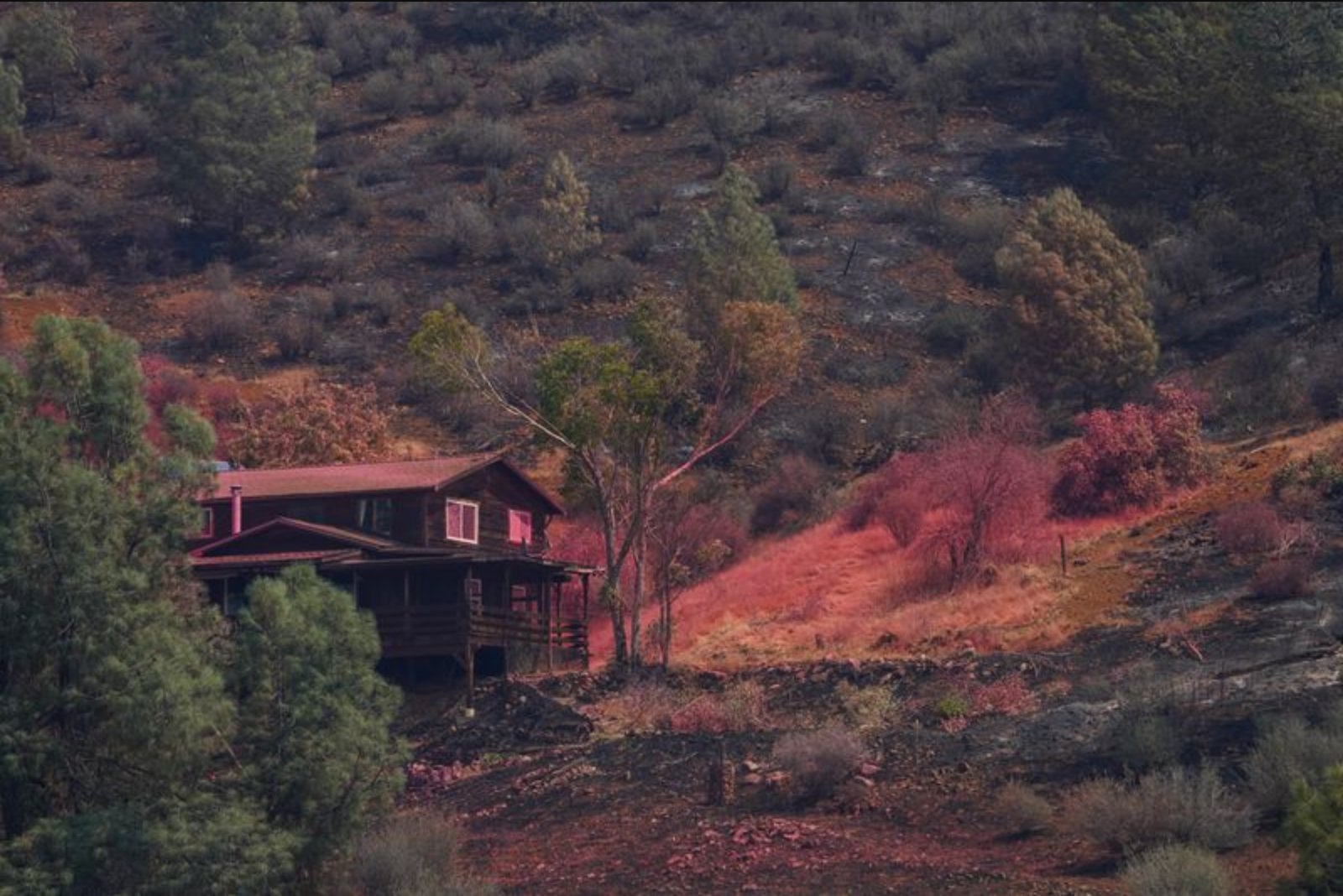
The order references the Palisades Fire, identified as one of the most destructive wildfires in Los Angeles history, which swept through the affluent coastal foothill neighborhood of Pacific Palisades last January. That blaze coincided with another large wind-driven fire known as the Eaton Fire. Together, the blazes resulted in the deaths of more than 30 people and destroyed tens of thousands of homes, the White House statement said.
Signed on Friday, the executive order also instructs Homeland Security Secretary Kristi Noem and the administrator of the Small Business Administration to prepare legislative proposals within 90 days. Those proposals are to be submitted if states or local governments are determined to fall short in enabling timely recovery after disasters.
The administration characterized the move as a way to remove impediments to using federal relief swiftly, while California's governor framed the issue as one of cash flow and federal aid distribution. At stake are processes that affect how quickly communities can begin rebuilding and how federal funds are deployed in the aftermath of catastrophic fires.